1200 Calorie Meal Plan: 7-Day Guide with Recipes & Safety Tips
By Daily Nutrition Tracker Editorial Team · Reviewed by nutrition professionals
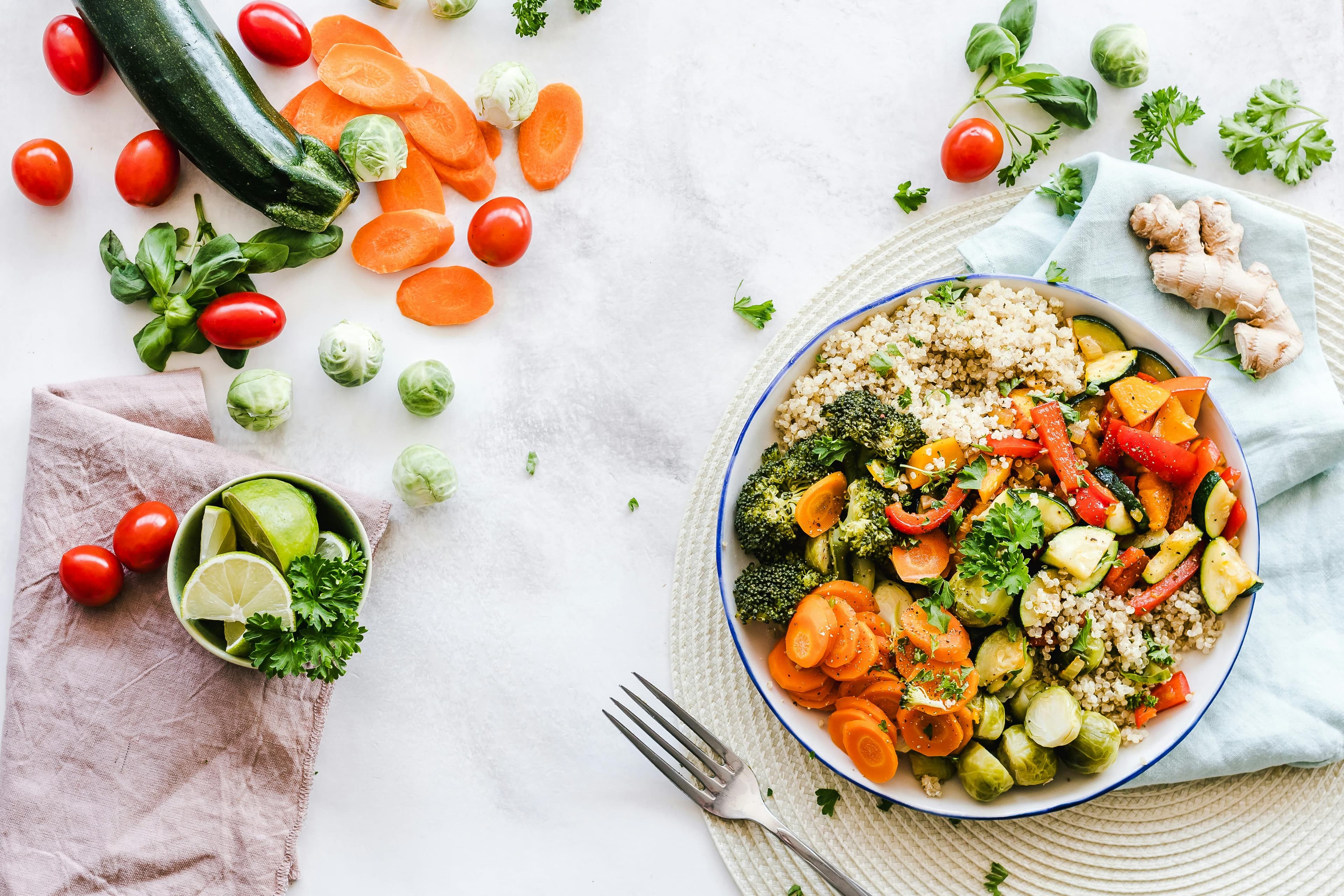
A **1200 calorie meal plan** is one of the most searched diet plans online, but it's also one of the most misunderstood. While 1200 calories can be appropriate for some people (typically sedentary women under 5'4"), it's too restrictive for many others and can slow metabolism if followed incorrectly. This comprehensive guide provides a complete 7-day 1200 calorie meal plan with recipes, portion sizes, and nutritional information. You'll also learn who should (and shouldn't) follow 1200 calories, how to meet your nutritional needs, and safety tips to avoid common pitfalls like muscle loss and metabolic slowdown.
Key Takeaways
- ✓1200 calories is the minimum safe intake for women — men should not go below 1500 calories
- ✓This calorie level is typically appropriate for sedentary women 5'0"-5'4" or those over 50
- ✓Focus on high-protein (90-100g daily), high-fiber foods to stay full on fewer calories
- ✓Include 3 meals (300-400 cal each) plus 1-2 snacks (100-150 cal) for balanced energy
- ✓Never follow 1200 calories without consulting a doctor if you exercise regularly, are pregnant/nursing, or have medical conditions
Is 1200 Calories Right for You?
Before starting any meal plan, it's crucial to determine if 1200 calories is appropriate for your individual needs. 1200 calories is the minimum recommended for women — going lower can cause serious health issues.
Who Should Follow a 1200 Calorie Meal Plan?
1200 calories may be appropriate for:
- Sedentary women 5'0"-5'4" tall (little to no exercise)
- Women over 50 with slower metabolism
- Petite women with naturally lower calorie needs
- Short-term weight loss under medical supervision (2-4 weeks max)
Who Should NOT Follow 1200 Calories?
- Men — minimum 1500 calories required
- Active women — those who exercise 3+ times per week need more
- Taller women — over 5'5" typically need 1400-1600 calories
- Pregnant or breastfeeding women — need 1800-2500 calories
- Teenagers — growing bodies need more calories
- Anyone with eating disorder history — can trigger disordered patterns
- People with certain medical conditions — diabetes, thyroid issues (consult doctor)
⚠️ Calculate your needs first
Use a TDEE calculator to determine your actual calorie needs. If your TDEE is 1700 calories, eating 1200 creates a 500-calorie deficit (1 lb/week loss). If your TDEE is 2200 calories, 1200 is too aggressive and will cause muscle loss and metabolic slowdown.
7-Day 1200 Calorie Meal Plan
This meal plan provides balanced nutrition with approximately 90-100g protein, 130-150g carbs, and 40-50g fat daily. Each day includes 3 meals and 1-2 snacks.
Day 1: Monday (1,195 calories)
Breakfast (320 cal): Egg & Avocado Toast
- 2 eggs scrambled (140 cal, 12g protein)
- 1 slice whole wheat toast (80 cal)
- 1/4 avocado (60 cal)
- Coffee or tea (0 cal)
Lunch (380 cal): Grilled Chicken Salad
- 4 oz grilled chicken breast (185 cal, 35g protein)
- 2 cups mixed greens (15 cal)
- 1/2 cup chickpeas (135 cal, 7g protein)
- 1/2 cup cherry tomatoes (15 cal)
- 1 tbsp balsamic vinaigrette (30 cal)
Snack (100 cal): Apple with Almond Butter
- 1 small apple (55 cal)
- 1/2 tbsp almond butter (45 cal, 2g protein)
Dinner (395 cal): Baked Salmon with Quinoa & Broccoli
- 4 oz baked salmon (235 cal, 25g protein)
- 1/2 cup cooked quinoa (110 cal, 4g protein)
- 1 cup steamed broccoli (50 cal)
Day 2: Tuesday (1,210 calories)
Breakfast (305 cal): Greek Yogurt Bowl
- 1 cup nonfat Greek yogurt (130 cal, 23g protein)
- 1/2 cup berries (40 cal)
- 2 tbsp granola (60 cal)
- 1 tbsp chia seeds (75 cal, 3g protein)
Lunch (385 cal): Turkey & Veggie Wrap
- 1 whole wheat tortilla (120 cal)
- 3 oz sliced turkey breast (90 cal, 18g protein)
- 1 oz low-fat cheese (50 cal, 7g protein)
- Lettuce, tomato, cucumber (15 cal)
- 1 tbsp hummus (25 cal)
- 1 cup baby carrots (50 cal)
Snack (120 cal): Protein Smoothie
- 1/2 scoop protein powder (60 cal, 12g protein)
- 1/2 banana (50 cal)
- Ice and water (0 cal)
Dinner (400 cal): Lean Beef Stir-Fry
- 3 oz lean beef (180 cal, 22g protein)
- 2 cups mixed vegetables (60 cal)
- 1/2 cup brown rice (110 cal)
- 1 tsp sesame oil (40 cal)
Day 3: Wednesday (1,195 calories)
Breakfast (315 cal): Oatmeal with Protein
- 1/2 cup dry oats (150 cal, 5g protein)
- 1 scoop protein powder (120 cal, 24g protein)
- 1/2 sliced banana (45 cal)
Lunch (390 cal): Tuna Salad
- 1 can tuna in water (120 cal, 26g protein)
- 1 tbsp light mayo (35 cal)
- 2 cups mixed greens (15 cal)
- 10 whole grain crackers (120 cal)
- 1 cup cucumber slices (15 cal)
Snack (100 cal): Hard-Boiled Eggs
- 2 hard-boiled eggs (140 cal, 12g protein) - eat 1.5 eggs for 105 cal
Dinner (390 cal): Chicken Breast with Sweet Potato
- 4 oz grilled chicken (185 cal, 35g protein)
- 1 medium sweet potato (115 cal)
- 1 cup green beans (45 cal)
- 1 tsp olive oil (45 cal)
Remaining Days Overview
Days 4-7 follow similar patterns with variety in proteins and vegetables:
Day 4: Thursday
- Breakfast: Veggie omelet with whole wheat toast (310 cal)
- Lunch: Lentil soup with side salad (375 cal)
- Snack: String cheese and apple (110 cal)
- Dinner: Baked cod with asparagus and wild rice (400 cal)
Day 5: Friday
- Breakfast: Protein pancakes with berries (320 cal)
- Lunch: Grilled shrimp salad (385 cal)
- Snack: Cottage cheese with cucumber (95 cal)
- Dinner: Turkey meatballs with zucchini noodles (405 cal)
Day 6: Saturday
- Breakfast: Smoothie bowl with protein (305 cal)
- Lunch: Chicken Caesar salad (light dressing) (390 cal)
- Snack: Handful of almonds (100 cal)
- Dinner: Pork tenderloin with roasted vegetables (400 cal)
Day 7: Sunday
- Breakfast: Egg white frittata with veggies (295 cal)
- Lunch: Black bean burger with side salad (395 cal)
- Snack: Greek yogurt (120 cal)
- Dinner: Grilled chicken with cauliflower rice (385 cal)
💡 Meal prep tip
Prepare proteins in bulk on Sunday (grill 5-6 chicken breasts, bake salmon, cook quinoa). Store in portions for easy grab-and-go meals throughout the week. This saves time and ensures you stick to your plan.
Foods to Prioritize on 1200 Calories
With limited calories, every bite must be nutrient-dense. Focus on foods that provide maximum nutrition and satiety.
High-Protein Foods (Aim for 90-100g daily)
| Food | Serving | Calories | Protein |
|---|---|---|---|
| Chicken breast | 4 oz | 185 | 35g |
| Greek yogurt (nonfat) | 1 cup | 130 | 23g |
| Tuna (water-packed) | 1 can | 120 | 26g |
| Egg whites | 4 whites | 70 | 14g |
| Salmon | 4 oz | 235 | 25g |
| Cottage cheese (low-fat) | 1 cup | 160 | 28g |
| Protein powder | 1 scoop | 120 | 24g |
High-Volume, Low-Calorie Vegetables
Fill half your plate with these to stay full:
- Leafy greens (spinach, kale, lettuce) — 5-10 cal per cup
- Broccoli, cauliflower, Brussels sprouts — 30-50 cal per cup
- Zucchini, cucumber, celery — 15-20 cal per cup
- Bell peppers, tomatoes, mushrooms — 20-30 cal per cup
- Green beans, asparagus — 40-45 cal per cup
Smart Carbohydrate Choices
- Oatmeal (1/2 cup dry) — 150 cal, 5g protein, 4g fiber
- Quinoa (1/2 cup cooked) — 110 cal, 4g protein
- Sweet potato (medium) — 115 cal, 4g fiber
- Brown rice (1/2 cup cooked) — 110 cal
- Whole wheat bread (1 slice) — 80 cal, 3g fiber
- Berries (1 cup) — 60-85 cal, high fiber
Healthy Fats (Use Sparingly)
Fats are calorie-dense (9 cal/gram), so measure carefully:
- Olive oil — 1 tsp (40 cal)
- Avocado — 1/4 medium (60 cal)
- Nuts — 1/4 oz or small handful (40-50 cal)
- Nut butter — 1/2 tbsp (45 cal)
- Seeds (chia, flax) — 1 tbsp (50-75 cal)
Foods to Avoid or Limit
On 1200 calories, you can't afford to "waste" calories on low-nutrient foods. Minimize or eliminate:
High-Calorie, Low-Nutrient Foods
- Sugary drinks — Soda, juice, sweetened coffee (150-300 cal, zero nutrition)
- Alcohol — 100-200 cal per drink, no nutritional value
- Fried foods — Chips, fries, fried chicken (300-500 cal per serving)
- Baked goods — Cookies, cakes, pastries (200-400 cal, minimal protein)
- Candy and sweets — Empty calories with no satiety
- Full-fat dairy — Use low-fat or nonfat versions to save 50-100 cal
- High-calorie condiments — Mayo, ranch dressing (100-150 cal per tbsp)
Portion Control is Critical
Even healthy foods can derail your plan if portions are too large:
- Nuts and nut butter — Very easy to overeat (180 cal per oz)
- Olive oil — Measure with teaspoons, not free-pour
- Cheese — Weigh portions (1 oz = 100-120 cal)
- Dried fruit — Much higher calorie than fresh
- Granola — Often 400+ cal per cup
⚠️ Track everything
On 1200 calories, even small miscalculations add up. Use a food scale and tracking app for at least the first 2-3 weeks to learn accurate portion sizes. People typically underestimate calorie intake by 20-50%.
Meeting Your Nutritional Needs
The biggest challenge with 1200 calories is getting adequate nutrients. Here's how to meet your needs:
Protein: 90-100g Daily
Protein prevents muscle loss and keeps you full. Aim for 25-30g per meal:
- Breakfast: 2 eggs + Greek yogurt = 30g
- Lunch: 4 oz chicken = 35g
- Dinner: 4 oz fish = 25g
- Snacks: Protein shake = 12g
- Total: 102g protein
Fiber: 25-30g Daily
Fiber keeps you full and supports digestion. Get it from:
- Vegetables (5+ servings) — 10-15g
- Whole grains (2-3 servings) — 6-9g
- Fruit (2 servings) — 4-6g
- Legumes (1/2 cup) — 7-8g
Essential Vitamins and Minerals
Consider a multivitamin to fill gaps, especially:
- Calcium — 1000mg daily (dairy, leafy greens, fortified foods)
- Iron — 18mg for women (lean meat, spinach, legumes)
- Vitamin D — 600-800 IU (fatty fish, fortified dairy, sunlight)
- B vitamins — Whole grains, eggs, leafy greens
- Omega-3s — Fatty fish 2x/week or supplement
ℹ️ Multivitamin recommended
Meeting all micronutrient needs on 1200 calories is challenging. A quality multivitamin can help fill nutritional gaps. Consult your doctor about which supplements are right for you.
Tips for Success on 1200 Calories
1. Drink Plenty of Water
Aim for 8-10 glasses daily. Water fills you up, prevents dehydration (often mistaken for hunger), and supports metabolism. Drink 16 oz before each meal to reduce intake by 13%.
2. Eat Protein at Every Meal
Protein keeps you full 2-3x longer than carbs. Never skip protein — it prevents muscle loss and maintains metabolism during calorie restriction.
3. Volume Eating Strategy
Fill your plate with low-calorie, high-volume foods like vegetables, broth-based soups, and salads. This tricks your brain into feeling satisfied with fewer calories.
4. Meal Timing Matters
Don't skip meals. Eat every 3-4 hours to maintain stable blood sugar and prevent extreme hunger that leads to overeating.
5. Plan and Prep Ahead
Meal prep on Sundays. Having pre-portioned meals ready prevents impulsive, high-calorie choices when you're hungry.
6. Use Smaller Plates
Research shows using 9-inch plates instead of 12-inch plates leads to eating 22% less without feeling deprived.
7. Don't Drink Your Calories
Stick to water, black coffee, and unsweetened tea. A single latte or juice can use 200-300 calories (17-25% of your daily budget).
8. Track Everything
Use a food tracking app and food scale for at least 2-3 weeks. This teaches accurate portion sizes and prevents underestimating intake.
Safety Considerations and Red Flags
1200 calories is very restrictive. Watch for these warning signs that indicate you need more calories:
Signs You Need More Calories
- Extreme fatigue — Can't complete daily activities
- Constant hunger — Never feeling satisfied
- Hair loss — Sign of inadequate protein/nutrients
- Irregular periods — Hormonal disruption from undereating
- Difficulty concentrating — Brain fog, poor focus
- Mood changes — Irritability, depression, anxiety
- Muscle loss — Losing strength, not just fat
- Slow weight loss — Metabolism has adapted (eating too little)
- Obsessive food thoughts — Constantly thinking about food
- Binge eating — Extreme restriction leading to loss of control
When to Stop and Consult a Doctor
Stop immediately and seek medical advice if you experience:
- Dizziness or fainting
- Heart palpitations
- Severe constipation
- Extreme cold sensitivity
- Brittle nails or hair
- Loss of menstrual period
⚠️ Not a long-term solution
1200 calories should be temporary (4-8 weeks maximum). As you lose weight, reassess your needs. Once you reach your goal, gradually increase calories to maintenance level (1400-1800) to prevent rebound weight gain.
Put This Into Practice — Free
Track your calories, macros, and nutrition with 300,000+ verified USDA foods. No account required, no subscription, no paywall — ever.
Frequently Asked Questions
Is 1200 calories a day enough?
1200 calories is the minimum safe intake for women and may be enough for sedentary women 5'0"-5'4" or those over 50. However, it's too low for men (minimum 1500), active women, taller women, or anyone who exercises regularly. Calculate your TDEE first — if it's above 1700, you may need more than 1200 calories to avoid metabolic slowdown and muscle loss.
Can I lose weight on 1200 calories a day?
Yes, most people will lose 1-2 pounds per week on 1200 calories if their TDEE is 1700-2200 calories. However, weight loss depends on your starting point. If your TDEE is only 1500 calories, 1200 creates a small deficit and slower loss. If your TDEE is 2500, 1200 is too aggressive and will cause muscle loss and metabolic adaptation.
What does 1200 calories a day look like?
A typical 1200 calorie day includes: Breakfast (300-320 cal) like eggs and toast, Lunch (380-400 cal) like grilled chicken salad, Snack (100-120 cal) like Greek yogurt, and Dinner (390-400 cal) like salmon with vegetables and quinoa. Focus on high-protein, high-fiber foods and plenty of vegetables to stay full.
How much protein should I eat on 1200 calories?
Aim for 90-100 grams of protein daily on 1200 calories to preserve muscle mass and stay full. This is about 30-33% of calories from protein. Include 25-30g protein at each meal: eggs or Greek yogurt for breakfast, chicken or fish for lunch, and lean meat or fish for dinner. Add protein powder to snacks if needed.
Will 1200 calories slow my metabolism?
Yes, if followed incorrectly. Eating too little protein, losing weight too fast (more than 2 lbs/week), or staying at 1200 calories for too long (more than 8-12 weeks) can slow metabolism by 10-25%. Prevent this by eating adequate protein (90-100g), doing strength training 2-3x/week, and taking diet breaks every 8-12 weeks.
Can men follow a 1200 calorie diet?
No. 1200 calories is too low for men and will cause muscle loss, metabolic slowdown, and nutrient deficiencies. Men should not go below 1500 calories per day. Most men need 1800-2200 calories for healthy weight loss. Calculate your TDEE and subtract 500-750 calories for safe, sustainable fat loss.
How long should I stay on 1200 calories?
1200 calories should be temporary — 4-8 weeks maximum for most people. After losing 10-15 pounds or reaching your goal, gradually increase calories to maintenance level (1400-1800) over 2-3 weeks. Staying at 1200 long-term can slow metabolism, cause nutrient deficiencies, and make weight maintenance harder.
Free Calculators
Related Articles
Weight Loss
How to Lose Weight Fast Safely
6 science-backed steps for safe, rapid weight loss results.
Weight Loss
How Many Calories to Lose Weight
Calculate your calorie deficit for weight loss goals.
Protein
How Much Protein Per Day Do You Need?
Learn optimal protein intake for weight loss and muscle preservation.