Nutrition Insights
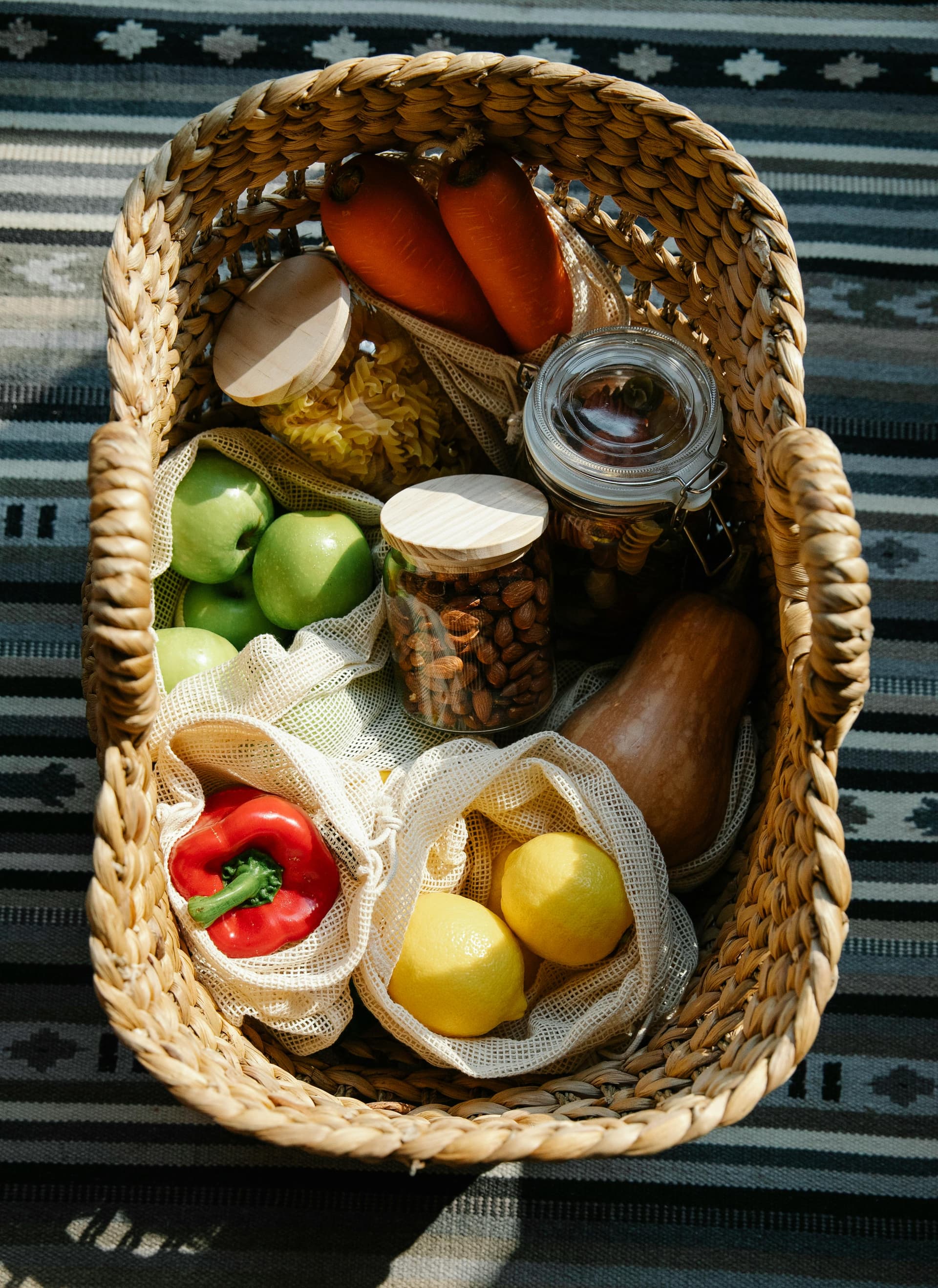
What is a Balanced Diet? Understanding the Foundation of Nutrition
Discover what is a balanced diet and why it matters for your health. Learn about essential nutrients, balanced meals, and healthy foods to include in your daily nutrition plan.
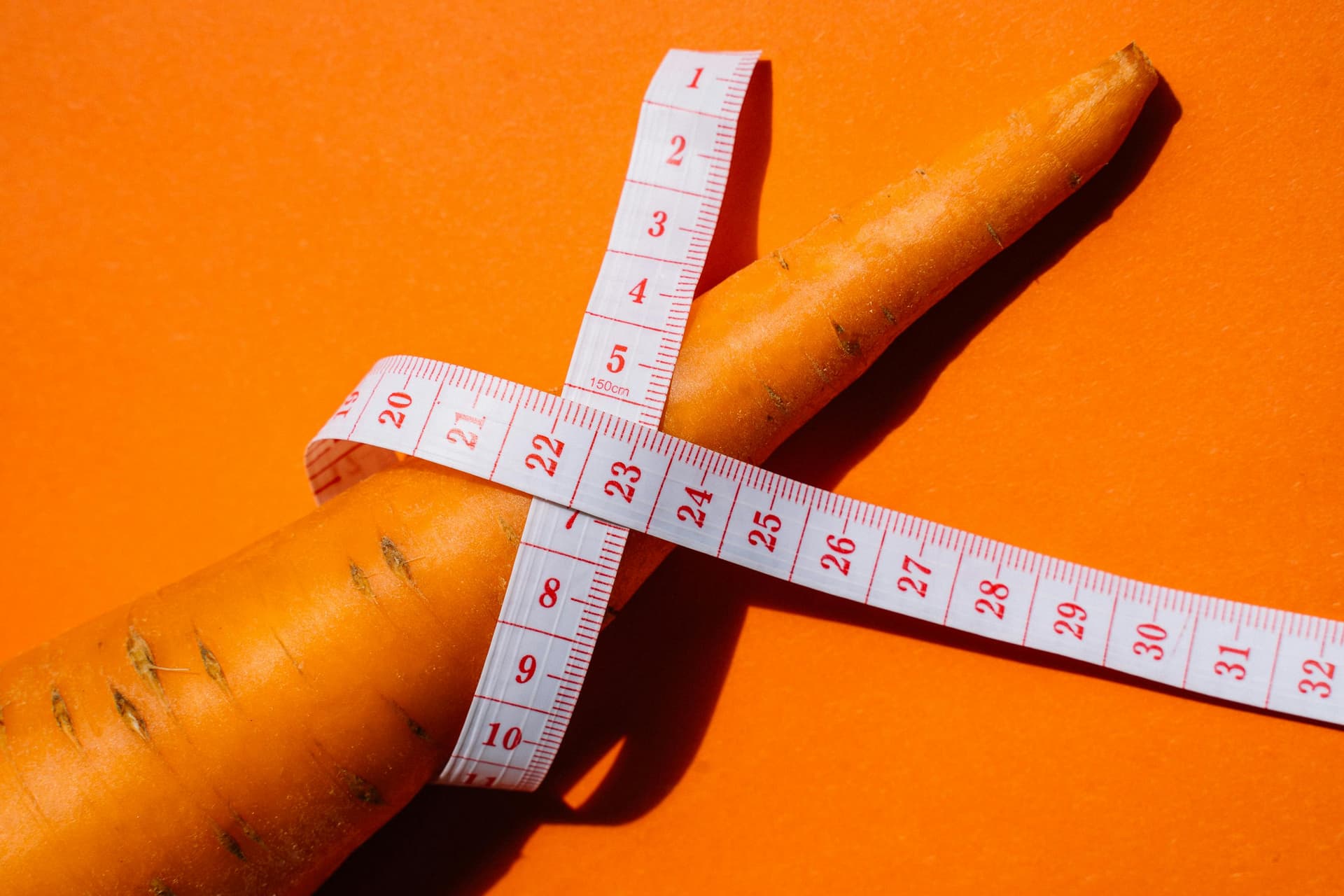
What Is a Calorie Deficit? Your Simple Guide to Weight Loss
Learn what a calorie deficit is, how it works for weight loss, and how to create a sustainable calorie deficit plan.
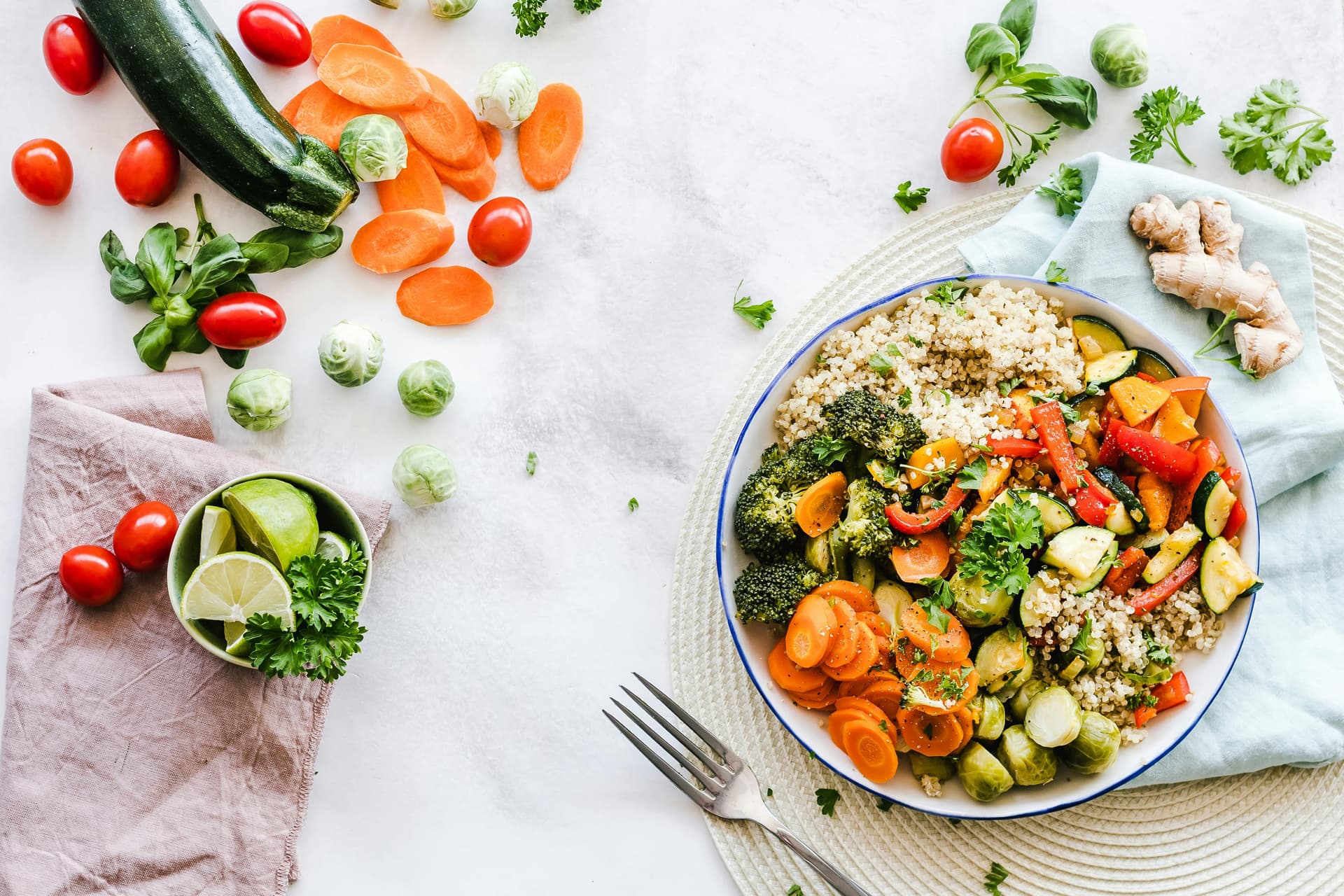
Build Your Perfect Balanced Meal with Healthy Foods
Learn how to create perfectly balanced meals with our interactive guide. Discover healthy foods, balanced diet tips, and use our meal builder to create your own balanced meal plan.

How to Reduce Belly Fat: Science-Backed Strategies That Work
Learn science-backed strategies to reduce belly fat, including nutrition tips, effective exercises, and lifestyle changes that target abdominal fat specifically.
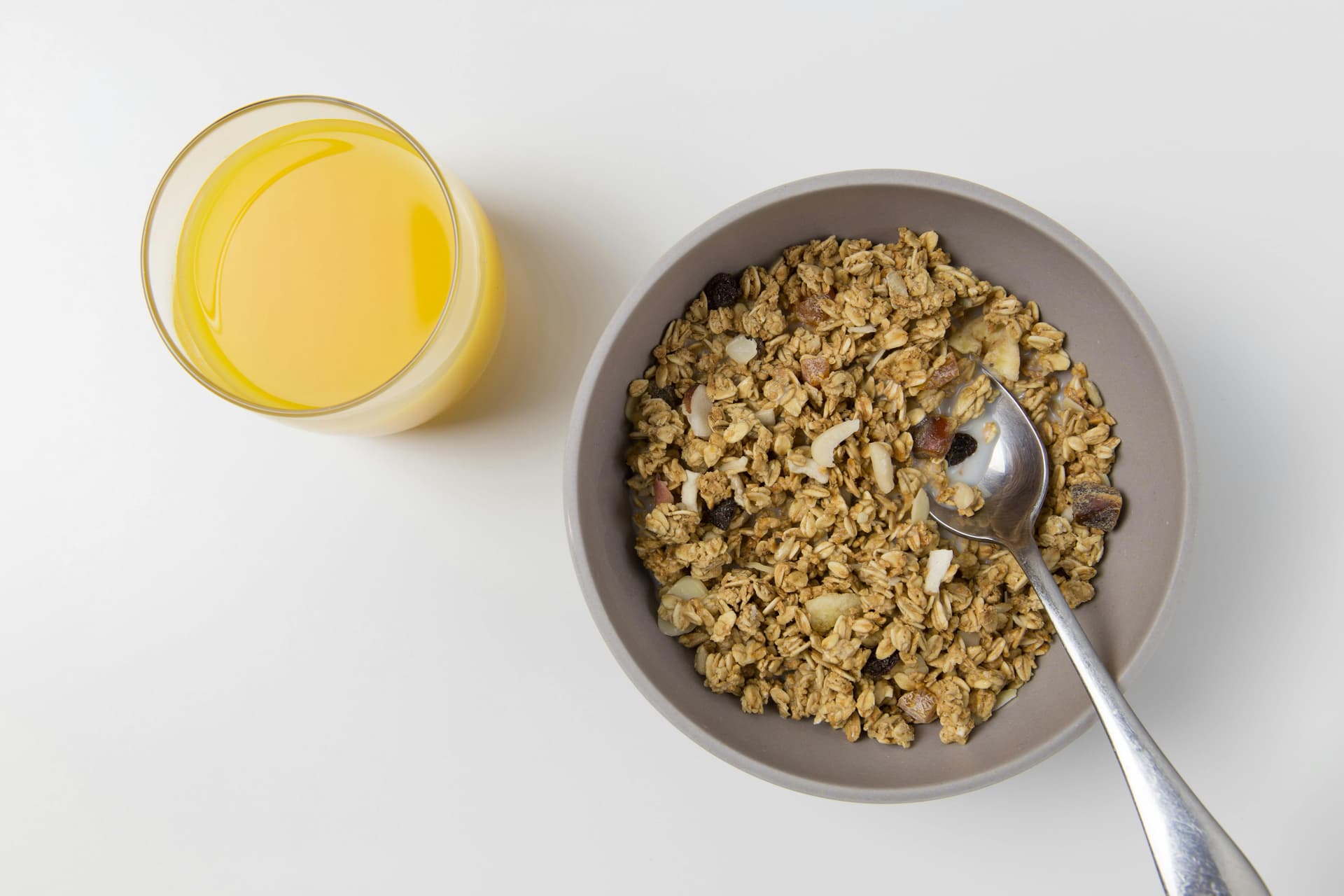
Fibremaxxing 101: What It Is, Why It Works, and How to Start
Learn all about fibremaxxing - the new buzzword for boosting your fiber intake. Discover why it works, the health benefits, and a 4-week plan to get started safely.
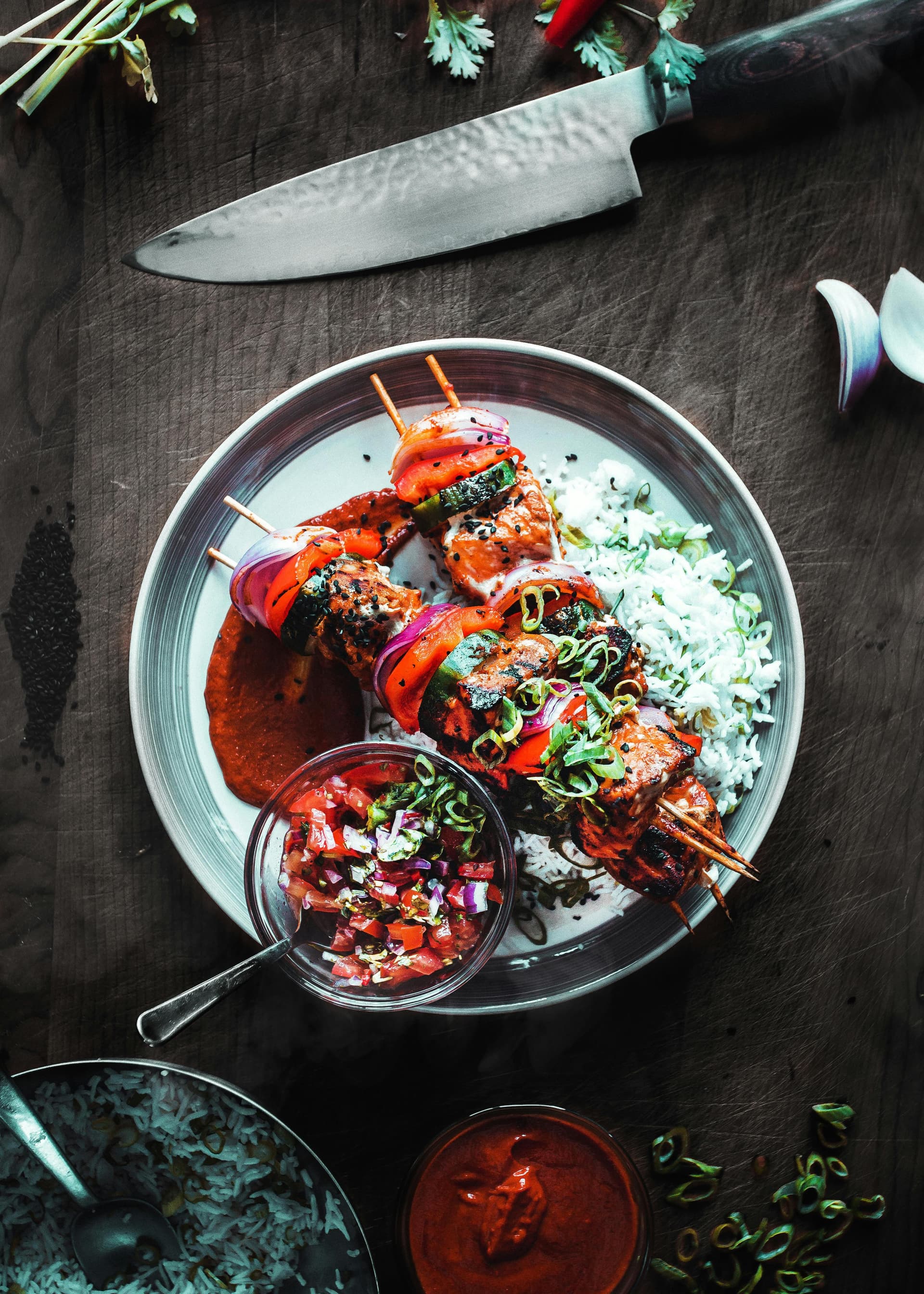
Top 10 High-Fiber Foods to Supercharge Your Gut Health
Discover the top 10 high-fiber foods that can supercharge your gut health. Learn about soluble vs. insoluble fiber and get tips to boost your intake.

Is Too Much Fiber Harmful? Science-Backed Risks & Safeguards
Explore the science-backed risks of excessive fiber intake, common side effects like bloating, and safeguards to prevent discomfort. Learn who should be cautious.

How Much Fiber Do You Really Need? Exact Grams by Age & Gender
Find out exactly how much fiber you need per day based on your age and gender. Includes a daily fiber intake calculator.

Does Fiber Help Weight Loss? What Science Really Says
Does fiber help with weight loss? Uncover the science behind fiber and weight loss. Learn how it aids satiety and what studies reveal.

Fibermaxxing Myths: What TikTok Isn't Telling You
Debunking common fibremaxxing myths from social media. Learn the truth about fiber supplements, nutrient absorption, and safe fiber intake.
30-Gram Fiber Meal Plan: A Day of Recipes to Meet Your Goals
Achieve your daily 30g fiber goal with our sample meal plan, recipes, and interactive meal builder checklist.

Fibermaxxing Tips: Easy Swaps to Add More Fiber Without Pain
Learn easy fiber swaps and tips to increase your fiber intake gradually without discomfort. Includes an interactive fiber tracker.

High-Fiber Breakfasts: 5 Recipes to Boost Morning Gut Health
Start your day with a gut health boost! Discover 5 delicious high-fiber breakfast recipes, plus prep tips.

Soluble vs Insoluble Fiber: Which One You Need More?
Understand soluble vs. insoluble fiber: their benefits, food sources, and which might be best for your health goals.
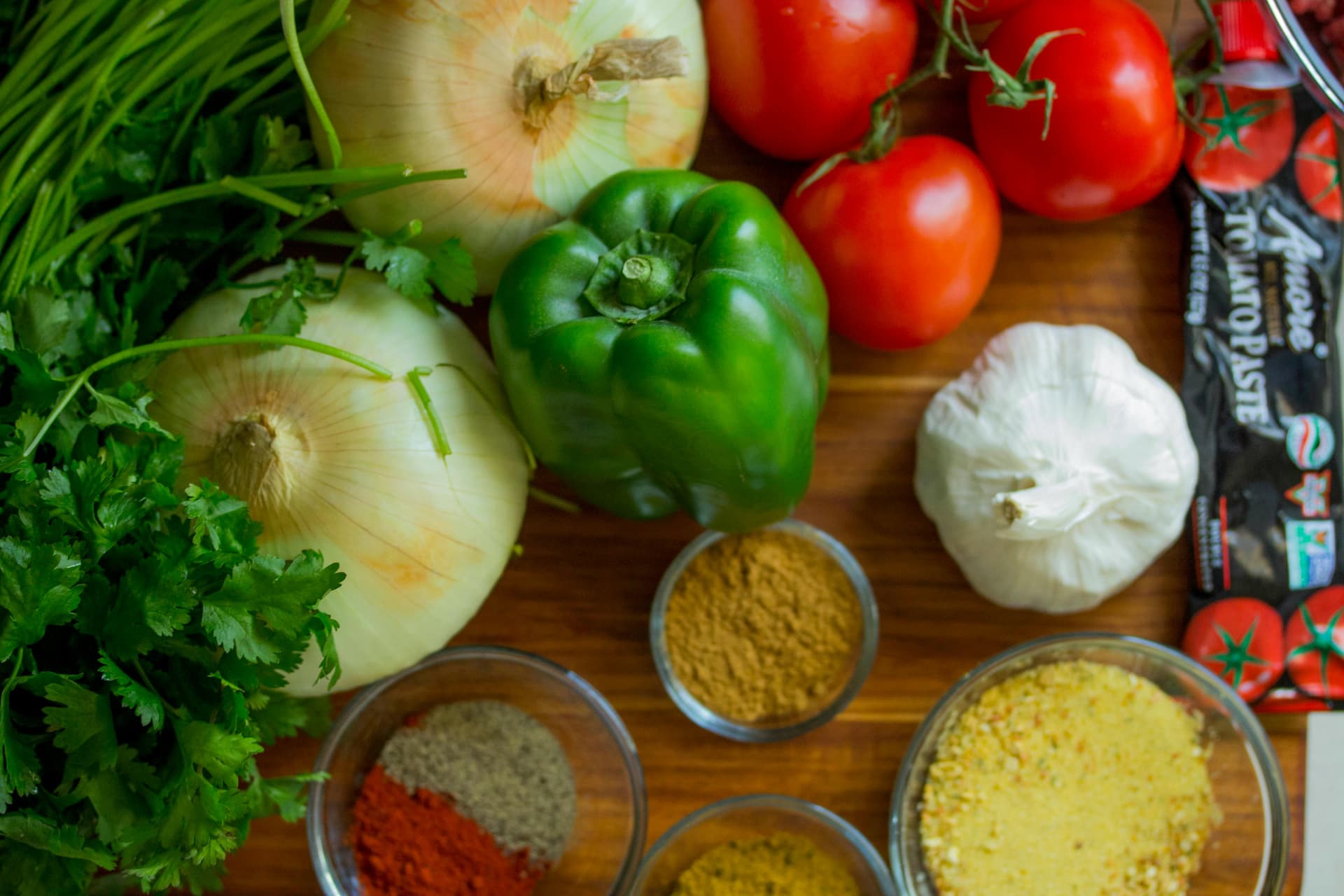
Whole Grains vs Fruits & Veggies: Best Fiber Sources Ranked
Discover the best fiber sources ranked by category: whole grains, fruits, legumes, and veggies. Includes an interactive meal swap tool.
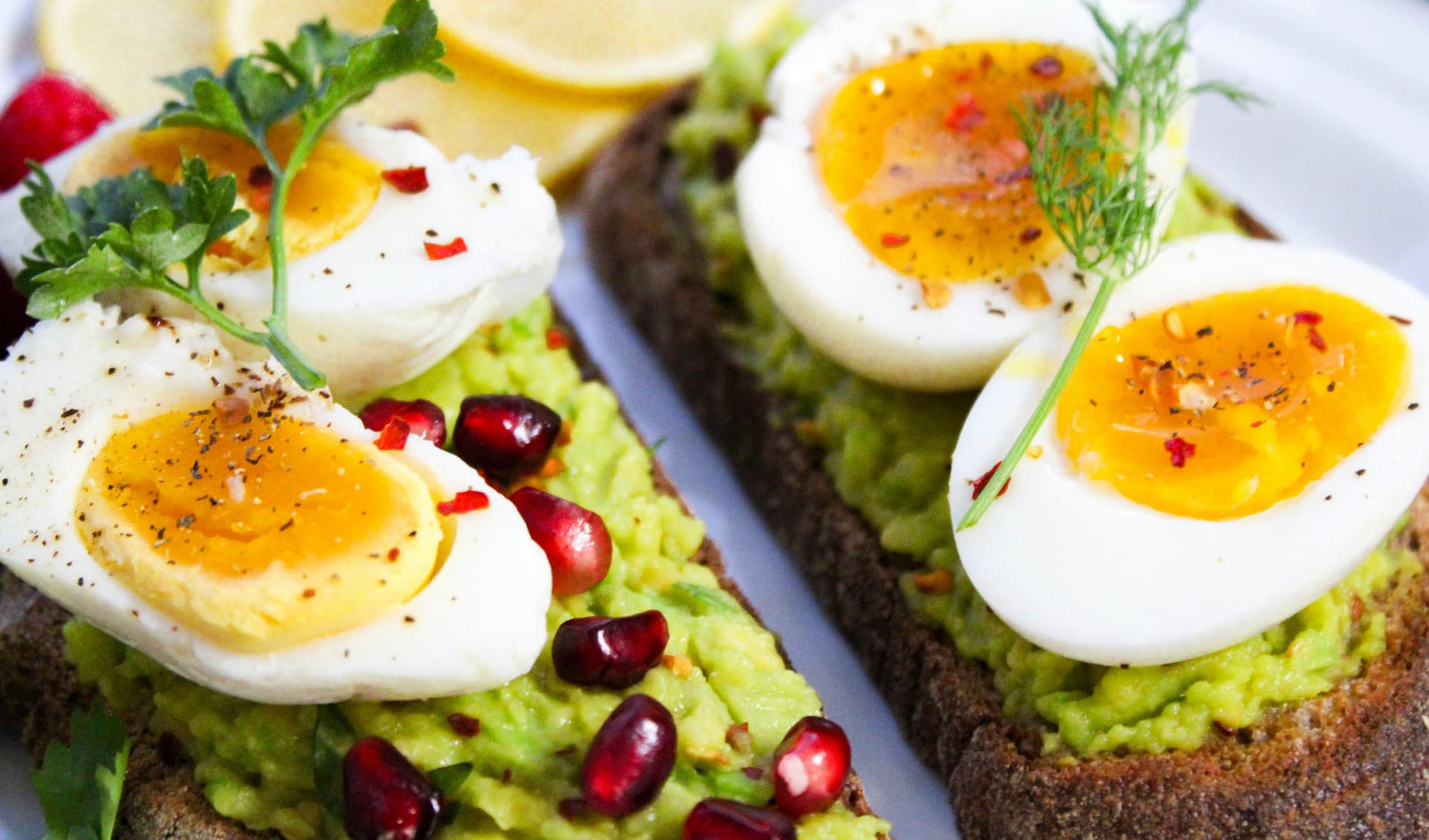
Quick High-Fiber Snacks to Curb Cravings (Under 200 Calories)
Discover 10+ quick high-fiber snacks under 200 calories to curb cravings. Features an interactive snack builder.
5 Ways Fiber Remodels Your Gut Microbiome for Better Health
Explore 5 powerful ways dietary fiber acts as a prebiotic to remodel your gut microbiome for better health.

Do Fiber Supplements Work? Psyllium, Inulin & More Explained
Explore the effectiveness of fiber supplements like psyllium and inulin, their benefits, limitations, and how they compare to whole foods.

Water and Fiber for Digestion: The Essential Duo for Gut Health
Learn why water and fiber are crucial together for digestive health. Use our interactive tracker.
How Many Calories Should I Eat Per Day? Complete Guide by Goal
Find out exactly how many calories you should eat per day for weight loss, maintenance, or muscle gain — with a breakdown by age, sex, and activity level.

What Are Macros? A Beginner's Guide to Macronutrients
Macros — protein, carbs, and fat — are the three nutrients that make up every calorie you eat. Here's what they do and why tracking them helps.
What Is TDEE? Total Daily Energy Expenditure Explained
TDEE (Total Daily Energy Expenditure) is the total calories your body burns per day — your true maintenance number. Learn how it's calculated and how to use it for weight loss or muscle gain.
How to Count Calories: The Complete Beginner's Guide
A step-by-step guide to calorie counting that actually works — without obsessing over every bite. Learn what to track, how to read labels, and common mistakes to avoid.
Maintenance Calories: How to Calculate & Use Your TDEE
Maintenance calories — also called TDEE — are the number of calories you need to eat per day to maintain your current weight. Here's how to calculate yours and use it to reach any goal.

How Many Calories Should I Eat to Lose Weight? (Safe Deficit Guide)
How many calories should you eat to lose weight? The answer depends on your current weight, activity level, and how fast you want to lose. Here's the complete science-backed guide to finding your safe calorie deficit.
How Many Calories Are in a Pound of Fat? (The 3,500 Rule Explained)
The widely-cited "3,500 calories = 1 pound of fat" rule is both helpful and misleading. Here's the actual science behind how many calories are in a pound of body fat and what it means for weight loss.
What Is a Calorie? Understanding Energy, Food, and Nutrition
A calorie is a unit of energy — specifically, the amount of energy needed to raise the temperature of 1 kilogram of water by 1°C. Here's everything you need to know about calories, how they're measured, and why they matter for nutrition.
How Much Protein Per Day Do You Really Need? (By Goal & Weight)
How much protein you need per day depends on your weight, activity level, and goals. Most people need 0.7–1g per pound of bodyweight, but the exact amount varies. Here's your complete guide to protein requirements.
How to Calculate Macros: Step-by-Step Guide for Any Goal
Calculating your macros (protein, carbs, and fat) is simpler than you think. This step-by-step guide shows you exactly how to find your personalized macro targets for weight loss, muscle building, or maintenance.
High Protein Foods: 50+ Best Sources for Every Diet
Looking for high protein foods? This complete guide covers 50+ protein-rich options from animal and plant sources, with protein content per serving. Perfect for weight loss, muscle building, or meeting your daily protein goals.
Protein Per Pound of Body Weight: The Complete Science-Based Guide
How much protein per pound of body weight do you actually need? The answer depends on your goal, activity level, and age. This guide breaks down the science and gives you exact targets.
Best Protein Sources: Quality, Bioavailability & Complete Guide
Not all protein sources are created equal. This guide ranks the best protein sources by quality, bioavailability, and amino acid profile — from animal proteins like eggs and whey to plant-based options like soy and quinoa.
What Is BMI? Body Mass Index Explained (Formula, Categories & Limits)
BMI (Body Mass Index) is a screening tool that estimates body fat by comparing your weight to your height. Learn what BMI is, how to calculate it, what the categories mean, and why BMI has important limitations.
Healthy BMI Range: What's Ideal for Your Age, Gender & Ethnicity
The standard healthy BMI range is 18.5-24.9, but research shows the ideal BMI varies by age, gender, muscle mass, and ethnicity. Learn what BMI range is healthiest for your specific situation.
What Is BMR? Basal Metabolic Rate Explained (Formula & Calculator)
BMR (Basal Metabolic Rate) is the minimum number of calories your body needs to function at rest. Learn what BMR is, how to calculate it, what affects it, and how to use it for weight loss and muscle building.
Ideal Body Weight: How to Calculate Your Target Weight (5 Formulas)
Ideal Body Weight (IBW) is an estimate of the healthiest weight for your height based on medical formulas. Learn how to calculate your IBW using 5 different formulas, understand frame size, and why IBW is just one tool for assessing health.
How Much Water Should I Drink Per Day? Daily Hydration Guide
How much water should you drink per day? The average adult needs 11.5-15.5 cups (2.7-3.7 liters) of total fluid daily, but individual needs vary based on weight, activity, climate, and health. Learn personalized hydration recommendations.

Signs of Dehydration: Symptoms, Causes & When to Seek Help
Dehydration occurs when you lose more fluid than you take in. Learn to recognize the signs from mild symptoms (thirst, dry mouth, dark urine) to severe warning signs (confusion, rapid heartbeat, fainting) that require emergency care.
Benefits of Drinking Water: 12 Science-Backed Health Benefits
Water is essential for every function in your body. Discover 12 evidence-based benefits of drinking water including weight loss (drinking water boosts metabolism by 30%), improved energy and brain function, better skin health, kidney protection, and enhanced exercise performance.
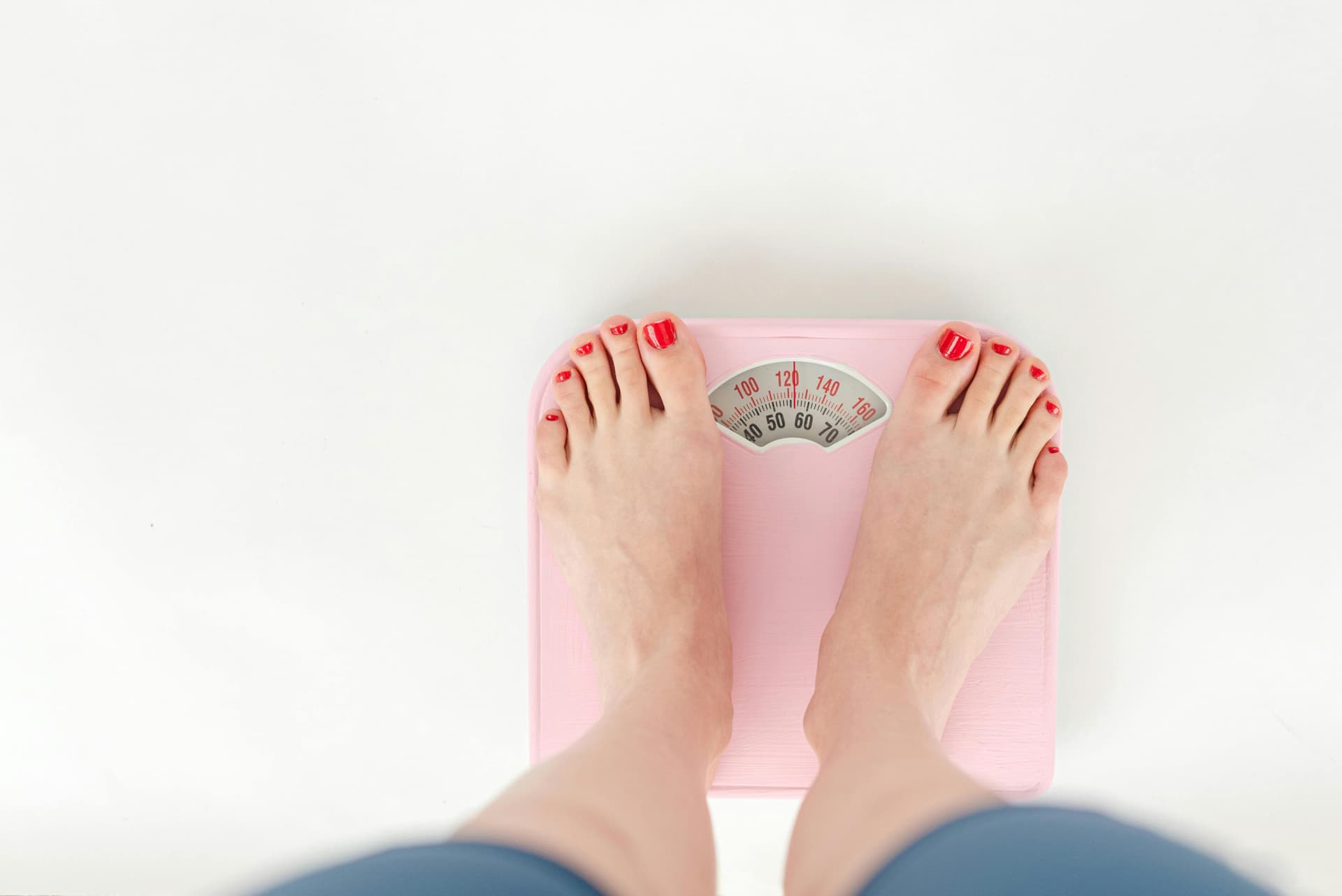
Why Am I Not Losing Weight? 14 Common Reasons & Solutions
Not losing weight despite your best efforts? You're not alone. Weight loss plateaus affect 85% of dieters. This comprehensive guide explores 14 science-backed reasons why you might not be losing weight — from metabolic adaptation and hidden calories to medical conditions, sleep issues, and unrealistic expectations — plus proven solutions to break through plateaus.
How to Lose Weight Without Counting Calories: 10 Proven Strategies
Calorie counting isn't the only path to weight loss. Research shows you can lose weight naturally by focusing on food quality, eating habits, and lifestyle changes. Discover 10 evidence-based strategies including eating more protein (reduces intake by 441 calories/day), using smaller plates, choosing whole foods, practicing mindful eating, and improving sleep — all without tracking a single calorie.
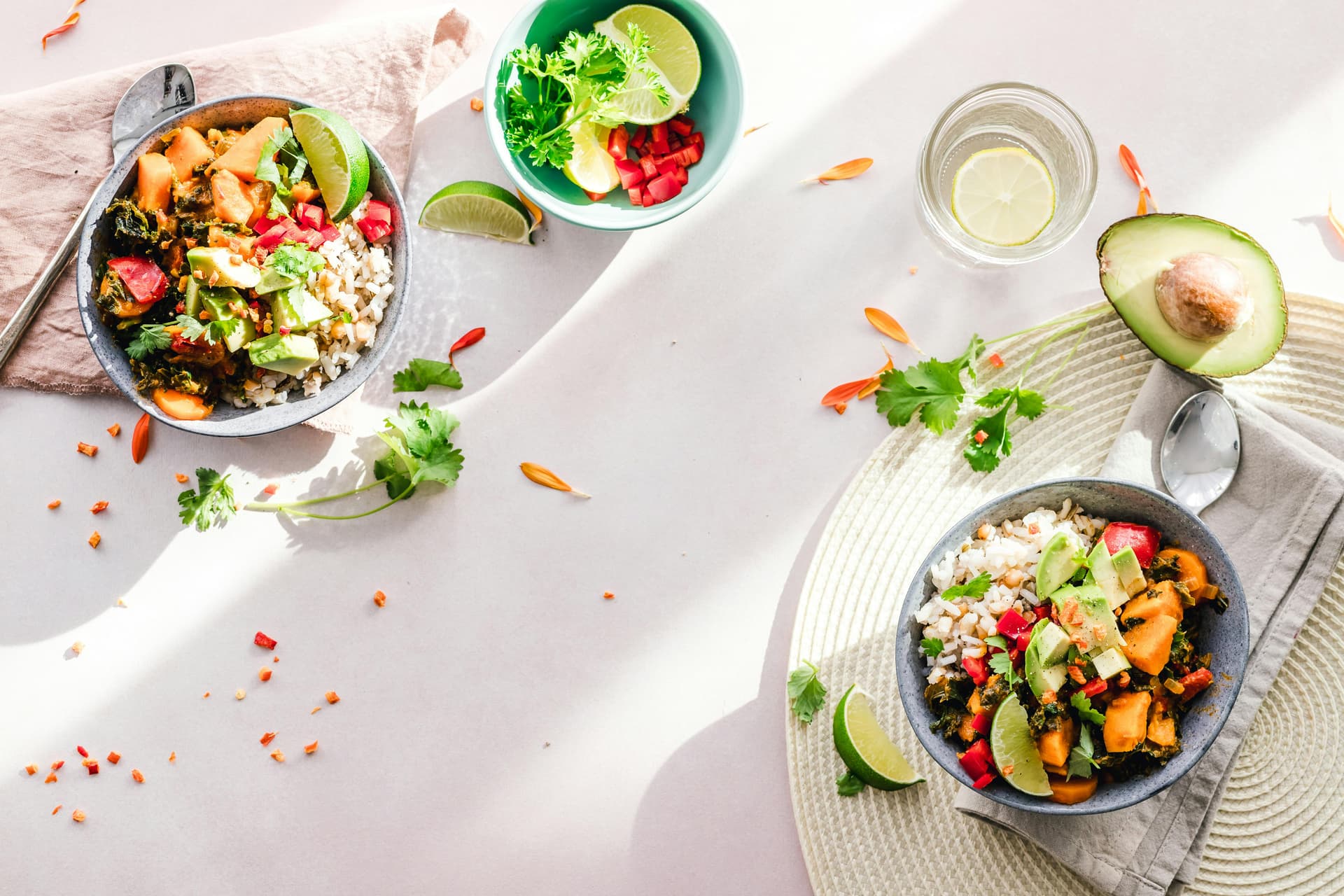
Best Diet for Weight Loss: 7 Evidence-Based Diets Ranked by Science
What's the best diet for weight loss? Science has the answer. The Mediterranean diet ranks #1 for the 7th consecutive year, with research showing 7-11 pounds lost in 10 weeks. This comprehensive guide compares 7 evidence-based diets including Mediterranean, DASH, plant-based, intermittent fasting, low-carb, keto, and paleo — evaluating effectiveness, sustainability, and long-term health benefits.
Intermittent Fasting for Beginners: Complete Guide to IF Schedules & Results
Intermittent fasting (IF) is one of the most popular weight loss strategies, with research showing 7-11 pounds lost in 10 weeks. But where do you start? This beginner-friendly guide covers 7 IF schedules (16:8, 12:12, 5:2, alternate day, OMAD), expected results, health benefits beyond weight loss, what to eat during eating windows, common mistakes to avoid, and a step-by-step plan to start IF safely and sustainably.
How to Boost Metabolism: 12 Science-Backed Ways to Increase Metabolic Rate
Want to boost your metabolism naturally? While genetics play a major role, you can increase your metabolic rate through proven lifestyle changes. Discover 12 science-backed strategies including eating more protein (20-30% thermic effect), doing HIIT workouts, building muscle mass, drinking coffee and green tea, getting quality sleep, and eating at the right times. Learn what actually works versus metabolism myths.
How to Lose Weight Fast: 6 Science-Backed Steps for Safe, Rapid Results
Want to lose weight fast but safely? While extreme crash diets promise quick results, they often backfire with muscle loss and rebound weight gain. This evidence-based guide reveals 6 proven steps to lose weight quickly and sustainably: eat protein at every meal, do high-intensity workouts, increase fiber intake, practice mindful eating, stay hydrated, and prioritize sleep. Learn realistic expectations (1-2 lbs per week is safe), what to avoid, and how to maintain results long-term.
1200 Calorie Meal Plan: 7-Day Guide with Recipes & Safety Tips
A 1200 calorie meal plan can be effective for weight loss, but it's not right for everyone. This comprehensive guide provides a 7-day meal plan with balanced recipes, portion sizes, and nutritional breakdowns. Learn who should follow 1200 calories (typically sedentary women under 5'4"), safety considerations, foods to eat and avoid, plus tips to meet protein and nutrient needs on a restricted calorie budget.
1500 Calorie Meal Plan: 7-Day Guide for Balanced Weight Loss
A 1500 calorie meal plan offers a balanced approach to weight loss without extreme restriction. This comprehensive 7-day plan is ideal for active women, sedentary men, or anyone seeking sustainable 1-2 pound weekly weight loss. Get complete meal ideas with macros (110-120g protein, 150-180g carbs, 50-60g fat), portion sizes, food lists, and practical tips to stay satisfied while losing weight.
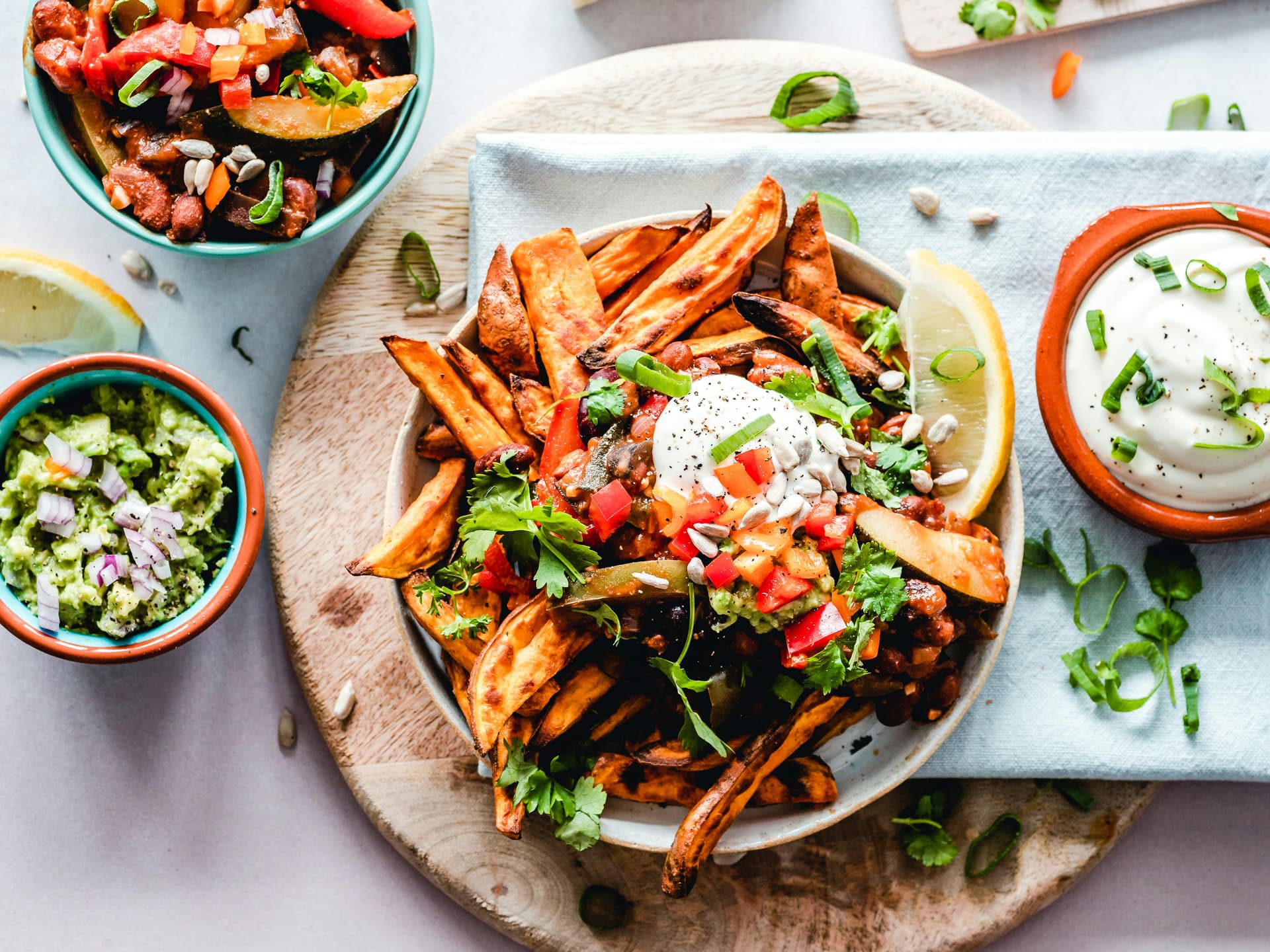
2000 Calorie Meal Plan: 7-Day Guide for Maintenance & Active Lifestyles
A 2000 calorie meal plan is the standard reference for nutrition labels and works well for weight maintenance, active lifestyles, and muscle building. This comprehensive 7-day guide is perfect for active women, most men, and athletes. Get complete meal ideas with balanced macros (140-160g protein, 220-250g carbs, 65-75g fat), portion sizes, and flexible meal combinations for sustainable nutrition.
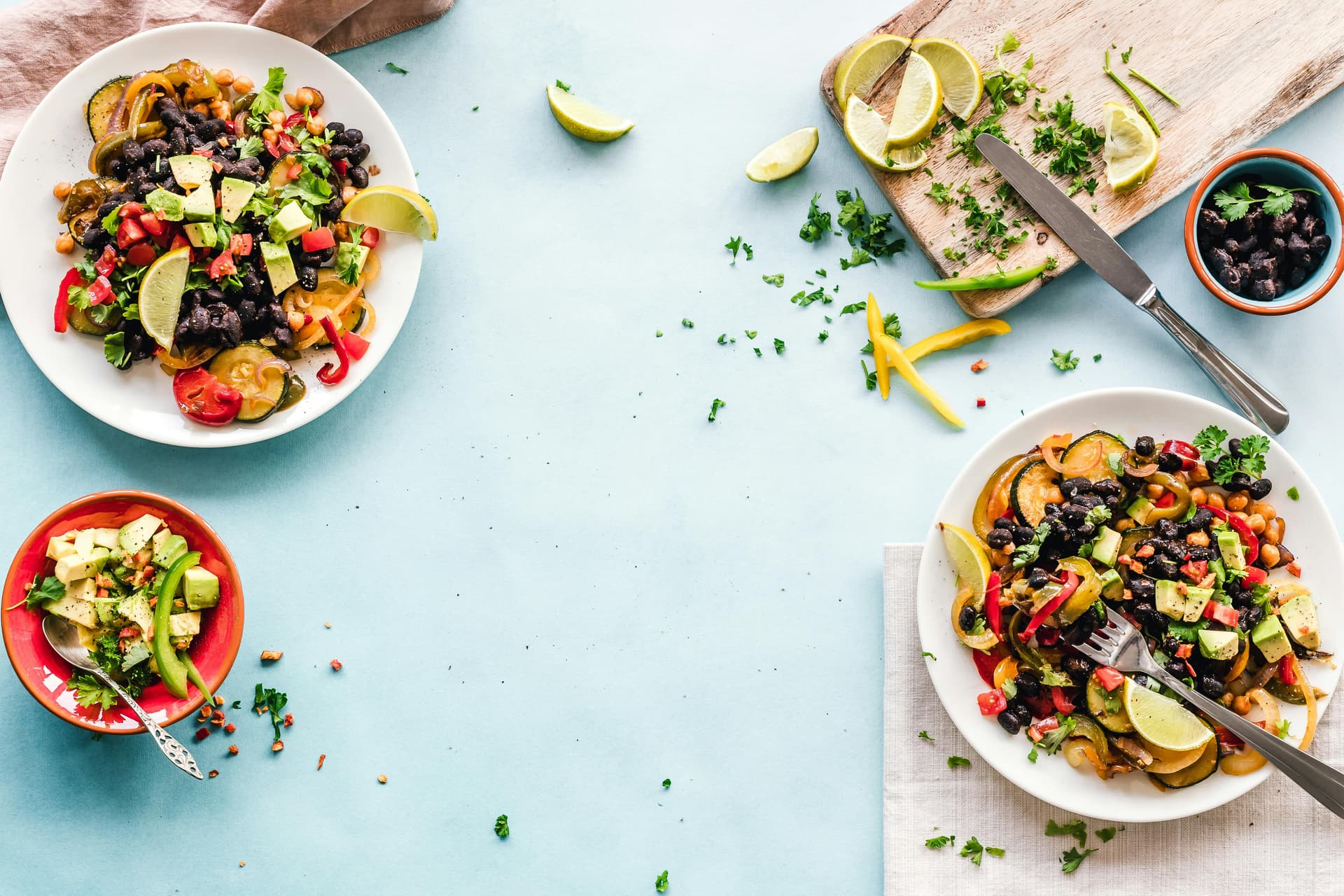
Meal Prep for Weight Loss: Complete Beginner's Guide + 50 Ideas
Meal prep is the secret weapon for successful weight loss. This comprehensive beginner's guide teaches you everything: how to start meal prepping, 50+ healthy meal ideas, shopping lists, portion control strategies, and time-saving tips. Learn the 3 main prep methods (batch cooking, ingredient prep, make-ahead meals), best containers, food safety, and how to prep breakfast, lunch, dinner, and snacks for the entire week.
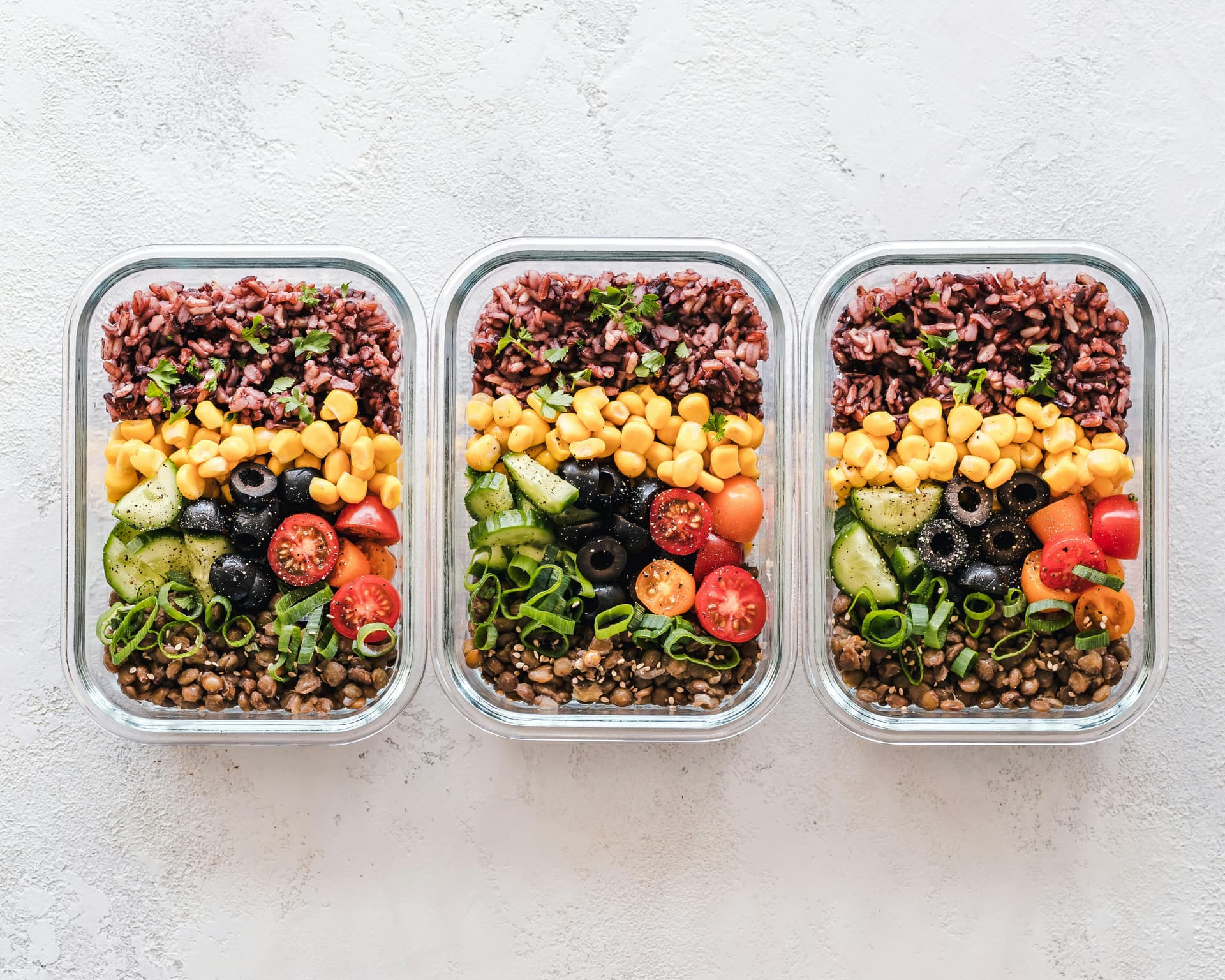
Low Calorie Foods That Fill You Up: 40+ High-Volume Options
Struggling with hunger on a diet? The secret is volume eating — filling your plate with low-calorie, high-volume foods. This comprehensive guide reveals 40+ foods that fill you up without sabotaging weight loss: fruits (watermelon, berries, apples), vegetables (cucumbers, broccoli, spinach), lean proteins (fish, chicken, Greek yogurt), and whole grains. Learn the science of satiety, portion sizes, and how to build satisfying meals under 400 calories.
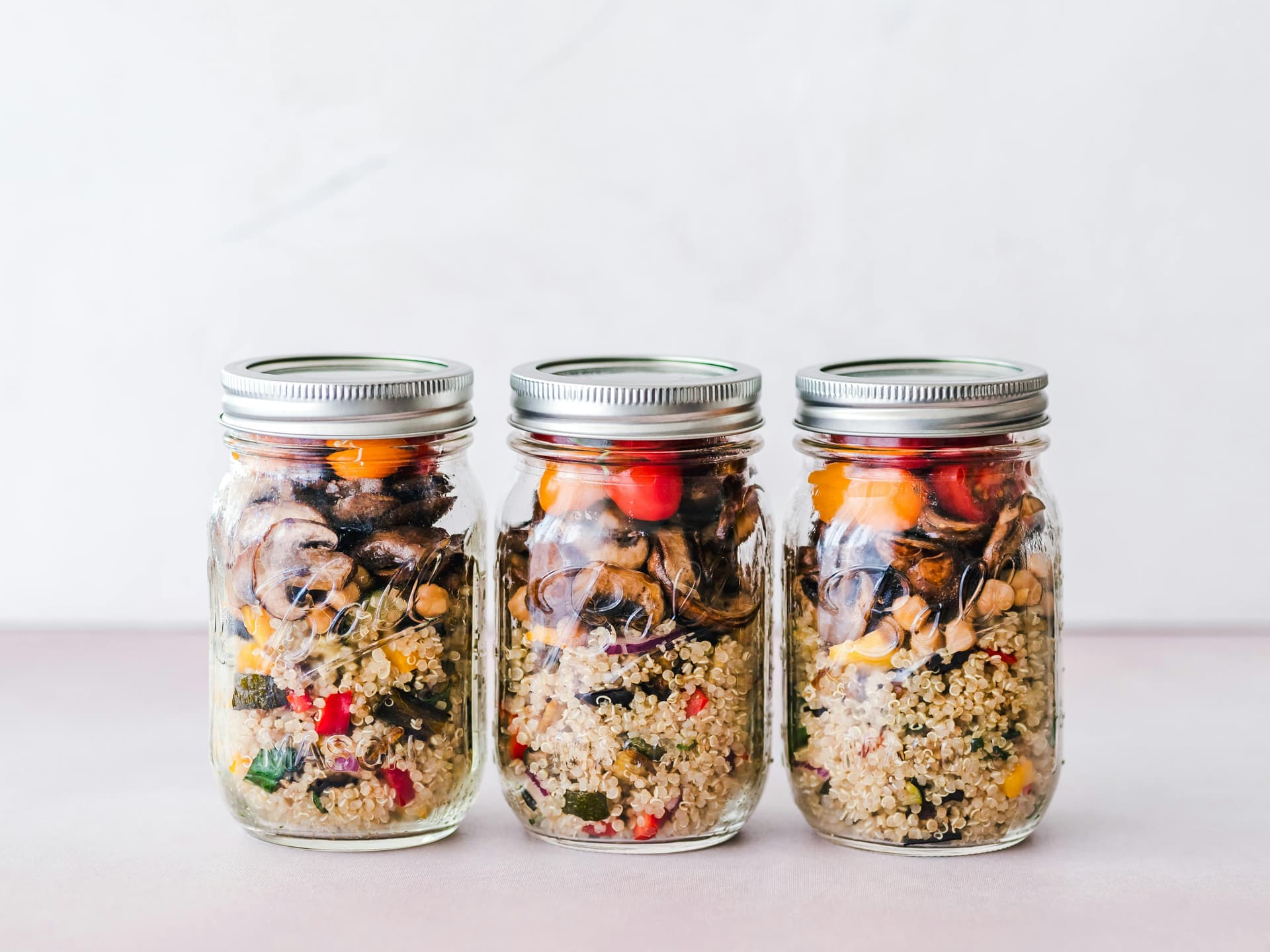
Healthy Snacks for Weight Loss: 50+ Ideas Under 200 Calories
Snacking doesn't have to sabotage weight loss. This comprehensive guide reveals 50+ healthy snacks under 200 calories: high-protein options (Greek yogurt, hard-boiled eggs, jerky), sweet treats (fruit with nut butter, dark chocolate), savory bites (hummus, cheese, popcorn), and portable snacks for on-the-go. Learn the best times to snack, ideal portion sizes, and how to avoid mindless eating that derails your diet.
What to Eat to Lose Weight: Complete Food Guide + Meal Ideas
Confused about what to eat to lose weight? This comprehensive guide reveals the exact foods that support weight loss: lean proteins (chicken, fish, eggs), non-starchy vegetables (broccoli, spinach, peppers), fruits (berries, apples), whole grains (oats, quinoa), and healthy fats (avocados, nuts). Learn portion sizes, meal timing, foods to avoid, and how to build balanced meals that keep you full while creating a calorie deficit.

Net Carbs vs Total Carbs Explained: Complete Guide + How to Calculate
Confused about net carbs vs total carbs? This guide explains the key differences. Net carbs = total carbs minus fiber and certain sugar alcohols (the carbs that impact blood sugar). Total carbs include everything. Learn when to count each, how to calculate net carbs accurately, which matters for keto/low-carb diets, and common calculation mistakes to avoid.

Micronutrients vs Macronutrients Explained: Complete Guide + What You Need
Confused about micronutrients vs macronutrients? This guide breaks down the key differences. Macronutrients (protein, carbs, fat) provide energy and are measured in grams. Micronutrients (vitamins, minerals) support body functions and are measured in milligrams. Learn daily requirements, best food sources, why you need both, and how to balance your diet for optimal health and performance.

How to Burn More Calories Eating (Thermic Effect of Food)
The thermic effect of food (TEF) is the energy your body uses to digest, absorb, and process nutrients — accounting for ~10% of total daily calorie burn. Protein has the highest TEF (20-30%), meaning you burn 20-30 calories for every 100 protein calories consumed. Carbs burn 5-10%, fat only 0-3%. Learn how to maximize TEF for weight loss through meal composition, timing, and food choices.

Macros for Weight Loss: Optimal Protein, Carbs & Fat Ratios
The best macros for weight loss prioritize high protein (30-40%), moderate carbs (30-40%), and moderate fat (25-35%). This ratio preserves muscle mass, increases satiety, boosts metabolism through thermic effect, and supports sustainable fat loss. Learn how to calculate your personal macro targets, adjust based on activity level, track effectively, and avoid common mistakes that stall progress.

Macros for Building Muscle: Optimal Protein, Carbs & Fat for Gains
The best macros for building muscle prioritize high protein (30-35%), high carbs (40-50%), and moderate fat (20-25%). This ratio supports muscle protein synthesis, fuels intense workouts, aids recovery, and creates the calorie surplus needed for growth. Learn how to calculate your bulking macros, eat enough calories without excessive fat gain, and optimize meal timing for maximum muscle growth.

Calorie Counting for Beginners: Complete Step-by-Step Guide
Calorie counting for beginners doesn't have to be complicated. This complete guide teaches you how to calculate your daily calorie needs, track food accurately with apps and tools, measure portions correctly, and avoid common mistakes. Learn the fundamentals of calorie tracking to achieve weight loss, muscle gain, or maintenance goals through simple, sustainable methods.

How to Read Nutrition Labels: Complete Guide to Food Labels
Learning how to read nutrition labels is essential for making informed food choices. This complete guide teaches you how to understand serving sizes, interpret calories and macronutrients, use % Daily Value, decode ingredient lists, spot hidden sugars and sodium, and identify misleading health claims. Master nutrition label reading to support your weight loss, muscle gain, or healthy eating goals.
Best Macro Ratio for Weight Loss: Optimal Protein, Carbs & Fat
The best macro ratio for weight loss typically includes 30-40% protein, 30-40% carbs, and 20-30% fat. However, the "perfect" ratio varies based on your activity level, body type, and personal preferences. Research shows that calorie deficit matters more than exact macro percentages, but optimizing your macros can improve satiety, preserve muscle mass, and make weight loss more sustainable. This guide helps you find your ideal macro split.
How Many Grams of Protein Per Day: Complete Guide by Goal
How many grams of protein per day you need depends on your body weight, activity level, age, and goals. The RDA is 0.8g per kg body weight (56g for men, 46g for women), but this is the minimum to prevent deficiency. For optimal health, weight loss, or muscle building, most people need 1.2-2.2g per kg (0.5-1g per lb). This comprehensive guide helps you calculate your exact protein needs and shows you how to meet them.
Does Calorie Counting Work? Science-Backed Answer + Pros & Cons
Does calorie counting work for weight loss? The short answer is yes — research consistently shows that tracking your food intake helps with weight loss by increasing awareness, creating accountability, and helping you maintain a calorie deficit. However, calorie counting isn't necessary for everyone, and it may not be suitable for those with a history of disordered eating. This guide explores the science behind calorie counting, who benefits most, potential downsides, and effective alternatives.

How Accurate Are Calorie Counts? FDA Rules, Errors & What to Know
How accurate are calorie counts? The truth is: not very accurate. The FDA allows nutrition labels to be off by up to 20%, meaning a "100 calorie" snack could actually be 80-120 calories. Restaurant calorie counts can vary even more — up to 100-300 calories from listed values. Factors like factory errors, cooking methods, and individual digestion all affect accuracy. Despite these limitations, calorie counting still works for weight loss because errors are consistent. This guide explains why calorie counts are inaccurate and how to track effectively anyway.
BMR vs TDEE Difference Explained: How to Use Both for Weight Loss
Understanding BMR vs TDEE is essential for weight loss success. BMR (Basal Metabolic Rate) is the calories your body burns at rest — about 60-75% of your daily calorie burn. TDEE (Total Daily Energy Expenditure) is your total daily calorie burn, calculated as BMR × activity multiplier (1.2-1.9). To lose weight, eat below your TDEE but above your BMR. This comprehensive guide explains the difference, how to calculate both, and how to use them for sustainable weight loss.
Calorie Deficit Without Feeling Hungry: 12 Science-Backed Strategies
Maintaining a calorie deficit without feeling hungry is possible with the right strategies. The key is focusing on energy density — eating high-volume, low-calorie foods that fill you up. Protein increases satiety by 25%, fiber slows digestion, and water-rich foods (fruits, vegetables) provide volume without calories. This comprehensive guide provides 12 science-backed strategies to lose weight without constant hunger, including meal timing, food choices, and behavioral techniques for sustainable fat loss.
Best Foods for Weight Loss: 25 Science-Backed Options That Work
The best foods for weight loss share common traits: high protein, high fiber, low energy density, and high satiety. This comprehensive guide covers 25 science-backed foods that support weight loss, including eggs (high protein, increases fullness 4 hours), leafy greens (low calories, high volume), lean proteins (chicken, fish preserve muscle), legumes (fiber + protein combo), and whole grains. Learn which foods keep you full, boost metabolism, and help you lose fat while maintaining muscle mass.
Protein for Weight Loss: How Much You Need & Why It Works
Protein is the most important macronutrient for weight loss. Research shows higher-protein diets (1.2-1.6g/kg body weight) lead to greater fat loss, better muscle preservation, and improved satiety compared to lower-protein diets. Protein increases fullness by 25%, has a 20-30% thermic effect (burns calories during digestion), reduces hunger hormones, and prevents metabolic slowdown. This comprehensive guide covers optimal protein intake, timing strategies, best sources, and how to use protein for sustainable fat loss.
How Many Calories in Common Foods: Complete Reference Guide
Knowing how many calories are in common foods is essential for effective calorie tracking and weight management. This comprehensive guide covers 100+ everyday foods organized by category: fruits (apple 95 cal, banana 90 cal), vegetables (broccoli 35 cal, spinach 23 cal per 100g), proteins (chicken breast 165 cal, salmon 206 cal per 100g), grains (white rice 130 cal, oats 389 cal dry per 100g), dairy, nuts, and beverages. Includes portion sizes, cooking method impacts, and practical tips for accurate tracking.
Is BMR Accurate? Understanding BMR Calculation Accuracy & Limitations
BMR (Basal Metabolic Rate) calculators are reasonably accurate for most people but have important limitations. The most accurate equation (Mifflin-St Jeor) predicts BMR within 10% of measured values for about 70% of individuals, with typical error rates of 10-15%. Accuracy depends on body composition, age, ethnicity, and metabolic health. Lab testing via indirect calorimetry is the gold standard (±5% error) but costs $100-300. For most people, BMR estimates are sufficient for weight management when combined with tracking and adjustments.
How Many Calories Should I Eat? Complete Guide to Daily Calorie Needs
How many calories should you eat? It depends on your age, sex, weight, height, and activity level. Adult males typically need 2,000-3,000 calories daily to maintain weight, while females need 1,600-2,400. Calculate your Total Daily Energy Expenditure (TDEE) by finding your Basal Metabolic Rate (BMR) and multiplying by an activity factor (1.2-1.9). This comprehensive guide explains how to calculate your calorie needs, adjust for goals (weight loss, maintenance, muscle gain), and track accurately.
How Many Calories Should I Eat to Lose Weight? Science-Based Guide
To lose weight, create a calorie deficit by eating less than your TDEE (Total Daily Energy Expenditure). For sustainable weight loss: eat 500 calories below TDEE for 1 lb/week loss, or 750 calories below for 1.5 lb/week. Calculate your TDEE (BMR × activity factor), then subtract your deficit. Minimum safe intake: 1,200 calories for women, 1,500 for men. This comprehensive guide explains how to calculate your weight loss calories, choose the right deficit size, track progress, and adjust for long-term success.
How to Lose Belly Fat: 18 Science-Backed Strategies That Work
Want to lose belly fat? You can't spot-reduce fat, but you can reduce overall body fat which decreases belly fat. The most effective approach: calorie deficit (500 cal/day) + strength training (3-4x/week) + cardio (150+ min/week). Eat more protein (25-30% of calories), soluble fiber (10g+ daily), and limit sugar, alcohol, and trans fats. Visceral fat (dangerous fat around organs) is actually easier to lose than subcutaneous fat. Sleep 7-9 hours, manage stress (high cortisol increases belly fat), and be patient—results take 2-3 months of consistency.
How to Lose Weight Fast: Safe, Science-Based Strategies That Work
Want to lose weight fast safely? Maximum safe rate without medical supervision: 2 lbs/week via 1,000 calorie deficit. Faster methods (very low-calorie diets at 800 cal/day) require doctor supervision. Most sustainable approach: 1-2 lbs/week through 500-750 calorie deficit, high protein (30% of calories), strength training 3-4x/week, and 150+ minutes of cardio weekly. First week: expect 2-5 lbs water weight loss. Avoid crash diets—they cause muscle loss, metabolic slowdown, nutrient deficiencies, and lead to rebound weight gain. This guide covers safe, science-based strategies for rapid but sustainable weight loss.
Best Foods for Weight Loss: 50+ High-Satiety, Low-Calorie Options
The best foods for weight loss are low in energy density (high volume, low calories) and high in satiety. Focus on: vegetables (23-55 cal/cup), fruits (62-104 cal/serving), lean proteins (120-187 cal/4oz), whole grains, and legumes. High-protein foods increase fullness by 25% and boost metabolism. Soluble fiber (oats, beans, berries) keeps you full longer. Best specific foods: Greek yogurt (130 cal, 23g protein), eggs (68 cal, 6g protein), chicken breast (187 cal, 35g protein), salmon (206 cal, 22g protein), oats, berries, leafy greens. Avoid high energy density foods like nuts, oils, and processed foods during active weight loss.
How Much Water Should I Drink to Lose Weight? Science-Based Guide
How much water should you drink to lose weight? General guidelines: women need 9 cups (72 oz), men need 13 cups (104 oz) daily. For weight loss: drink 500ml (17 oz) 30 minutes before each meal = 44% more weight loss in studies. Water boosts metabolism by 24-30% for 60-90 minutes after drinking, suppresses appetite, and helps burn fat (lipolysis requires water). Drink 16-20 oz before meals, 8 oz every hour between meals, and extra during exercise. Cold water may burn slightly more calories. Replacing sugary drinks with water led to 13.6% more weight loss. Track intake, adjust based on activity level, climate, and body size.
How to Count Macros: Complete Beginner's Guide (7 Steps)
How to count macros in 7 steps: (1) Calculate TDEE using BMR × activity factor, (2) Set calorie goal based on weight goal, (3) Choose macro ratio—protein 25-35%, carbs 45-65%, fat 20-35%, (4) Convert percentages to grams (protein/carbs = 4 cal/g, fat = 9 cal/g), (5) Track food with app (MyFitnessPal, Cronometer), (6) Weigh food for accuracy, (7) Adjust weekly based on results. Macros = macronutrients (protein, carbs, fat). Popular ratios: balanced 40/30/30, high-protein 40/40/20, low-carb 20/40/40. Counting macros offers flexibility—eat any foods that fit your macros (IIFYM). More precise than calorie counting alone.
Keto Diet for Beginners: Complete Guide to Starting Ketogenic Diet
Keto diet for beginners: The ketogenic diet is a very low-carb, high-fat diet that puts your body into ketosis—a metabolic state where you burn fat for fuel instead of carbs. Standard keto macros: 70% fat, 20% protein, 10% carbs (20-50g carbs/day). Benefits: rapid weight loss, reduced hunger, stable energy, improved blood sugar. Foods to eat: meat, fish, eggs, cheese, nuts, avocados, low-carb vegetables, healthy oils. Foods to avoid: grains, sugar, most fruit, beans, starchy vegetables. Side effects: keto flu (headache, fatigue, nausea) for 3-7 days as body adapts. How to start: calculate macros, plan meals, track carbs strictly, drink plenty of water, supplement electrolytes (sodium, potassium, magnesium).

Low-Carb Diet Plan: Complete Guide + 7-Day Meal Plan
Low-carb diet plan: Restrict carbs to <130g/day (<26% of total calories). Three levels: moderate low-carb (50-130g), low-carb (20-50g), keto (<20g). Foods to eat: meat, fish, eggs, non-starchy vegetables (spinach, broccoli, cauliflower), nuts, cheese, healthy fats (olive oil, avocado). Foods to avoid: grains (bread, pasta, rice), sugar, starchy vegetables (potatoes, corn), processed foods, sugary drinks. Benefits: weight loss, improved blood sugar control, reduced hunger, better cholesterol. 7-day meal plan included with breakfast, lunch, dinner ideas. Track net carbs (total carbs - fiber), prioritize protein (25-30% calories), choose whole foods over processed.

High-Protein Low-Carb Foods: 50+ Best Options for Weight Loss
High-protein low-carb foods: Top options include chicken breast (35g protein, 0g carbs per 4 oz), eggs (6g protein, 0.6g carbs each), salmon (25g protein, 0g carbs per 4 oz), Greek yogurt (23g protein, 9g carbs per cup), cottage cheese (14g protein, 5g carbs per 1/2 cup). Ideal macro ratio: 25-35% protein, <26% carbs (low-carb). Benefits: increased satiety (protein keeps you full 25% longer), preserved muscle mass during weight loss, faster fat loss, stable blood sugar. Animal sources: beef, pork, turkey, fish, shellfish, dairy. Plant-based sources: tofu, tempeh, edamame, seitan, protein powder. Complete food list with macros included.

Protein for Weight Loss: How Much You Need & Why It Works
Protein for weight loss: Consume 25-35% of calories from protein, or 0.7-1g per pound of body weight (105-150g for 150 lb person). Benefits: (1) Reduces hunger by 60% through satiety hormones, (2) Boosts metabolism by 80-100 calories/day, (3) Preserves muscle mass during calorie deficit, (4) Burns 20-30% of protein calories during digestion (thermic effect). Best sources: chicken breast (35g/4oz), eggs (6g each), salmon (25g/4oz), Greek yogurt (23g/cup), lean beef (28g/4oz). Protein increases fullness hormones (GLP-1, peptide YY, cholecystokinin) and reduces hunger hormone (ghrelin). Aim for 30g protein per meal, spread evenly throughout day for optimal muscle protein synthesis and appetite control.

How to Break a Weight Loss Plateau: 12 Proven Strategies
How to break a weight loss plateau: 12 proven strategies: (1) Cut calories by 100-200/day (don't go below 1,200), (2) Increase protein to 30% of calories, (3) Add 1-2 workout days/week or increase intensity, (4) Track everything you eat (people underestimate by 30-50%), (5) Reduce carbs to 100-150g/day, (6) Manage stress to lower cortisol, (7) Sleep 7-8 hours nightly, (8) Try intermittent fasting (16:8), (9) Drink 8-10 cups water daily, (10) Avoid alcohol, (11) Eat more fiber (25-30g/day), (12) Don't rely only on scale (track measurements). Plateau = your metabolism slows as you lose weight. Typically lasts 2-12 weeks. Break it by creating a new calorie deficit through diet changes, increased exercise, or both.

Weight Loss Plateau: Why It Happens & What to Do About It
Weight loss plateau: Weight stops changing 3+ weeks despite diet/exercise. Causes: (1) Metabolism slows as you lose weight (200 lb burns 2,400 cal/day; 170 lb burns 2,100 cal/day = 300 cal difference), (2) Eating more than you think (underestimate 30-50%), (3) Exercise burns fewer calories, (4) Muscle loss slows metabolism, (5) Hormonal adaptation. Lasts 2-12 weeks. Fix: Cut 100-200 cal/day, increase protein to 30%, add 1-2 workouts/week, track everything, sleep 7-8 hours.

How Much Sugar Per Day: Daily Limits & Health Guidelines
How much sugar per day: AHA recommends men ≤36g (9 tsp, 150 cal), women ≤25g (6 tsp, 100 cal) added sugar daily. WHO recommends <10% total calories (<50g for 2,000 cal diet), ideally <5% (25g). Average American consumes 72g/day (18 tsp) - nearly 3x recommended limit. One 12-oz soda = 39g sugar (exceeds daily limit). Natural sugars in fruit/milk don't count. Added sugars in soda, candy, baked goods, sweetened yogurt linked to obesity, type 2 diabetes, heart disease. Major sources: sugar-sweetened beverages (24%), desserts (19%), candy (9%).

Added Sugar vs Natural Sugar: Key Differences Explained
Added sugar vs natural sugar: Natural sugars found naturally in fruit (fructose, glucose) and milk (lactose) - come with fiber, vitamins, minerals that slow absorption. Added sugars added during processing (white sugar, brown sugar, honey, corn syrup, high fructose corn syrup) - empty calories, no nutrients. Key difference: Natural sugars absorbed slowly due to fiber, added sugars spike blood sugar rapidly. Health: Natural sugars safe, no limit needed. Added sugars: limit to 25-36g/day (AHA) - linked to obesity, type 2 diabetes, heart disease, tooth decay. Fruit juice counts as added/free sugar (no fiber).

How Many Carbs Per Day: Daily Recommendations & Guidelines
How many carbs per day: Dietary Guidelines recommend 45-65% of calories from carbs (225-325g for 2,000 cal diet). Minimum: 130g/day for brain function. FDA daily value: 275g. Active people need more (300-400g/day), sedentary need less (150-200g/day). Choose complex carbs (whole grains, vegetables, fruits, beans, legumes) over simple carbs (sugar, white bread, pastries). Carbs provide energy, fiber, vitamins, minerals. Types: Low-carb (<130g/day), moderate (130-225g), high-carb (>225g). 1g carbs = 4 calories.

How Many Carbs Per Day to Lose Weight: Complete Guide
How many carbs per day to lose weight: Low-carb: 50-130g/day (effective for most people). Very low-carb/keto: <50g/day (rapid weight loss, ketosis). Moderate low-carb: 100-150g/day (sustainable, balanced). Standard: 130-225g/day (slow weight loss with calorie deficit). Weight loss = calorie deficit, not just low carbs. Low-carb benefits: reduces appetite by 60%, lowers insulin (fat storage hormone), burns fat faster, reduces water weight. Choose quality carbs (non-starchy vegetables, fruits, whole grains, beans) over refined carbs (sugar, white bread, pasta). Combine with protein (25-30% calories) for best results.

How Much Fat Per Day: Daily Recommendations & Guidelines
How much fat per day: Dietary Guidelines recommend 20-35% of calories from fat (44-78g for 2,000 cal diet). Saturated fat: <10% calories (<22g for 2,000 cal). AHA recommends <6% saturated fat. Types: Unsaturated fats (healthy - olive oil, avocados, nuts, fish), saturated fats (limit - red meat, butter, cheese), trans fats (avoid - processed foods). Fat provides energy (9 cal/g - most calorie-dense), absorbs fat-soluble vitamins (A, D, E, K), builds hormones, protects organs. 1g fat = 9 calories. Choose healthy fats, limit saturated fats, avoid trans fats completely.

Healthy Fats for Weight Loss: 15+ Best Fat Sources
Healthy fats for weight loss: Avocados (15g healthy fats per half, increases satiety 23%), olive oil (14g/tbsp, reduces belly fat), nuts (almonds 14g/oz, walnuts 18g omega-3), fatty fish (salmon 13g omega-3, reduces inflammation), chia seeds (9g/2 tbsp, high fiber). Benefits: Increase satiety (keeps you full longer), reduce cravings, boost metabolism, absorb fat-soluble vitamins (A/D/E/K), reduce inflammation. Choose unsaturated fats (monounsaturated, polyunsaturated, omega-3) over saturated fats. Aim for 25-30% calories from fat with calorie deficit for weight loss.

Metabolism Boosting Foods: 15+ Foods That Speed Up Metabolism
Metabolism boosting foods: Protein (increases metabolism 15-30% via thermic effect - eggs 6g protein, chicken 35g/4oz, fish 25g/4oz), chili peppers (capsaicin boosts metabolism 8%, burns extra 50 cal/day), coffee (caffeine increases metabolism 11%), green tea (EGCG + caffeine boost 4-5%), cold water (increases metabolism 30% for 1 hour), ginger, whole grains, beans. Protein has highest thermic effect: burns 20-30% of protein calories during digestion vs 5-10% for carbs, 0-3% for fat. Combine with strength training 3-4x/week, sleep 7-8 hours, stay hydrated.

Foods That Burn Belly Fat: 20+ Best Foods for Flat Stomach
Foods that burn belly fat: No food directly burns belly fat, but these help with overall fat loss: High-protein foods (eggs, chicken, fish, Greek yogurt - preserves muscle, boosts metabolism 80-100 cal/day), high-fiber foods (vegetables, whole grains, beans - 25-30g fiber/day reduces belly fat), healthy fats (avocados, nuts, olive oil - reduces inflammation), green tea (EGCG + caffeine burns visceral fat). Avoid: Added sugar, refined carbs, alcohol, processed foods, trans fats. Combine with calorie deficit (500-750 cal/day), strength training 3-4x/week, sleep 7-8 hours, manage stress.

Negative Calorie Foods: Myth vs Reality & Best Low-Calorie Foods
Negative calorie foods myth: No food is truly "negative calorie" - even celery (6 cal/stalk) provides net calories despite requiring energy to digest. Truth: Some foods are very low-calorie and high in fiber/water (celery, cucumber, lettuce, broccoli, grapefruit, watermelon). Thermic effect of food (TEF): Protein burns 20-30% calories during digestion, carbs 5-10%, fat 0-3%. Best low-calorie foods for weight loss: Non-starchy vegetables (10-50 cal/cup), leafy greens, berries. Use these foods for volume eating, satiety, and nutrient density - not for "negative calories." Combine with high-protein foods and calorie deficit.

Low Calorie High Protein Snacks: 25+ Best Snacks Under 200 Calories
Low calorie high protein snacks: Greek yogurt (100 cal, 17g protein/6 oz), hard-boiled eggs (78 cal, 6g protein), cottage cheese (80 cal, 14g protein/half cup), turkey jerky (70 cal, 11g protein/oz), string cheese (80 cal, 6g protein), edamame (95 cal, 9g protein/half cup), protein bars (150-200 cal, 15-20g protein). Benefits: Keeps you full between meals, preserves muscle mass during weight loss, boosts metabolism (protein has 20-30% thermic effect), prevents overeating at main meals. Aim for 15-20g protein per snack. Combine protein with fiber for maximum satiety and blood sugar control.

High Protein Breakfast Ideas: 30+ Recipes with 20g+ Protein
High protein breakfast ideas: Greek yogurt parfait (25g protein - yogurt, berries, granola), scrambled eggs (18g protein/3 eggs), protein oatmeal (20g protein - oats, protein powder, nuts), cottage cheese bowl (28g protein), protein pancakes (25g protein), breakfast burrito (30g protein - eggs, beans, cheese), smoked salmon toast (22g protein). Benefits: Keeps you full until lunch, boosts metabolism 80-100 cal/day (protein has 20-30% thermic effect), preserves muscle mass during weight loss, reduces cravings, stabilizes blood sugar. Aim for 20-30g protein at breakfast. Combine with fiber and healthy fats.

Meal Prep Ideas for Weight Loss: Complete Weekly Guide + Recipes
Meal prep ideas for weight loss: Batch cook proteins (chicken breast, ground turkey, salmon - 2-3 lbs for week), prep vegetables (wash, chop, store in containers 5-7 days), cook grains (quinoa, brown rice, sweet potatoes in bulk), portion into containers (400-500 cal balanced meals). Benefits: Saves time (2-3 hours Sunday prep = 10+ meals ready), saves money ($50-70/week vs eating out), controls portions automatically, prevents impulsive unhealthy eating. Best containers: Glass meal prep containers (microwave-safe, BPA-free, 3-compartment for balanced meals). Sample week: Chicken bowls, turkey chili, salmon + roasted veggies, egg muffins, overnight oats.

How Many Calories in Common Foods: Complete Calorie Chart
How many calories in common foods: Fruits (apple 95 cal, banana 105 cal, orange 62 cal, berries 50-85 cal/cup), vegetables (broccoli 55 cal/cup, spinach 7 cal/cup, carrots 50 cal/cup, bell peppers 30 cal/cup), proteins (chicken breast 165 cal/4 oz, salmon 206 cal/4 oz, eggs 78 cal each, Greek yogurt 100 cal/6 oz), grains (brown rice 215 cal/cup cooked, oatmeal 150 cal/cup, quinoa 222 cal/cup), dairy (milk 150 cal/cup, cheese 100-120 cal/oz). Highest calorie foods: nuts (160-200 cal/oz), oils (120 cal/tbsp), cheese, chocolate. Lowest calorie foods: leafy greens (5-10 cal/cup), non-starchy vegetables (20-50 cal/cup).

Portion Control for Weight Loss: 12 Proven Strategies That Work
Portion control for weight loss: Use smaller plates (9-inch vs 12-inch reduces intake 22% - optical illusion makes portions look larger), hand method (palm = protein serving, fist = carb serving, thumb = fat serving, cupped hand = vegetables/fruits), plate method (fill half plate with vegetables, quarter with protein, quarter with carbs), measure portions with food scale or measuring cups, pre-portion snacks into 150-200 cal bags, eat slowly (20+ minutes per meal allows satiety signals), drink 16 oz water before meals (reduces intake 13%). Benefits: Reduces calorie intake 20-30% without feeling deprived, easier than strict dieting, sustainable long-term.

How to Measure Portion Sizes: Complete Guide with Hand Method
How to measure portion sizes: Hand method (palm = 3-4 oz protein serving, fist = 1 cup carb serving, thumb = 1 tbsp fat serving, cupped hand = 1 cup vegetables/fruits - 95% accurate vs weighing food), measuring tools (digital food scale most accurate for weight, measuring cups for liquids/grains, measuring spoons for oils/condiments), visual comparisons (deck of cards = 3 oz protein, tennis ball = 1/2 cup serving, baseball = 1 cup serving). Hand method benefits: Always available, scales with your body size, works anywhere (restaurants, travel, social events). Measure high-calorie foods (nuts, oils, cheese, peanut butter) for best accuracy.

Eating Out While Dieting: 15 Strategies to Stay on Track
Eating out while dieting strategies: Check menu online beforehand (plan meal ahead, review nutrition info), look for grilled/baked proteins instead of fried (saves 200-300 cal), request all dressings and sauces on the side (saves 200-400 cal), substitute steamed vegetables for fries (saves 300-400 cal), split entree with partner or box half before eating (restaurant portions are 2-3x larger than home), skip bread basket and chips (saves 200-400 cal), drink 16 oz water before meal (reduces intake 13%), order first to avoid peer influence, ask for modifications (grilled vs fried, steamed vs sautéed, no butter/oil). Best choices: Grilled chicken or fish, salads with dressing on side, vegetable sides, avoid creamy sauces.

Restaurant Calorie Guide: Common Chain Restaurant Foods
Restaurant calorie guide for common chain restaurants: Fast food (Big Mac 563 cal, Whopper 657 cal, Chicken McNuggets 10-piece 440 cal, Subway 6-inch turkey 280 cal, Taco Bell crunchy taco 170 cal), casual dining (Cheesecake Factory pasta dishes 1,200-2,000 cal, Olive Garden fettuccine alfredo 1,220 cal, Applebees burgers 800-1,400 cal, Chilis baby back ribs full rack 1,680 cal), coffee shops (Starbucks grande latte 190 cal, grande frappuccino 420 cal, blueberry muffin 400-500 cal). Lowest calorie options: Grilled chicken sandwiches (200-400 cal), salads with dressing on side (300-500 cal), vegetable sides (50-150 cal). Highest calorie items: Pasta dishes (1,200-2,000 cal), loaded burgers (1,000-1,500 cal), appetizers (600-1,200 cal).

Alcohol and Weight Loss: How Drinking Affects Your Results
Alcohol and weight loss: Alcohol slows weight loss by (1) Empty calories (beer 155 cal/12 oz, wine 125 cal/5 oz, cocktails 200-500 cal), (2) Body burns alcohol first instead of fat (stops fat burning completely), (3) Damages liver metabolism (affects how body stores fat), (4) Increases belly fat storage (beer gut is real), (5) Triggers hunger signals in brain (increases food intake 20-30%), (6) Lowers testosterone (reduces fat burning capability), (7) Disrupts sleep quality (affects hunger hormones leptin and ghrelin), (8) Impairs nutrient absorption. Moderate drinking (1 drink/day women, 2/day men) slows weight loss 0.5-1 lb/week. Heavy drinking (3+ drinks/day) prevents weight loss entirely. Best low-calorie choices: Light beer (100 cal), wine (120 cal), spirits with soda water (100 cal).

How Many Calories in Alcohol: Complete Guide by Drink Type
How many calories in alcohol: Beer (regular 155 cal per 12 oz, light 103 cal), wine (red 125 cal per 5 oz, white 121 cal, champagne 96 cal), spirits (vodka, rum, gin, tequila, whiskey all 97 cal per 1.5 oz shot), cocktails (margarita 280 cal, piña colada 490 cal, Long Island iced tea 540 cal, mojito 217 cal, cosmopolitan 146 cal, daiquiri 259 cal). Alcohol contains 7 calories per gram (vs carbs/protein 4 cal/g, fat 9 cal/g). Mixers add significant calories: regular soda 150 cal, juice 120 cal, tonic water 83 cal, energy drinks 110 cal. Lowest calorie options: Light beer (100 cal), dry wine (120 cal), spirits with soda water (100 cal). Highest calorie: Frozen cocktails (400-600 cal), craft beers (200-300 cal), creamy cocktails (400-550 cal).

Cheat Meals and Weight Loss: How to Do It Right
Cheat meals and weight loss: Cheat meals can support weight loss when done correctly (1) Boosts leptin hormone 30% for 24 hours (increases metabolism temporarily), (2) Provides psychological break (prevents feelings of deprivation and binge eating), (3) Maintains social life and long-term sustainability. Recommended frequency: Once per week for active weight loss, twice per week for maintenance. Follow 80/20 rule: 80% of meals healthy and on-plan, 20% flexibility for cravings. One cheat meal (500-1,000 extra calories) vs cheat day (2,000-3,000 extra calories). Best timing: After intense workout (nutrients directed to muscle recovery). Plan cheat meal ahead, eat slowly and mindfully, return to normal eating next meal. Avoid: Multiple cheat days per week, binge eating, guilt and compensation. Cheat meal slows weight loss 0.1-0.3 lbs/week compared to no cheating.

Refeed Day vs Cheat Day: Key Differences Explained
Refeed day vs cheat day: Refeed day = strategic, planned carbohydrate increase (20-30% above maintenance calories, high carb/low fat macros, tracked and measured, replenishes muscle glycogen, boosts leptin hormone, improves workout performance). Cheat day = untracked, emotional eating (2,000-3,000+ extra calories, any foods allowed, often leads to guilt and binge eating). Key differences: Purpose (refeed = physiological restoration, cheat = psychological break), structure (refeed = planned/tracked, cheat = unplanned), food choices (refeed = healthy carbs, cheat = any foods), frequency (refeed = weekly during cut, cheat = occasional). When to use: Refeed for athletes and bodybuilders during fat loss phase (1x per week), cheat meal (not day) for general weight loss. Refeed benefits: Restores leptin 30%, refills glycogen stores, improves performance, minimal fat gain. Cheat day risks: Wipes out weekly calorie deficit, triggers binge eating, inconsistent results.

How to Increase Calories Without Gaining Weight (Reverse Dieting Guide)
Reverse dieting: Gradually increase calorie intake after weight loss to restore metabolism and prevent weight regain. Method: Add 50-100 calories per week (primarily from carbs), track weight weekly, adjust based on response. Duration: 8-16 weeks to return to maintenance calories. Benefits: Restores metabolic rate, increases energy and performance, improves hormone levels, prevents rapid weight regain, allows muscle building. Who needs reverse dieting: Post-diet (especially after aggressive cuts), low-calorie dieters (under 1,200 cal women, 1,500 men), athletes after contest prep, those with metabolic adaptation symptoms. Macro priority: Increase carbs first (energy, performance), then fats (hormones), maintain protein intake. Expected outcome: Gain 2-5 lbs (mostly water and glycogen, minimal fat). Avoid: Adding calories too fast (causes fat gain), stopping reverse diet too early, not tracking progress. Alternative: Maintenance phase (jump directly to maintenance calories).

Why Weight Loss Plateaus Happen (Metabolic Adaptation Explained)
Metabolic adaptation: Body reduces calorie burn 10-25% during dieting to preserve energy and prevent starvation. Mechanisms: (1) Lower RMR (resting metabolic rate drops as you lose weight), (2) Reduced NEAT (less fidgeting, spontaneous movement), (3) Lower TEF (thermic effect of food decreases with less food), (4) Decreased EAT (less energy expenditure during workouts), (5) Hormone changes (leptin drops 50%, thyroid T3 drops 20%, testosterone decreases). Timeline: Adaptation starts week 2-3 of dieting, peaks at 12-16 weeks. Weight loss plateau: 85% of dieters experience due to metabolic adaptation. Not permanent: Metabolism recovers with reverse dieting or maintenance phase (8-16 weeks). Solutions: Diet breaks (2 weeks at maintenance every 8-12 weeks), refeed days (1x per week), increase calories gradually, strength training (preserves muscle mass). Avoid: Eating even less (worsens adaptation), excessive cardio, very low calories (under 1,200 cal women, 1,500 men).