Calorie Deficit Without Feeling Hungry: 12 Science-Backed Strategies
By Daily Nutrition Tracker Editorial Team · Reviewed by nutrition professionals
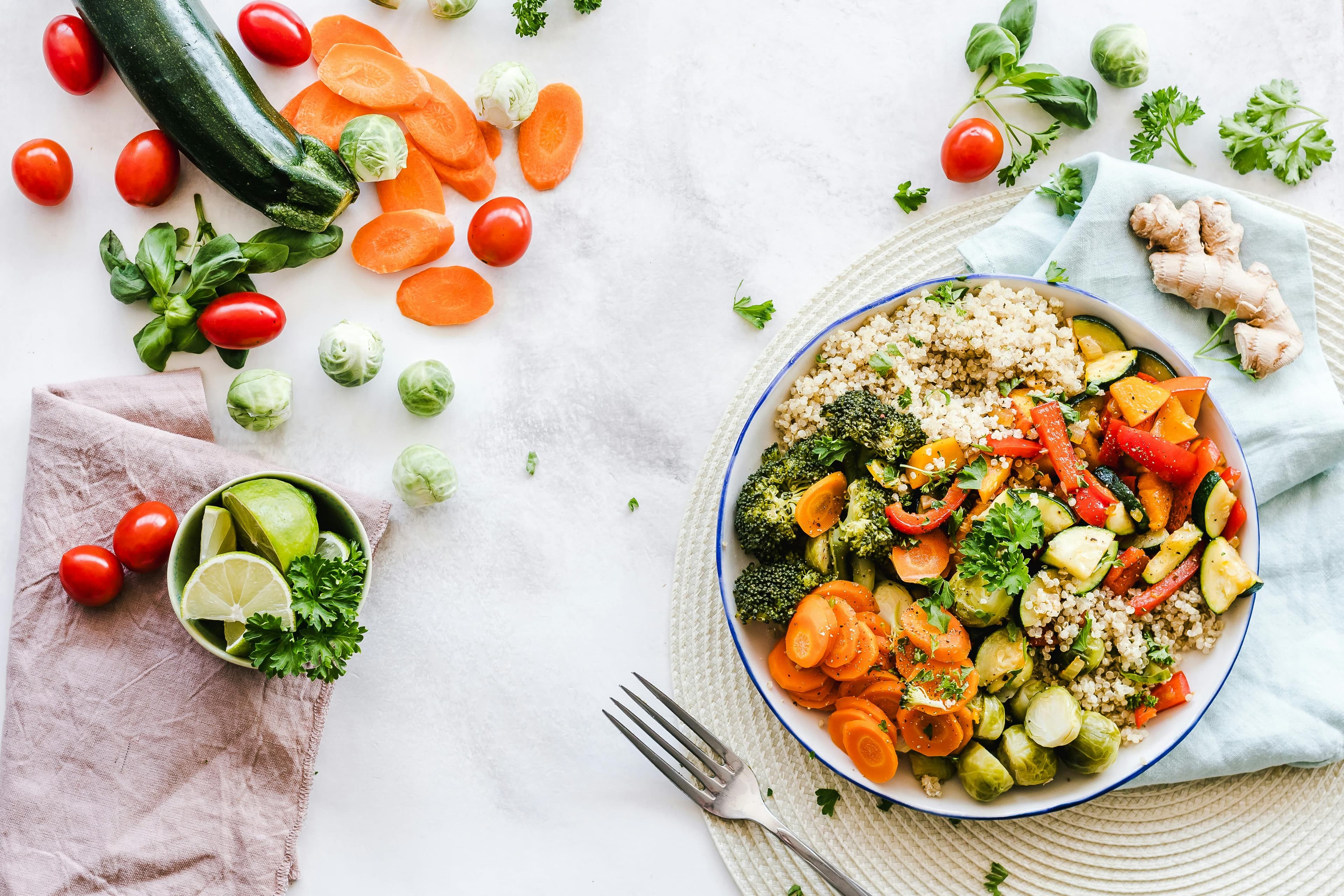
One of the biggest challenges of weight loss is **maintaining a calorie deficit without feeling hungry all the time**. The good news? It's absolutely possible. The secret lies in understanding **energy density** — the concept that some foods provide more volume and satiety per calorie than others. By choosing high-volume, low-calorie foods (vegetables, fruits, lean proteins), increasing protein intake (boosts satiety by 25%), prioritizing fiber, and using strategic meal timing, you can create a sustainable calorie deficit without constant hunger. This comprehensive guide provides 12 science-backed strategies to help you lose weight while feeling satisfied, not starved.
Key Takeaways
- ✓Energy density is key: eat high-volume, low-calorie foods (vegetables, fruits, lean protein)
- ✓Protein increases satiety by 25% — aim for 25-30g per meal
- ✓Fiber slows digestion and keeps you full longer (25-30g daily)
- ✓Water-rich foods (90% water) provide volume without calories
- ✓Eat slowly (20+ min per meal) — allows satiety signals to reach brain
Understanding Energy Density: The Key to Staying Full
Energy density is the number of calories in a given volume of food. It's the most important concept for maintaining a calorie deficit without hunger.
What Is Energy Density?
High energy density: Many calories in a small amount of food (oils, nuts, candy)
Low energy density: Few calories in a large amount of food (vegetables, fruits, lean protein)
Example comparison:
- Raisins (high energy density): 1 cup = 480 calories
- Grapes (low energy density): 1 cup = 104 calories
- Same volume, 4.6x difference in calories!
Why Energy Density Matters for Weight Loss
Your stomach has stretch receptors that signal fullness based on volume, not calories. By eating low-energy-dense foods, you can:
- Fill your stomach with fewer calories
- Trigger satiety signals without overeating
- Eat larger portions while staying in a deficit
- Feel satisfied and full, not deprived
The 3 Factors That Determine Energy Density
1. Water content (biggest factor)
Water adds volume and weight without calories. Foods with 80-90% water content are extremely filling:
- Cucumbers: 96% water, 16 cal per cup
- Watermelon: 92% water, 46 cal per cup
- Strawberries: 91% water, 49 cal per cup
- Broccoli: 89% water, 31 cal per cup
- Carrots: 88% water, 52 cal per cup
2. Fiber content
Fiber adds bulk and slows digestion, keeping you full longer:
- Vegetables: 2-5g fiber per cup
- Fruits: 3-8g fiber per serving
- Whole grains: 3-6g fiber per serving
- Legumes: 12-16g fiber per cup
3. Fat content
Fat is the most calorie-dense macronutrient (9 cal/g vs. 4 cal/g for protein and carbs):
- Butter: 100 cal per tablespoon
- Olive oil: 120 cal per tablespoon
- Nuts: 160-200 cal per ounce
- Avocado: 240 cal per avocado
Strategy: Minimize added fats, choose lean proteins, prioritize water-rich and fiber-rich foods.
💡 The energy density rule
Fill your plate with low-energy-dense foods first (vegetables, fruits, lean protein), then add small portions of higher-energy-dense foods (grains, healthy fats). This ensures you get volume and satiety before consuming calorie-dense foods.
Strategy #1: Prioritize High-Protein Foods
Protein is the most satiating macronutrient, increasing fullness by 25% compared to carbs and fats.
Why Protein Keeps You Full
- Increases satiety hormones: GLP-1, PYY, CCK
- Decreases hunger hormone: Ghrelin
- Higher thermic effect: Burns 20-30% of calories during digestion
- Preserves muscle mass: Prevents metabolic slowdown during weight loss
- Stabilizes blood sugar: Prevents energy crashes and cravings
How Much Protein Per Meal?
Target: 25-30g protein per meal for maximum satiety
Research shows satiety plateaus above 30g per meal, so spreading protein across meals is more effective than one large protein meal.
Best High-Protein, Low-Calorie Foods
| Food | Serving | Protein | Calories | Cal/g Protein |
|---|---|---|---|---|
| Chicken breast | 4 oz | 35g | 185 | 5.3 |
| Cod/tilapia | 4 oz | 28g | 110 | 3.9 |
| Greek yogurt (nonfat) | 6 oz | 18g | 100 | 5.6 |
| Egg whites | 4 whites | 14g | 68 | 4.9 |
| Cottage cheese (low-fat) | 1 cup | 28g | 180 | 6.4 |
| Shrimp | 4 oz | 24g | 120 | 5.0 |
| Turkey breast | 4 oz | 34g | 180 | 5.3 |
Practical tip: Start every meal with protein. Build your plate around a protein source (chicken, fish, eggs), then add vegetables and carbs.
Strategy #2: Fill Up on Vegetables
Vegetables are the ultimate low-energy-dense food — high volume, low calories, packed with fiber and water.
Why Vegetables Keep You Full
- High water content: 85-95% water
- High fiber: 2-5g per cup
- Low calories: 20-50 cal per cup
- Large volume: Fills your stomach and triggers stretch receptors
- Nutrient-dense: Vitamins, minerals, antioxidants
Best Vegetables for Satiety
| Vegetable | Calories (1 cup) | Fiber (g) | Water (%) |
|---|---|---|---|
| Cucumbers | 16 | 0.5 | 96 |
| Celery | 16 | 1.6 | 95 |
| Lettuce/salad greens | 10 | 1 | 95 |
| Zucchini | 20 | 1 | 94 |
| Tomatoes | 32 | 2 | 94 |
| Broccoli | 31 | 2.4 | 89 |
| Cauliflower | 25 | 2.5 | 92 |
| Bell peppers | 30 | 2.5 | 92 |
| Asparagus | 27 | 2.8 | 93 |
| Spinach | 7 | 0.7 | 91 |
How to Eat More Vegetables
- Fill half your plate with non-starchy vegetables at every meal
- Start meals with salad to fill up before higher-calorie foods
- Add to everything: Omelets, pasta, sandwiches, stir-fries
- Snack on raw veggies: Carrots, celery, bell peppers with hummus
- Bulk up meals: Add spinach to smoothies, zucchini to pasta sauce
- Use as volume: Cauliflower rice, zucchini noodles, spaghetti squash
Example: Replace 1 cup pasta (200 cal) with 1 cup zucchini noodles (20 cal) + 1/2 cup pasta (100 cal) = same volume, 100 fewer calories.
Strategy #3: Choose Whole Fruits Over Juice
Whole fruits are low in energy density due to water and fiber. Fruit juice is high in energy density (no fiber, concentrated sugar).
Whole Fruit vs. Juice Comparison
| Food | Calories | Fiber (g) | Satiety |
|---|---|---|---|
| 1 medium apple | 95 | 4.4 | High |
| 1 cup apple juice | 114 | 0.2 | Low |
| 1 medium orange | 62 | 3.1 | High |
| 1 cup orange juice | 112 | 0.5 | Low |
| 1 cup grapes | 104 | 1.4 | High |
| 1 cup grape juice | 152 | 0.3 | Low |
Best Fruits for Weight Loss
Choose fruits with high water and fiber content:
- Berries: Strawberries (49 cal/cup), blueberries (84 cal/cup), raspberries (64 cal/cup)
- Melons: Watermelon (46 cal/cup), cantaloupe (54 cal/cup)
- Citrus: Oranges (62 cal), grapefruit (52 cal)
- Apples: 95 cal, high fiber
- Pears: 100 cal, high fiber
Limit dried fruit: Raisins, dates, dried mango are calorie-dense (300-500 cal/cup) due to water removal.
Strategy #4: Eat High-Fiber Foods
Fiber is crucial for satiety — it slows digestion, stabilizes blood sugar, and keeps you full for hours.
How Fiber Keeps You Full
- Slows gastric emptying: Food stays in stomach longer
- Adds bulk: Increases stool volume and triggers fullness
- Stabilizes blood sugar: Prevents crashes and cravings
- Feeds gut bacteria: Produces short-chain fatty acids that signal satiety
- Absorbs water: Expands in stomach, increasing volume
Daily Fiber Target
Women: 25g per day
Men: 30-38g per day
Most people only get 15g per day — doubling fiber intake significantly improves satiety.
Best High-Fiber Foods
| Food | Serving | Fiber (g) | Calories |
|---|---|---|---|
| Lentils | 1 cup cooked | 16 | 230 |
| Black beans | 1 cup cooked | 15 | 227 |
| Chickpeas | 1 cup cooked | 12 | 269 |
| Raspberries | 1 cup | 8 | 64 |
| Pear | 1 medium | 6 | 100 |
| Oatmeal | 1 cup cooked | 4 | 166 |
| Quinoa | 1 cup cooked | 5 | 222 |
| Broccoli | 1 cup cooked | 5 | 55 |
| Chia seeds | 2 tbsp | 10 | 138 |
| Whole wheat bread | 2 slices | 6 | 160 |
Tip: Increase fiber gradually (add 5g per week) and drink plenty of water to avoid digestive discomfort.
Strategy #5: Drink Water Before and During Meals
Water increases satiety by filling your stomach and can reduce calorie intake by 13%.
Research on Water and Satiety
- Drinking 2 cups (500ml) before meals reduces calorie intake by 13%
- People who drink water before meals lose 44% more weight than those who don't
- Water preloading is especially effective for older adults (50+)
- Thirst is often mistaken for hunger — drinking water first can eliminate false hunger
How to Use Water for Satiety
- Drink 2 cups (16 oz) 30 minutes before meals
- Sip water throughout meals to slow eating pace
- Start your day with water (16 oz upon waking)
- Drink water when hungry — wait 20 minutes to see if hunger persists
- Aim for 0.5-1 oz per lb body weight (75-150 oz for 150 lb person)
- Choose water-rich foods: Soups, smoothies, fruits, vegetables
Water-Rich Foods for Extra Satiety
- Soups: Broth-based soups are 85-95% water, very filling
- Smoothies: Blend water-rich fruits with protein powder
- Oatmeal: Absorbs 3x its weight in water
- Yogurt: 85% water, high protein
- Cottage cheese: 80% water, high protein
Strategy #6: Eat Slowly and Mindfully
Eating slowly allows satiety signals to reach your brain, reducing calorie intake by 10-15%.
Why Eating Slowly Prevents Overeating
It takes 20 minutes for satiety hormones (GLP-1, PYY, CCK) to signal fullness to your brain. If you eat too fast, you consume excess calories before feeling full.
Research on Eating Speed
- Fast eaters consume 10-15% more calories than slow eaters
- Chewing each bite 30-40 times reduces calorie intake by 12%
- Taking 20+ minutes per meal increases satiety hormones by 25%
- Mindful eating (no distractions) reduces intake by 10%
How to Eat More Slowly
- Put fork down between bites — forces you to slow down
- Chew thoroughly — aim for 20-30 chews per bite
- Use smaller utensils — teaspoon instead of tablespoon
- Set a timer for 20 minutes — don't finish before timer
- Eat with non-dominant hand — makes eating more deliberate
- Remove distractions — no TV, phone, or computer
- Engage in conversation — natural pauses between bites
- Take sips of water — between bites to slow pace
Practical tip: Set a goal to be the last person finished at group meals. This naturally slows your eating pace.
Strategy #7: Choose Whole Grains Over Refined Grains
Whole grains contain fiber and digest slowly, keeping you full longer than refined grains.
Whole Grains vs. Refined Grains
| Grain Type | Fiber (g) | Calories | Satiety |
|---|---|---|---|
| White bread (2 slices) | 1 | 160 | Low |
| Whole wheat bread (2 slices) | 6 | 160 | High |
| White rice (1 cup) | 0.6 | 205 | Low |
| Brown rice (1 cup) | 3.5 | 218 | High |
| Regular pasta (1 cup) | 2.5 | 220 | Low |
| Whole wheat pasta (1 cup) | 6 | 174 | High |
Best Whole Grains for Satiety
- Oatmeal: 4g fiber per cup, absorbs water, very filling
- Quinoa: 5g fiber per cup, complete protein
- Brown rice: 3.5g fiber per cup
- Whole wheat bread: 3g fiber per slice
- Barley: 6g fiber per cup
- Bulgur: 8g fiber per cup
- Farro: 5g fiber per cup
Simple swaps: White bread → whole wheat, white rice → brown rice, regular pasta → whole wheat pasta.
Strategy #8: Include Lean Protein at Every Meal
Distributing protein across meals (vs. one large protein meal) maximizes satiety throughout the day.
Protein Distribution for Satiety
Optimal: 25-30g protein per meal, 3-4 meals per day
Suboptimal: 10g breakfast, 20g lunch, 80g dinner (same total, less satiety)
High-Protein Meal Ideas
Breakfast (30g protein):
- 3 eggs + 2 egg whites + vegetables (28g)
- Greek yogurt (18g) + protein powder (12g) + berries
- Protein smoothie: 1 scoop protein (24g) + milk (8g)
Lunch (30g protein):
- 5 oz chicken breast (35g) + salad
- Tuna salad (28g) + whole wheat bread
- 1.5 cups cottage cheese (28g) + fruit
Dinner (30g protein):
- 6 oz salmon (36g) + vegetables + quinoa
- 5 oz lean beef (35g) + sweet potato + broccoli
- Tofu stir-fry (20g) + edamame (12g)
Strategy #9: Use Smaller Plates and Bowls
Visual portion control — smaller plates make portions look larger, increasing perceived satiety.
The Delboeuf Illusion
The same portion looks larger on a small plate than a large plate, tricking your brain into feeling more satisfied.
Research on Plate Size
- Using 10" plates instead of 12" plates reduces intake by 22%
- Smaller bowls reduce cereal consumption by 16%
- Tall, narrow glasses reduce liquid calories by 25-30%
- People eat 92% of what they serve themselves regardless of hunger
Practical Tips
- Use 9-10" dinner plates instead of 12"
- Use smaller bowls for cereal, pasta, ice cream
- Use tall, narrow glasses for beverages
- Serve food on plates, not from pots/pans (prevents seconds)
- Fill plate once, don't go back for seconds immediately
Strategy #10: Don't Skip Meals
Skipping meals leads to extreme hunger and overeating later — the opposite of what you want.
Why Skipping Meals Backfires
- Increases ghrelin (hunger hormone) by 20-30%
- Decreases leptin (satiety hormone)
- Lowers blood sugar → energy crashes → cravings
- Triggers binge eating — you're too hungry to make rational choices
- Slows metabolism — body thinks you're starving
Optimal Meal Frequency
3-4 meals per day with 3-5 hours between meals works best for most people.
Example schedule:
- 7am: Breakfast (400 cal)
- 12pm: Lunch (450 cal)
- 3pm: Snack (150 cal)
- 7pm: Dinner (500 cal)
- Total: 1,500 calories, no extreme hunger
Note: Intermittent fasting works for some people, but requires adaptation. If you're constantly hungry, eat more frequently.
Strategy #11: Get Enough Sleep
Poor sleep increases hunger hormones by 15-20% and makes calorie deficits much harder to maintain.
How Sleep Affects Hunger
After one night of poor sleep (4-5 hours):
- Ghrelin (hunger hormone) increases 15%
- Leptin (satiety hormone) decreases 15%
- Cravings for high-calorie foods increase 30-40%
- Calorie intake increases 300-500 calories
- Self-control decreases — harder to resist temptation
Sleep Recommendations for Weight Loss
- Aim for 7-9 hours per night
- Consistent sleep schedule — same bedtime/wake time daily
- Dark, cool room (65-68°F optimal)
- No screens 1 hour before bed — blue light disrupts melatonin
- Avoid caffeine after 2pm
- Don't eat large meals 2-3 hours before bed
Bottom line: Prioritize sleep as much as diet and exercise. Poor sleep sabotages weight loss.
Strategy #12: Manage Stress
Chronic stress increases cortisol, which drives hunger and fat storage, especially belly fat.
How Stress Affects Hunger
- Cortisol increases appetite by 20-30%
- Triggers cravings for sugar and high-fat foods
- Promotes fat storage around the midsection
- Disrupts sleep → worsens hunger hormones
- Emotional eating — using food to cope with stress
Stress Management Strategies
- Exercise: Reduces cortisol by 20-30%
- Meditation: 10-20 minutes daily lowers stress hormones
- Deep breathing: 5 minutes of slow breathing calms nervous system
- Social connection: Talking to friends/family reduces stress
- Time in nature: 20 minutes outdoors lowers cortisol
- Adequate sleep: 7-9 hours prevents stress hormone spikes
- Limit caffeine: Excess caffeine increases cortisol
Identify stress eating triggers: Keep a journal to notice when stress drives eating. Find non-food coping mechanisms (walk, call friend, journal).
Sample Day: Calorie Deficit Without Hunger
Here's a sample 1,600-calorie day that keeps you full and satisfied:
Breakfast (400 calories, 30g protein)
- 3 eggs scrambled (210 cal, 18g protein)
- 1 cup spinach (7 cal)
- 1/2 cup mushrooms (8 cal)
- 1 slice whole wheat toast (80 cal, 4g protein)
- 1 cup strawberries (49 cal)
- 1 cup black coffee (2 cal)
Snack (150 calories, 15g protein)
- 6 oz nonfat Greek yogurt (100 cal, 18g protein)
- 1/2 cup blueberries (42 cal)
Lunch (450 calories, 35g protein)
- 5 oz grilled chicken breast (230 cal, 35g protein)
- Large salad: 3 cups mixed greens (30 cal)
- 1 cup cherry tomatoes (27 cal)
- 1 cup cucumber (16 cal)
- 2 tbsp balsamic vinegar (28 cal)
- 1 medium apple (95 cal)
Snack (150 calories, 10g protein)
- 1 cup carrots (52 cal)
- 3 tbsp hummus (100 cal, 3g protein)
Dinner (450 calories, 30g protein)
- 5 oz baked salmon (250 cal, 30g protein)
- 2 cups roasted broccoli (62 cal)
- 1/2 cup quinoa (111 cal)
- 1 tsp olive oil for cooking (40 cal)
Daily Totals
- Calories: 1,600
- Protein: 120g (30% of calories)
- Fiber: 35g
- Water-rich foods: 8+ cups of vegetables/fruits
- Meals: 3 main + 2 snacks
- Satiety: High — large volume, high protein, high fiber
Put This Into Practice — Free
Track your calories, macros, and nutrition with 2.3M+ verified foods. No account required, no subscription, no paywall — ever.
Frequently Asked Questions
How can I maintain a calorie deficit without feeling hungry?
Focus on energy density — eat high-volume, low-calorie foods (vegetables, fruits, lean protein). Prioritize protein (25-30g per meal), fiber (25-30g daily), and water-rich foods. Eat slowly (20+ min per meal), drink water before meals, and don't skip meals. These strategies fill you up with fewer calories, making deficits sustainable without constant hunger.
What foods keep you full in a calorie deficit?
Best foods for satiety: (1) Lean proteins (chicken, fish, Greek yogurt, eggs), (2) High-fiber foods (vegetables, fruits, whole grains, legumes), (3) Water-rich foods (cucumbers, watermelon, broth-based soups), (4) Whole grains (oatmeal, quinoa, brown rice). These foods provide volume and trigger fullness with fewer calories than processed, high-fat foods.
Why am I so hungry in a calorie deficit?
Common reasons: (1) Eating too few calories (below BMR), (2) Not enough protein (aim for 25-30g per meal), (3) Low fiber intake (need 25-30g daily), (4) Eating too fast (doesn't allow satiety signals to reach brain), (5) Poor sleep (increases hunger hormones 15-20%), (6) High stress (cortisol increases appetite), (7) Skipping meals (leads to extreme hunger later). Address these factors to reduce hunger.
How much protein do I need to stay full?
Aim for 25-30g protein per meal, 3-4 meals per day (total 100-120g daily for most people). Protein increases satiety by 25% compared to carbs and fats. Distribute protein across meals rather than one large protein meal — this maximizes satiety throughout the day. Best sources: chicken, fish, Greek yogurt, eggs, cottage cheese, lean beef.
Does drinking water help with hunger?
Yes, drinking 2 cups (16 oz) of water 30 minutes before meals reduces calorie intake by 13%. People who drink water before meals lose 44% more weight. Water fills your stomach, triggering stretch receptors that signal fullness. Thirst is often mistaken for hunger — drink water first, wait 20 minutes to see if hunger persists.
Should I eat more frequently to avoid hunger?
Yes, eating 3-4 meals per day (every 3-5 hours) prevents extreme hunger better than 1-2 large meals. Skipping meals increases ghrelin (hunger hormone) by 20-30% and triggers overeating later. However, total daily calories matter most — whether you eat 3 or 6 meals, stay in your calorie target. Choose a meal frequency you can sustain.
What is energy density and why does it matter?
Energy density is calories per volume of food. Low-energy-dense foods (vegetables, fruits, lean protein) have few calories in large portions, filling you up without excess calories. High-energy-dense foods (oils, nuts, candy) have many calories in small portions. Your stomach signals fullness based on volume, not calories. Eating low-energy-dense foods allows you to eat more volume while staying in a deficit.