High Protein Foods: 50+ Best Sources for Every Diet
By Daily Nutrition Tracker Editorial Team · Reviewed by nutrition professionals
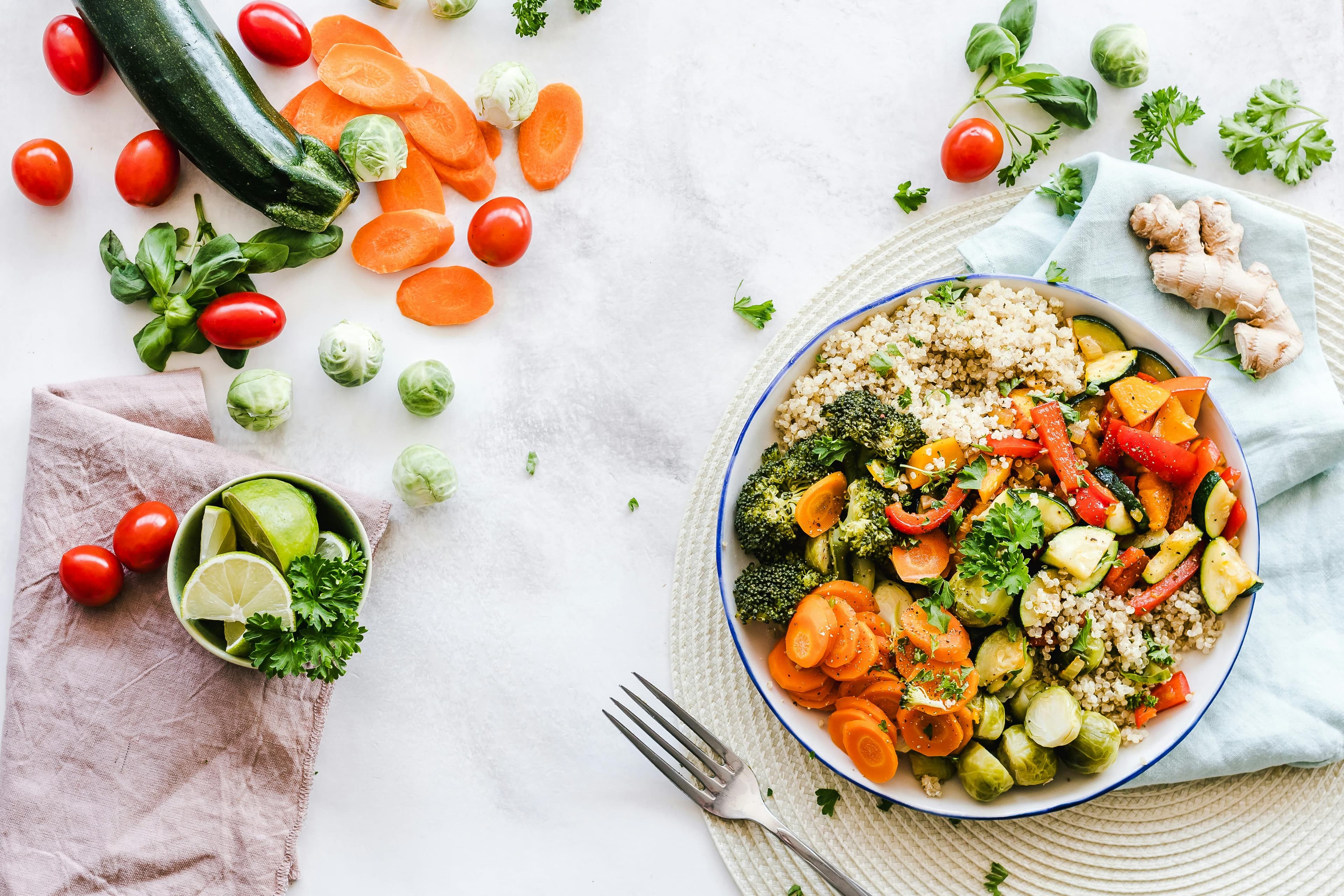
High protein foods are essential for building muscle, losing weight, and maintaining overall health. Whether you eat meat, follow a plant-based diet, or fall somewhere in between, knowing which foods are highest in protein helps you hit your daily protein targets efficiently. This comprehensive guide covers 50+ high protein foods across all categories — from animal sources like chicken and fish to plant-based options like lentils and tofu — with exact protein content per serving so you can plan your meals with confidence.
Key Takeaways
- ✓Animal proteins (meat, fish, dairy, eggs) are complete proteins with all essential amino acids
- ✓Plant proteins (beans, lentils, tofu, quinoa) are often incomplete but can be combined
- ✓Highest protein foods per 100g: chicken breast (31g), tuna (30g), Greek yogurt (10g)
- ✓Lean protein sources are best for weight loss (chicken, white fish, egg whites, low-fat dairy)
- ✓Aim to include protein at every meal for optimal muscle protein synthesis
What Makes a Food "High Protein"?
A food is considered high protein if it provides at least 10 grams of protein per serving or if 20% or more of its calories come from protein. The best high protein foods combine high protein content with quality nutrition — vitamins, minerals, and healthy fats — without excessive calories, saturated fat, or sodium.
Protein quality also matters:
- Complete proteins contain all 9 essential amino acids your body cannot make. These include all animal proteins (meat, fish, dairy, eggs) plus soy and quinoa.
- Incomplete proteins lack one or more essential amino acids. Most plant proteins are incomplete, but combining different plant sources (rice + beans, hummus + pita) provides all essential amino acids.
ℹ️ Protein per gram vs. protein per calorie
Some foods are high in protein per 100g but also high in calories (like nuts). Others are moderate in protein per 100g but very high in protein per calorie (like chicken breast). For weight loss, prioritize foods with high protein per calorie. For muscle building in a surplus, total protein grams matter most.
High Protein Animal Foods
Animal-based proteins are complete proteins and typically the most protein-dense foods available. Here are the best sources:
Poultry (Lean & High Protein)
| Food | Serving Size | Protein | Calories |
|---|---|---|---|
| Chicken breast (skinless) | 3 oz (85g) | 26g | 140 cal |
| Turkey breast (skinless) | 3 oz (85g) | 26g | 125 cal |
| Chicken thigh (skinless) | 3 oz (85g) | 22g | 180 cal |
| Ground turkey (93% lean) | 3 oz (85g) | 22g | 170 cal |
| Rotisserie chicken breast | 3 oz (85g) | 24g | 150 cal |
Why it's great: Chicken and turkey are among the leanest, most affordable protein sources. Chicken breast provides 31g of protein per 100g — one of the highest ratios available.
Fish & Seafood (Protein + Omega-3s)
| Food | Serving Size | Protein | Calories |
|---|---|---|---|
| Tuna (canned in water) | 3 oz (85g) | 22g | 100 cal |
| Salmon (wild-caught) | 3 oz (85g) | 22g | 175 cal |
| Cod | 3 oz (85g) | 20g | 90 cal |
| Shrimp | 3 oz (85g) | 20g | 85 cal |
| Tilapia | 3 oz (85g) | 21g | 110 cal |
| Halibut | 3 oz (85g) | 23g | 120 cal |
Why it's great: Fish provides high-quality protein plus heart-healthy omega-3 fatty acids (especially salmon, mackerel, and sardines). White fish like cod and tilapia are extremely lean.
Red Meat & Pork (Choose Lean Cuts)
| Food | Serving Size | Protein | Calories |
|---|---|---|---|
| Lean beef (95% lean) | 3 oz (85g) | 24g | 145 cal |
| Pork tenderloin | 3 oz (85g) | 22g | 120 cal |
| Bison | 3 oz (85g) | 24g | 150 cal |
| Venison | 3 oz (85g) | 26g | 135 cal |
| Lean ground beef (90% lean) | 3 oz (85g) | 22g | 185 cal |
💡 Choose lean cuts for weight loss
Opt for "loin" or "round" cuts (sirloin, tenderloin, eye of round) and ground meat that's 90% lean or higher. These provide the same protein as fattier cuts with far fewer calories and less saturated fat.
Dairy Products (Protein + Calcium)
| Food | Serving Size | Protein | Calories |
|---|---|---|---|
| Greek yogurt (nonfat) | 1 cup (227g) | 20g | 100 cal |
| Cottage cheese (low-fat) | 1 cup (226g) | 28g | 180 cal |
| Milk (skim) | 1 cup (240ml) | 8g | 80 cal |
| Cheese (cheddar) | 1 oz (28g) | 7g | 115 cal |
| Mozzarella (part-skim) | 1 oz (28g) | 7g | 70 cal |
| Protein yogurt (Icelandic) | 5.3 oz (150g) | 15-20g | 100-120 cal |
Why it's great: Greek yogurt and cottage cheese are protein powerhouses. Greek yogurt has 2x the protein of regular yogurt. Choose low-fat or nonfat versions for maximum protein per calorie.
Eggs (Complete Protein)
| Food | Serving Size | Protein | Calories |
|---|---|---|---|
| Whole egg (large) | 1 egg (50g) | 6g | 70 cal |
| Egg whites | 3 large whites | 11g | 50 cal |
| Egg white liquid | 1/2 cup (122g) | 13g | 60 cal |
Why it's great: Eggs are one of the most affordable, versatile protein sources. The yolk contains vitamins A, D, E, and healthy fats. Egg whites are pure protein with almost no calories.
High Protein Plant-Based Foods
Plant-based proteins are excellent for vegetarians, vegans, and anyone looking to diversify their protein sources. While most are incomplete proteins, they provide fiber, vitamins, and minerals that animal proteins lack.
Legumes (Beans, Lentils, Peas)
| Food | Serving Size | Protein | Calories |
|---|---|---|---|
| Lentils (cooked) | 1 cup (198g) | 18g | 230 cal |
| Black beans (cooked) | 1 cup (172g) | 15g | 225 cal |
| Chickpeas (cooked) | 1 cup (164g) | 15g | 270 cal |
| Edamame (cooked) | 1 cup (155g) | 17g | 190 cal |
| Kidney beans (cooked) | 1 cup (177g) | 15g | 225 cal |
| Split peas (cooked) | 1 cup (196g) | 16g | 230 cal |
Why it's great: Legumes provide protein plus fiber (10-15g per cup), which aids digestion and increases satiety. They're also extremely affordable and shelf-stable.
Soy Products (Complete Plant Protein)
| Food | Serving Size | Protein | Calories |
|---|---|---|---|
| Tofu (firm) | 1/2 cup (126g) | 20g | 180 cal |
| Tempeh | 1/2 cup (83g) | 15g | 160 cal |
| Edamame (see above) | 1 cup (155g) | 17g | 190 cal |
| Soy milk (unsweetened) | 1 cup (240ml) | 7g | 80 cal |
| Textured vegetable protein | 1/4 cup dry (24g) | 12g | 80 cal |
Why it's great: Soy is the only plant protein that's complete (contains all 9 essential amino acids). Tofu is incredibly versatile and absorbs flavors well.
Nuts & Seeds (Protein + Healthy Fats)
| Food | Serving Size | Protein | Calories |
|---|---|---|---|
| Almonds | 1 oz (28g) | 6g | 165 cal |
| Peanuts | 1 oz (28g) | 7g | 165 cal |
| Peanut butter | 2 tbsp (32g) | 8g | 190 cal |
| Pumpkin seeds | 1 oz (28g) | 9g | 160 cal |
| Chia seeds | 2 tbsp (28g) | 5g | 140 cal |
| Hemp seeds | 3 tbsp (30g) | 10g | 170 cal |
⚠️ Watch portion sizes with nuts
Nuts and seeds are calorie-dense (160-200 cal per ounce). They're great for healthy fats and protein, but easy to overeat. Measure portions carefully if you're tracking calories for weight loss.
Whole Grains (Moderate Protein)
| Food | Serving Size | Protein | Calories |
|---|---|---|---|
| Quinoa (cooked) | 1 cup (185g) | 8g | 220 cal |
| Oats (dry) | 1/2 cup (40g) | 5g | 150 cal |
| Whole wheat bread | 2 slices | 8g | 160 cal |
| Whole wheat pasta (cooked) | 1 cup (140g) | 8g | 175 cal |
| Brown rice (cooked) | 1 cup (195g) | 5g | 215 cal |
Why it's great: Quinoa is a complete protein and provides 8g per cup. Whole grains also supply fiber, B vitamins, and sustained energy.
Vegetables (Surprising Protein Sources)
| Food | Serving Size | Protein | Calories |
|---|---|---|---|
| Broccoli (cooked) | 1 cup (156g) | 4g | 55 cal |
| Spinach (cooked) | 1 cup (180g) | 5g | 40 cal |
| Brussels sprouts (cooked) | 1 cup (156g) | 4g | 55 cal |
| Green peas (cooked) | 1 cup (160g) | 9g | 135 cal |
| Asparagus (cooked) | 1 cup (180g) | 5g | 40 cal |
While vegetables aren't primary protein sources, they contribute 3-5g per serving and are extremely low in calories, making them excellent for volume eating during weight loss.
High Protein Snacks & Convenience Foods
These portable, convenient options make hitting your protein target easier:
| Food | Serving Size | Protein | Calories |
|---|---|---|---|
| Protein powder (whey) | 1 scoop (30g) | 20-25g | 110-130 cal |
| Protein powder (plant-based) | 1 scoop (30g) | 15-20g | 110-130 cal |
| Protein bar | 1 bar (60g) | 15-20g | 180-220 cal |
| Beef jerky | 1 oz (28g) | 9g | 70 cal |
| String cheese | 1 stick (28g) | 7g | 80 cal |
| Hard-boiled eggs | 2 large eggs | 12g | 140 cal |
| Tuna packet (flavored) | 2.6 oz pouch | 17g | 90 cal |
💡 Protein powder isn't required
Protein powder is a convenient supplement, not a necessity. You can meet all your protein needs through whole foods. However, protein powder is cost-effective ($0.50-1 per serving) and convenient for post-workout nutrition or filling gaps in your daily intake.
How to Choose the Best High Protein Foods for Your Goals
For Weight Loss: Prioritize Lean Proteins
Choose foods with the highest protein-to-calorie ratio:
- Best choices: Chicken breast, white fish (cod, tilapia), tuna, shrimp, egg whites, Greek yogurt (nonfat), cottage cheese (low-fat)
- Why: These provide 20-30g protein per serving with minimal fat and calories
- Limit: Fatty cuts of meat, full-fat dairy, nuts (save for small portions)
For Muscle Building: Total Protein Matters Most
Focus on hitting your total daily protein target (0.7-1g per pound of bodyweight):
- Best choices: All lean meats, fish, eggs (whole), Greek yogurt, cottage cheese, protein powder
- Why: You're in a calorie surplus, so you can include moderate-fat protein sources
- Tip: Spread protein across 3-4 meals (20-40g per meal) for optimal muscle protein synthesis
For Plant-Based Diets: Combine Protein Sources
Most plant proteins are incomplete, so variety is key:
- Complete plant proteins: Soy (tofu, tempeh, edamame), quinoa
- Complementary combinations: Rice + beans, hummus + pita, peanut butter + whole wheat bread
- High-protein plants: Lentils (18g/cup), chickpeas (15g/cup), hemp seeds (10g/3 tbsp)
For Budget-Conscious Eating
The most affordable high protein foods per dollar:
- Eggs ($0.15-0.30 per egg, 6g protein)
- Canned tuna ($0.80-1.50 per can, 22g protein)
- Dried lentils/beans ($1-2 per pound dry, 15-18g per cooked cup)
- Chicken thighs ($1.50-3 per pound, cheaper than breast)
- Greek yogurt (store brand) ($4-6 per quart, 20g per cup)
- Protein powder ($0.50-1 per serving, 20-25g protein)
Sample High Protein Meal Plan (150g Protein)
Here's how to hit 150g of protein per day using a variety of high protein foods:
| Meal | Foods | Protein |
|---|---|---|
| Breakfast | 3 eggs + 2 egg whites, 1 cup Greek yogurt, 1/2 cup oats | 40g |
| Snack | 1 oz almonds, 1 apple | 6g |
| Lunch | 6 oz grilled chicken breast, 1 cup quinoa, mixed greens | 50g |
| Snack | Protein shake (1 scoop whey + 1 cup milk) | 30g |
| Dinner | 5 oz salmon, 1 cup broccoli, 1 cup brown rice | 35g |
| Total | — | 161g |
This plan provides 161g of protein spread across 5 eating occasions, optimizing muscle protein synthesis throughout the day.
Common Mistakes When Eating High Protein Foods
- Only eating protein at dinner. Spread protein across all meals for better muscle protein synthesis and satiety.
- Ignoring protein quality. Processed meats (hot dogs, deli meat) are high in protein but also high in sodium and preservatives. Choose whole food sources.
- Forgetting plant proteins. Even meat-eaters benefit from beans, lentils, and tofu for fiber and nutrient diversity.
- Not tracking portions. "Eyeballing" protein portions often leads to underestimating. Use a food scale for 1-2 weeks to learn proper portions.
- Choosing high-fat protein sources during a cut. Bacon, sausage, and fatty ground beef provide protein but also excessive calories from fat.
Put This Into Practice — Free
Track your calories, macros, and nutrition with 2.3M+ verified foods. No account required, no subscription, no paywall — ever.
Frequently Asked Questions
What foods are highest in protein?
The foods highest in protein per 100g are chicken breast (31g), tuna (30g), turkey breast (29g), lean beef (26g), and cottage cheese (11g). For plant-based options, tofu (16g per 100g), lentils (9g per 100g cooked), and tempeh (18g per 100g) are the highest.
What are the best high protein foods for weight loss?
The best high protein foods for weight loss are lean sources with high protein-to-calorie ratios: chicken breast, white fish (cod, tilapia), tuna, shrimp, egg whites, nonfat Greek yogurt, and cottage cheese. These provide 20-30g protein per serving with minimal fat and calories.
How can I get 100g of protein a day?
To get 100g of protein daily, include protein at every meal: breakfast (3 eggs + Greek yogurt = 25g), lunch (6 oz chicken breast = 40g), snack (protein shake = 20g), dinner (5 oz fish = 25g). This totals 110g protein spread across the day.
What are good high protein snacks?
High protein snacks include Greek yogurt (20g per cup), hard-boiled eggs (6g each), string cheese (7g per stick), beef jerky (9g per oz), protein bars (15-20g), cottage cheese (14g per 1/2 cup), and protein shakes (20-25g per scoop).
Are plant-based proteins as good as animal proteins?
Plant proteins are nutritious but most are incomplete (lacking some essential amino acids). Animal proteins are complete and more easily absorbed. However, combining plant proteins (rice + beans, hummus + pita) provides all essential amino acids. Soy and quinoa are complete plant proteins.
What is the cheapest high protein food?
The cheapest high protein foods are eggs ($0.15-0.30 per egg, 6g protein), dried beans and lentils ($1-2 per pound dry, 15-18g per cooked cup), canned tuna ($0.80-1.50 per can, 22g), and chicken thighs ($1.50-3 per pound). Protein powder is also cost-effective at $0.50-1 per 20-25g serving.
Can you eat too much protein?
For healthy individuals, protein intake up to 1.5-2g per pound of bodyweight is safe. However, going above 1g/lb provides no additional benefits for muscle building or weight loss. Extremely high protein (>35% of calories) can displace other important nutrients and may stress kidneys in people with existing kidney disease.
Free Calculators
Related Articles
Macros & Protein
How Much Protein Per Day Do You Really Need?
Now that you know the best protein sources, learn exactly how much you should eat daily.
Macros & Protein
How to Calculate Macros for Your Goals
Learn how to balance protein with carbs and fats for optimal results.
Macros & Protein
Protein Per Pound of Body Weight: The Complete Guide
Understand the science behind protein requirements based on your bodyweight.