Why Am I Not Losing Weight? 14 Common Reasons & Solutions
By Daily Nutrition Tracker Editorial Team · Reviewed by nutrition professionals
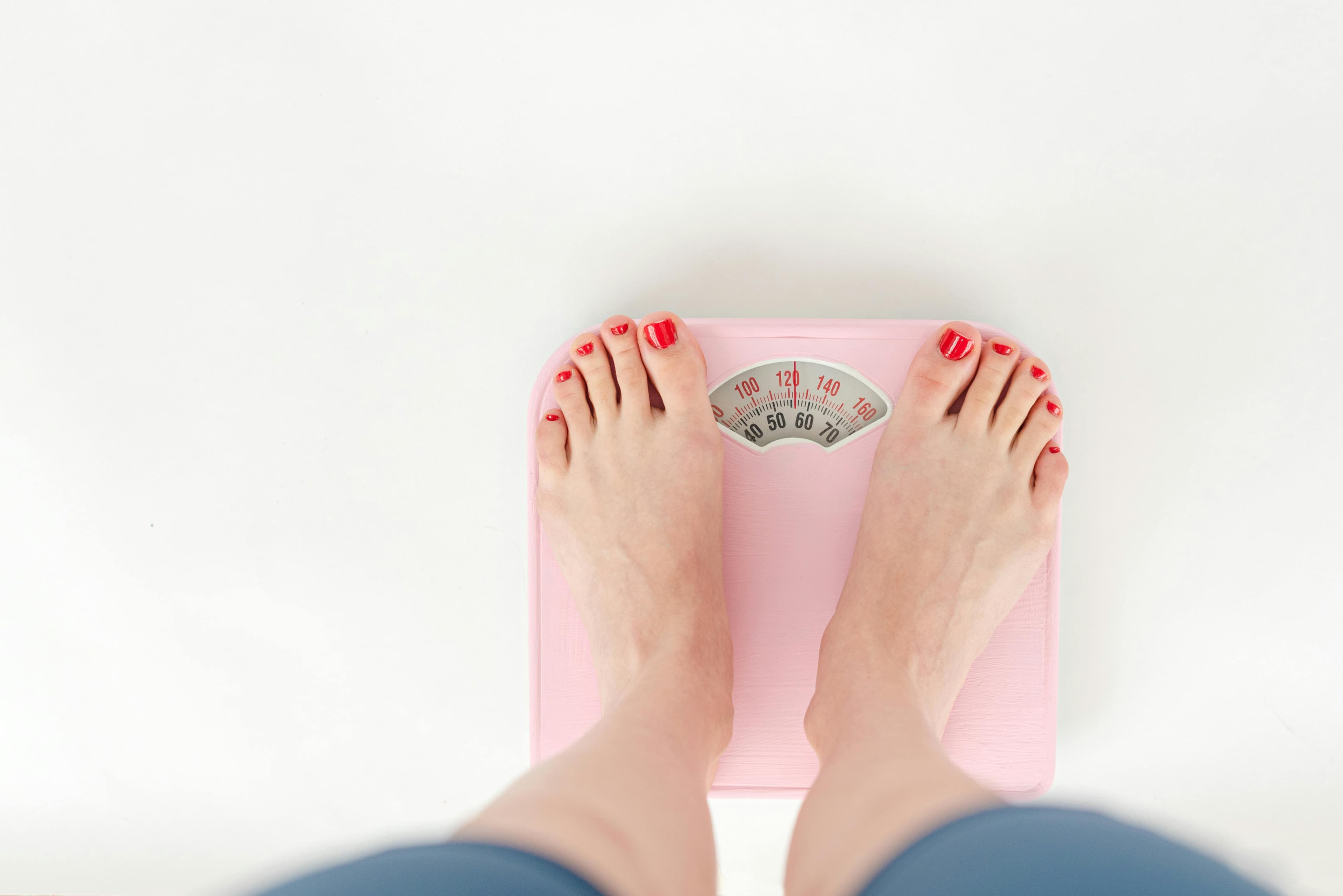
You've been eating healthy, exercising regularly, and doing everything "right" — but the scale won't budge. This frustrating experience affects approximately **85% of people trying to lose weight**. Weight loss plateaus are not only common, they're a normal physiological response to calorie restriction. Your body is incredibly adaptive and fights to maintain its current weight through metabolic adjustments, hormonal changes, and increased hunger signals. Understanding why you're not losing weight is the first step to breaking through the plateau. This guide explores 14 evidence-based reasons for weight loss stalls and provides actionable solutions to get your progress back on track.
Key Takeaways
- ✓Weight loss plateaus affect 85% of dieters and typically occur 6 months after starting a diet
- ✓Metabolic adaptation reduces your resting metabolic rate by 10-15% during weight loss, requiring fewer calories
- ✓Hidden calories from portion creep, liquid calories, and "healthy" foods can sabotage weight loss
- ✓Medical conditions (hypothyroidism, PCOS, medications) and poor sleep can prevent weight loss
- ✓Most people lose fat without realizing it — muscle gain and water retention can mask fat loss on the scale
Understanding Weight Loss Plateaus
A weight loss plateau occurs when your weight stops changing despite continuing your diet and exercise routine. This is one of the most common and frustrating experiences in weight loss.
How Common Are Weight Loss Plateaus?
Research shows that:
- 85% of dieters experience a weight loss plateau
- Plateaus typically occur 6 months after starting a weight loss program
- Only 10-20% of people maintain weight loss beyond 24 weeks
- The average person regains 96% of lost weight over time without intervention
Why Weight Loss Isn't Linear
Weight loss is not a straight line. Your weight fluctuates daily due to:
- Water retention (2-5 lbs variation)
- Food in digestive system (1-3 lbs)
- Glycogen stores (1-2 lbs with water)
- Hormonal fluctuations (especially in women)
- Sodium intake affecting water balance
- Exercise-induced inflammation and muscle repair
ℹ️ Normal weight fluctuations
Your weight can fluctuate 2-5 lbs daily due to water, food, and hormones. A "plateau" is only real if the scale hasn't moved for 4-6 weeks, not just a few days. Track weekly averages instead of daily weights.
1. You're Losing Fat Without Realizing It (Body Recomposition)
The scale might not be moving, but you could still be losing fat and gaining muscle simultaneously — a process called body recomposition.
Why the Scale Doesn't Tell the Whole Story
Muscle is denser than fat. You can lose fat, gain muscle, and weigh the same — but look leaner and feel stronger.
Signs you're losing fat despite stable weight:
- Clothes fit looser, especially around waist
- Measurements decreasing (waist, hips, thighs)
- Body looks more toned and defined
- Strength increasing in workouts
- Energy levels improving
- Progress photos show visible changes
Better Ways to Track Progress
| Measurement Method | How Often | Why It Matters |
|---|---|---|
| Scale Weight | Weekly average | Shows overall trend, not daily fluctuations |
| Waist Circumference | Monthly | Best indicator of visceral fat loss |
| Body Fat % | Monthly | Shows fat vs. muscle changes |
| Progress Photos | Every 2 weeks | Visual proof of body composition changes |
| How Clothes Fit | Ongoing | Real-world indicator of size changes |
| Strength/Performance | Weekly | Shows muscle gain and fitness improvements |
💡 Focus on non-scale victories
If you've started exercising (especially strength training) and eating high protein, you may be building muscle while losing fat. This is ideal for health but won't show on the scale. Measure your waist circumference monthly — it's the best indicator of fat loss.
2. Metabolic Adaptation (Your Metabolism Has Slowed Down)
When you lose weight, your body adapts by burning fewer calories — a phenomenon called metabolic adaptation or adaptive thermogenesis. This is the primary reason weight loss plateaus occur.
How Metabolic Adaptation Works
As you lose weight:
- Smaller body = fewer calories burned — A 150 lb person burns fewer calories than a 200 lb person
- Resting metabolic rate decreases 10-15% beyond what's expected from weight loss alone
- Muscle loss — You lose some muscle along with fat, reducing calorie burn
- Hormonal changes — Leptin (fullness hormone) decreases, ghrelin (hunger hormone) increases
- Increased metabolic efficiency — Your body becomes better at conserving energy
The Math of Metabolic Adaptation
Example: You start at 200 lbs eating 1,800 calories/day and lose 30 lbs over 6 months.
- At 200 lbs: Your TDEE was 2,300 calories. Eating 1,800 = 500 calorie deficit
- At 170 lbs: Your TDEE is now 2,100 calories (smaller body)
- With metabolic adaptation: Your TDEE drops to 1,850 calories (10% adaptation)
- Result: Eating 1,800 calories = only 50 calorie deficit instead of 500
Your deficit shrinks from 500 to 50 calories, slowing weight loss dramatically.
Solutions for Metabolic Adaptation
- Recalculate your calorie needs using your current weight (not starting weight)
- Increase protein intake to preserve muscle mass (0.7-1g per lb body weight)
- Add strength training to build/maintain muscle and boost metabolism
- Take diet breaks — Eat at maintenance for 1-2 weeks every 8-12 weeks
- Increase daily movement (NEAT) — walk more, take stairs, stay active
- Be patient — Smaller deficits mean slower but more sustainable weight loss
3. You're Eating More Than You Think (Hidden Calories)
The most common reason for weight loss stalls is underestimating calorie intake. Studies show people underestimate their food intake by 20-50% on average.
Common Sources of Hidden Calories
Portion creep: Portions gradually increase over time without you noticing.
- 1 tablespoon peanut butter becomes 2-3 tablespoons (+200 calories)
- 4 oz chicken breast becomes 6-8 oz (+100-200 calories)
- "A handful" of nuts becomes 2-3 handfuls (+300-400 calories)
- Cooking oils and butter add up (1 tablespoon = 120 calories)
Liquid calories: Drinks don't trigger fullness like solid food.
| Beverage | Calories | Hidden Sugars |
|---|---|---|
| Starbucks Latte (16 oz) | 190-250 | 19-25g sugar |
| Smoothie (store-bought) | 300-500 | 40-60g sugar |
| Orange Juice (12 oz) | 165 | 33g sugar |
| Sweet Tea (16 oz) | 120-180 | 30-45g sugar |
| Protein Shake (with milk) | 200-300 | Varies |
| Wine (5 oz glass) | 120-130 | 1-4g sugar |
"Healthy" foods that are calorie-dense:
- Nuts and nut butters (160-200 calories per oz)
- Avocado (240 calories per whole avocado)
- Olive oil (120 calories per tablespoon)
- Granola (400-600 calories per cup)
- Trail mix (150-200 calories per 1/4 cup)
- Dried fruit (concentrated sugar and calories)
Solutions for Hidden Calories
- Track everything for 1 week — Use a food scale and measure portions
- Weigh calorie-dense foods — Especially nuts, oils, cheese, nut butters
- Log cooking oils and condiments — They add up quickly
- Count liquid calories — Coffee drinks, smoothies, alcohol, juice
- Photograph your meals — Visual tracking increases awareness
- Avoid "BLTs" — Bites, licks, and tastes while cooking (can add 200+ calories)
⚠️ The 500-calorie gap
Small tracking errors add up: 2 tbsp peanut butter instead of 1 (+100 cal), extra cooking oil (+120 cal), larger chicken portion (+150 cal), handful of nuts (+150 cal) = 520 calories. This eliminates a 500-calorie deficit entirely.
4. You're Not Eating Enough Protein
Protein is the most important macronutrient for weight loss. Low protein intake can stall weight loss and cause muscle loss.
Why Protein Matters for Weight Loss
- Increases satiety — Protein keeps you fuller longer than carbs or fat
- Preserves muscle mass — Prevents muscle loss during calorie deficit
- Higher thermic effect — Burns 20-30% of protein calories during digestion (vs. 5-10% for carbs/fat)
- Reduces appetite hormones — Decreases ghrelin (hunger hormone)
- Prevents weight regain — High protein helps maintain weight loss long-term
How Much Protein Do You Need?
| Goal | Protein Intake | Example (150 lb person) |
|---|---|---|
| Minimum (sedentary) | 0.36g per lb | 54g per day |
| Weight loss (active) | 0.7-1.0g per lb | 105-150g per day |
| Muscle preservation | 0.8-1.0g per lb | 120-150g per day |
| Muscle building | 1.0-1.2g per lb | 150-180g per day |
High-Protein Food Examples
To get 30g protein per meal:
- 4 oz chicken breast (35g protein)
- 5 oz salmon (30g protein)
- 1 cup Greek yogurt (20g) + 1 scoop protein powder (20g)
- 4 eggs (24g) + 1 oz cheese (7g)
- 6 oz lean ground beef (30g)
- 1.5 cups cottage cheese (30g)
Solution: Aim for 0.7-1.0g protein per pound of body weight. Eat protein at every meal (30-40g per meal) to preserve muscle and stay full.
5. You're Not Sleeping Enough
Poor sleep is one of the biggest risk factors for obesity and can completely stall weight loss. Studies show that inadequate sleep increases hunger, cravings, and calorie intake.
How Sleep Affects Weight Loss
When you don't get enough sleep (less than 7 hours):
- Ghrelin increases 15% — Hunger hormone makes you hungrier
- Leptin decreases 15% — Fullness hormone makes you less satisfied
- Cortisol increases — Stress hormone promotes fat storage
- Insulin sensitivity decreases — Body stores more fat
- Cravings increase — Especially for high-carb, high-sugar foods
- Energy decreases — Less likely to exercise or move
- Willpower decreases — Harder to resist temptations
Research on Sleep and Weight Loss
Study findings:
- People who sleep less than 7 hours consume 300-400 more calories the next day
- Sleep-deprived dieters lose 55% less fat compared to well-rested dieters (same calorie deficit)
- Short sleep duration is associated with 89% increased obesity risk in children and 55% in adults
- Shift workers who disrupt circadian rhythm have higher obesity rates
Sleep Recommendations
| Age Group | Recommended Sleep | Minimum for Weight Loss |
|---|---|---|
| Adults (18-64) | 7-9 hours | 7 hours |
| Older Adults (65+) | 7-8 hours | 7 hours |
| Teenagers (14-17) | 8-10 hours | 8 hours |
| Children (6-13) | 9-11 hours | 9 hours |
Solutions: Prioritize 7-9 hours of sleep nightly. Create a consistent sleep schedule, avoid screens 1 hour before bed, keep bedroom cool and dark, and limit caffeine after 2 PM.
6. You Have a Medical Condition or Medication Issue
Certain medical conditions and medications can make weight loss extremely difficult or cause weight gain despite your best efforts.
Medical Conditions That Affect Weight Loss
| Condition | How It Affects Weight | Prevalence |
|---|---|---|
| Hypothyroidism | Slows metabolism by 10-20% | 5% of US population |
| PCOS | Insulin resistance, hormonal imbalance | 10% of women |
| Cushing's Syndrome | Excess cortisol promotes fat storage | Rare |
| Sleep Apnea | Disrupts hormones, increases hunger | 25% of adults |
| Depression | Decreased activity, medication side effects | 8% of adults |
| Insulin Resistance | Difficulty using glucose, stores as fat | 30-40% of adults |
Medications That Cause Weight Gain
Common medications that can cause 5-20 lbs weight gain:
- Antidepressants — SSRIs, tricyclics (Prozac, Zoloft, Paxil)
- Antipsychotics — Olanzapine, clozapine, risperidone
- Mood stabilizers — Lithium, valproate
- Diabetes medications — Insulin, sulfonylureas, thiazolidinediones
- Beta-blockers — Propranolol, metoprolol (for blood pressure)
- Corticosteroids — Prednisone, cortisone
- Antihistamines — Some allergy medications
- Birth control — Some hormonal contraceptives
What to Do
- Get thyroid tested — TSH, Free T3, Free T4 (especially if fatigued, cold, constipated)
- Screen for PCOS — If irregular periods, acne, excess hair growth
- Review medications — Ask doctor about weight-neutral alternatives
- Test for sleep apnea — If snoring, daytime fatigue, morning headaches
- Check fasting insulin and glucose — Screen for insulin resistance
- Don't stop medications — Always consult your doctor before changing
⚠️ When to see a doctor
If you're eating in a calorie deficit, exercising regularly, sleeping well, and still not losing weight after 6-8 weeks, consult your doctor. Medical conditions like hypothyroidism or PCOS may require treatment before weight loss can occur.
7. You're Not Exercising Enough (or Exercising Too Much)
Exercise is important for health, but the relationship between exercise and weight loss is more complex than "more exercise = more weight loss."
Not Enough Exercise
Exercise helps weight loss by:
- Burning additional calories (200-600 per session)
- Preserving muscle mass during calorie deficit
- Increasing metabolic rate for 24-48 hours post-workout
- Improving insulin sensitivity
- Reducing stress and improving mood
- Increasing NEAT (non-exercise activity thermogenesis)
Minimum recommendations: 150 minutes moderate cardio + 2 strength sessions per week. For weight loss: 300+ minutes per week is more effective.
Too Much Exercise (Overtraining)
Excessive exercise can backfire:
- Increased hunger — Exercise stimulates appetite, leading to overeating
- Decreased NEAT — You move less throughout the day to compensate
- Elevated cortisol — Chronic stress hormone promotes fat storage
- Metabolic adaptation — Body becomes more efficient, burns fewer calories
- Injury and burnout — Unsustainable long-term
- Overestimating calories burned — Fitness trackers often overestimate by 20-30%
The Exercise Compensation Problem
Example: You burn 400 calories in a workout, then:
- Eat a post-workout snack (300 calories) — "I earned it"
- Move less the rest of the day (sit more, less fidgeting) — minus 150 calories
- Net calorie burn: 400 - 300 - 150 = -50 calories (you're worse off!)
Solution: Exercise 4-5 days per week (mix of cardio and strength training). Don't use exercise as an excuse to eat more. Focus on diet for weight loss, exercise for health and muscle preservation.
8. You're Drinking Too Many Liquid Calories
Liquid calories don't trigger the same fullness signals as solid food, making it easy to consume hundreds of extra calories without feeling satisfied.
Common Liquid Calorie Culprits
| Beverage | Serving | Calories | Daily Impact |
|---|---|---|---|
| Starbucks Frappuccino | 16 oz | 400-500 | 2,800-3,500/week |
| Orange Juice | 16 oz (2 cups) | 220 | 1,540/week |
| Soda | 20 oz bottle | 240 | 1,680/week |
| Wine | 2 glasses (10 oz) | 250 | 1,750/week |
| Beer | 2 bottles (24 oz) | 300 | 2,100/week |
| Sweetened Iced Tea | 20 oz | 180 | 1,260/week |
| Protein Shake (with milk) | 16 oz | 250-300 | 1,750-2,100/week |
The problem: Your brain doesn't compensate for liquid calories by reducing food intake. Drinking 300 calories doesn't make you eat 300 fewer calories at your next meal.
Alcohol and Weight Loss
Alcohol has 7 calories per gram (almost as much as fat at 9 calories per gram):
- Provides calories but no nutrients ("empty calories")
- Inhibits fat burning — your body prioritizes metabolizing alcohol
- Increases appetite and reduces willpower
- Often consumed with high-calorie mixers or snacks
- Disrupts sleep quality, affecting hormones
Solution: Replace sugary drinks with water, black coffee, unsweetened tea, or sparkling water. Limit alcohol to 1-2 drinks per week. If drinking, choose spirits with zero-calorie mixers.
9. You're Eating Too Often (Constant Snacking)
The myth that "eating 6 small meals boosts metabolism" has been debunked. Frequent eating can actually increase total calorie intake without providing benefits.
Why Frequent Eating Can Prevent Weight Loss
- Meal frequency doesn't affect metabolism — Total calories matter, not timing
- Snacks add up — 3-4 snacks at 150-200 calories each = 450-800 extra calories
- Constant insulin elevation — Prevents fat burning between meals
- Mindless eating — Snacking while distracted leads to overconsumption
- Never truly hungry — Miss natural hunger/fullness cues
The Case for Fewer, Larger Meals
Research shows that eating 2-3 larger meals may be better for weight loss than 5-6 small meals:
- Easier to track total calories
- More satisfying meals (better adherence)
- Longer fasting periods allow fat burning
- Reduced decision fatigue (fewer food decisions)
- Lower insulin levels between meals
Intermittent Fasting as a Solution
Intermittent fasting (IF) restricts eating to specific time windows:
- 16:8 method — Eat within 8-hour window (e.g., 12 PM - 8 PM)
- 5:2 method — Eat normally 5 days, restrict to 500-600 calories 2 days
- OMAD — One meal a day (advanced)
- Makes calorie restriction easier by limiting eating window
- Not magic — works by reducing total calorie intake
Solution: Limit snacking to 1-2 planned snacks per day (if needed). Choose high-protein, high-fiber snacks. Consider eating 2-3 larger meals instead of constant grazing.
10. You're Not Drinking Enough Water
Drinking water can boost metabolism, reduce appetite, and support weight loss. Dehydration can also be mistaken for hunger.
How Water Helps Weight Loss
- Boosts metabolism 24-30% for 1-1.5 hours after drinking 17 oz (500 mL)
- Reduces appetite when consumed before meals
- Burns extra calories — Body expends energy warming water to body temperature
- Prevents dehydration-induced hunger — Thirst often mistaken for hunger
- Supports exercise performance — Better workouts burn more calories
- Aids digestion and waste removal — Prevents constipation and bloating
Research on Water and Weight Loss
Study findings:
- Drinking 17 oz (500 mL) water before each meal led to 44% more weight loss over 12 weeks
- Drinking 68 oz (2 liters) per day burns an extra 96 calories from thermogenesis
- Replacing sugary drinks with water resulted in 5.15% average weight loss in meta-analysis
- Drinking water before meals reduces calorie intake by 75-90 calories per meal
Solution: Drink 16-20 oz (500-600 mL) of water 30 minutes before each meal. Aim for half your body weight in ounces daily (150 lbs = 75 oz water). Use our Water Calculator to determine your needs.
11. You're Not Eating Whole Foods (Too Many Processed Foods)
Food quality matters as much as quantity. Processed foods are engineered to be hyper-palatable, making you eat more calories without feeling full.
The Processed Food Problem
A 2019 study found that people eating ultra-processed foods consumed 500 more calories per day compared to eating whole foods — even when both diets had the same calories, sugar, fat, and fiber available.
Why processed foods cause overeating:
- Engineered for overconsumption — Optimized for "bliss point" of salt, sugar, fat
- Low satiety — Don't trigger fullness signals effectively
- Easy to eat quickly — Soft texture requires less chewing
- High calorie density — Many calories in small volume
- Addictive properties — Trigger dopamine release like drugs
- Low fiber and protein — Missing the most filling nutrients
Whole Foods vs. Processed Foods
| Processed Food | Calories | Whole Food Alternative | Calories |
|---|---|---|---|
| Granola (1 cup) | 600 | Oatmeal (1 cup cooked) | 150 |
| Potato chips (2 oz) | 300 | Baked potato (medium) | 160 |
| Fruit juice (12 oz) | 180 | Whole orange (medium) | 60 |
| Protein bar | 200-300 | 4 oz chicken breast | 180 |
| Flavored yogurt (6 oz) | 150-200 | Plain Greek yogurt (6 oz) | 100 |
| Trail mix (1/2 cup) | 350 | Apple + 1 oz almonds | 230 |
Solution: Base your diet on whole, minimally processed foods: lean meats, fish, eggs, vegetables, fruits, whole grains, legumes, nuts (in moderation). Cook meals at home where you control ingredients.
12. Your Expectations Are Unrealistic
One of the biggest reasons people think they're "not losing weight" is having unrealistic expectations about how fast weight loss should occur.
Realistic Weight Loss Rates
| Starting Weight | Healthy Loss Rate | Monthly Loss | Why |
|---|---|---|---|
| 200+ lbs | 1-2 lbs/week | 4-8 lbs/month | Larger deficit possible |
| 150-200 lbs | 0.5-1.5 lbs/week | 2-6 lbs/month | Moderate deficit |
| Under 150 lbs | 0.5-1 lb/week | 2-4 lbs/month | Small deficit needed |
| Last 10-20 lbs | 0.25-0.5 lbs/week | 1-2 lbs/month | Very small deficit |
Why Slow Weight Loss Is Better
- Preserves muscle mass — Fast loss (2+ lbs/week) loses more muscle
- More sustainable — Easier to maintain long-term
- Less metabolic adaptation — Smaller deficit = less metabolism slowdown
- Better adherence — Not as restrictive or miserable
- Healthier — Provides adequate nutrition
- Prevents loose skin — Skin has time to adapt
The "Biggest Loser" Effect
Research on "The Biggest Loser" contestants found that extreme rapid weight loss led to:
- Resting metabolic rate decreased by 500-800 calories/day
- 96% of contestants regained most or all weight within 6 years
- Severe metabolic damage that persisted years later
- Extreme hunger and food obsession
- Loss of muscle mass along with fat
ℹ️ Patience is key
Losing 0.5-1% of body weight per week is ideal. For a 200 lb person, that's 1-2 lbs per week. For a 150 lb person, it's 0.75-1.5 lbs per week. Slower is better for long-term success and metabolic health.
13. You're Stressed and Cortisol Levels Are High
Chronic stress elevates cortisol, a hormone that promotes fat storage (especially belly fat) and makes weight loss difficult.
How Stress Prevents Weight Loss
- Increases cortisol — Promotes visceral fat storage around organs
- Increases appetite — Especially cravings for sugar and comfort foods
- Disrupts sleep — Poor sleep further impairs weight loss
- Reduces willpower — Harder to resist temptations
- Decreases motivation — Less likely to exercise or meal prep
- Causes emotional eating — Using food to cope with stress
- Impairs insulin sensitivity — Body stores more calories as fat
Stress Management Strategies
- Meditation or mindfulness — 10-20 minutes daily reduces cortisol
- Regular exercise — Moderate exercise reduces stress (but overtraining increases it)
- Adequate sleep — 7-9 hours nightly
- Social connection — Spend time with supportive friends/family
- Time in nature — Walking outdoors reduces cortisol
- Breathing exercises — Deep breathing activates parasympathetic nervous system
- Reduce caffeine — Excess caffeine increases cortisol
- Professional help — Therapy or counseling for chronic stress
Solution: Prioritize stress management as much as diet and exercise. Chronic stress can completely prevent weight loss even with a perfect diet.
14. You Need to Reassess and Adjust Your Approach
If you've been stuck at the same weight for 4-6 weeks, it's time to reassess your approach and make strategic adjustments.
Step-by-Step Plateau-Breaking Protocol
- Recalculate your calorie needs — Use current weight, not starting weight. Use our TDEE Calculator
- Track everything for 1 week — Weigh and measure all food to identify hidden calories
- Reduce calories by 100-200 — Small deficit adjustment (don't go below 1,200 for women, 1,500 for men)
- Increase protein to 0.8-1g per lb — Preserves muscle and increases satiety
- Add 2-3 strength training sessions — Builds muscle to boost metabolism
- Increase daily steps by 2,000-3,000 — Boost NEAT without formal exercise
- Prioritize sleep (7-9 hours) — Fix hormones and reduce hunger
- Take a 1-2 week diet break — Eat at maintenance to reset metabolism
- Reduce stress — Practice daily stress management
- Get medical checkup — Rule out thyroid, PCOS, medications
The Diet Break Strategy
Taking a 1-2 week break from dieting can help:
- Restore leptin levels (fullness hormone)
- Reduce metabolic adaptation
- Improve thyroid function
- Restore energy for workouts
- Provide mental break from restriction
- Improve long-term adherence
During the break, eat at maintenance calories (not a free-for-all). Then resume deficit.
💡 When to take a diet break
After 8-12 weeks of continuous dieting, take a 1-2 week diet break eating at maintenance calories. This can "reset" your metabolism and make the next phase of weight loss more effective. It's not cheating — it's strategic.
When to Seek Professional Help
Sometimes you need expert guidance to break through a plateau or address underlying issues.
See a Doctor If:
- No weight loss after 6-8 weeks of consistent calorie deficit
- Unexplained weight gain despite healthy habits
- Symptoms of thyroid issues (fatigue, cold sensitivity, constipation, hair loss)
- Symptoms of PCOS (irregular periods, excess hair growth, acne)
- Taking medications that may cause weight gain
- Severe fatigue or other concerning symptoms
See a Registered Dietitian If:
- Confused about proper calorie and macro targets
- Struggling with meal planning and food choices
- History of disordered eating or food addiction
- Need accountability and personalized guidance
- Have specific dietary restrictions or preferences
- Want to optimize nutrition for health conditions
Consider a Personal Trainer If:
- Don't know how to structure effective workouts
- Need help with proper exercise form
- Want to build muscle while losing fat
- Lack motivation to exercise consistently
- Have injuries or limitations requiring modifications
Put This Into Practice — Free
Track your calories, macros, and nutrition with 2.3M+ verified foods. No account required, no subscription, no paywall — ever.
Frequently Asked Questions
Why am I not losing weight even though I'm eating healthy and exercising?
The most common reasons are: 1) Eating more calories than you think (underestimating portions, liquid calories, "healthy" calorie-dense foods), 2) Metabolic adaptation — your metabolism has slowed as you've lost weight, 3) Not enough protein causing muscle loss, 4) Poor sleep disrupting hunger hormones, 5) Medical conditions like hypothyroidism or PCOS, or 6) You're actually losing fat but gaining muscle (body recomposition). Track everything for one week to identify the issue.
How long does a weight loss plateau last?
A true plateau lasts 4-6 weeks or longer with no weight change. Daily or weekly fluctuations (2-5 lbs) are normal due to water retention, food in digestive system, and hormones. If the scale hasn't moved for 4-6 weeks despite consistent diet and exercise, you've hit a plateau and need to adjust your approach by recalculating calories, increasing protein, or taking a diet break.
What is metabolic adaptation and how does it affect weight loss?
Metabolic adaptation (adaptive thermogenesis) is when your metabolism slows beyond what's expected from weight loss alone. Your resting metabolic rate can decrease 10-15% during dieting. This happens because: 1) Smaller body burns fewer calories, 2) Loss of muscle mass, 3) Hormonal changes (decreased leptin, increased ghrelin), and 4) Increased metabolic efficiency. Solution: Recalculate calorie needs, eat more protein, strength train, and take periodic diet breaks.
How many calories should I eat to break a weight loss plateau?
First, recalculate your TDEE using your current weight (not starting weight). Then create a 300-500 calorie deficit. Never go below 1,200 calories for women or 1,500 for men. If already at minimum, increase daily activity (add 2,000-3,000 steps) instead of cutting calories further. Use our TDEE Calculator to determine your needs based on current weight and activity level.
Should I do a "cheat day" or "refeed day" to break a plateau?
A strategic diet break (1-2 weeks eating at maintenance calories) is more effective than a single cheat day. Diet breaks help restore leptin levels, reduce metabolic adaptation, and improve adherence. Take a break after 8-12 weeks of continuous dieting. During the break, eat at maintenance (not a free-for-all), then resume your deficit. This is more sustainable than weekly cheat days which can undo your weekly deficit.
Can stress prevent weight loss?
Yes. Chronic stress elevates cortisol, which promotes fat storage (especially belly fat), increases appetite and cravings, disrupts sleep, reduces willpower, and impairs insulin sensitivity. Stress management is as important as diet and exercise for weight loss. Practice daily stress reduction: meditation, adequate sleep, regular exercise (not overtraining), time in nature, social connection, and breathing exercises. Consider professional help for chronic stress.
How do I know if I have a medical condition preventing weight loss?
Warning signs include: unexplained weight gain despite healthy habits, extreme fatigue, cold sensitivity, constipation, hair loss (hypothyroidism), irregular periods with acne and excess hair (PCOS), or no weight loss after 6-8 weeks of consistent calorie deficit. Get tested for: thyroid function (TSH, Free T3, Free T4), fasting insulin and glucose, PCOS screening, and sleep apnea. Review medications with your doctor for weight-gain side effects.
Free Calculators
Calculator
Free TDEE Calculator
Calculate your total daily energy expenditure and calorie needs for weight loss.
Calculator
Free Calorie Calculator
Determine how many calories you need per day based on your goals.
Calculator
Free Macro Calculator
Calculate your optimal protein, carbs, and fat for weight loss.
Related Articles
Weight Loss
How Many Calories to Lose Weight Calculator
Calculate your calorie deficit for weight loss goals.
Protein
How Much Protein Per Day Do You Need?
Learn optimal protein intake for weight loss and muscle preservation.
Calories
Maintenance Calories: Complete Guide
Calculate and understand your maintenance calorie needs.