1500 Calorie Meal Plan: 7-Day Guide for Balanced Weight Loss
By Daily Nutrition Tracker Editorial Team · Reviewed by nutrition professionals
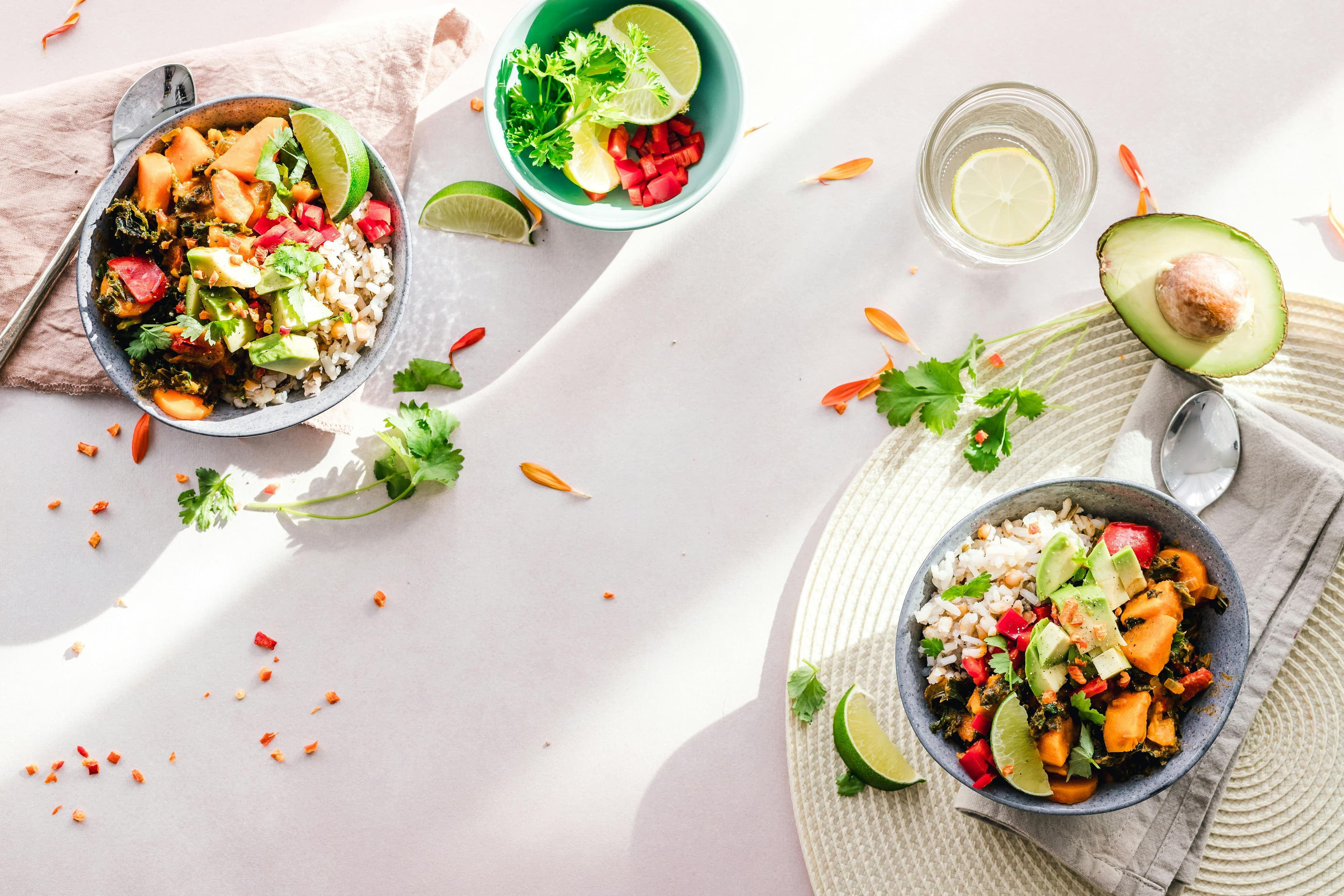
A **1500 calorie meal plan** strikes the perfect balance between effective weight loss and sustainable nutrition. Unlike more restrictive 1200-calorie plans, 1500 calories provides enough energy for active lifestyles while still creating a deficit for steady fat loss. This level is ideal for active women, sedentary men, or anyone transitioning from higher calorie intake. This comprehensive guide provides a complete 7-day meal plan with recipes, macro breakdowns, and practical strategies to lose 1-2 pounds per week while feeling energized and satisfied.
Key Takeaways
- ✓1500 calories is ideal for active women (5'4"+), sedentary men, or moderately active individuals
- ✓Expect 1-2 pounds of sustainable weight loss per week with proper adherence
- ✓Aim for 110-120g protein, 150-180g carbs, 50-60g fat daily for balanced nutrition
- ✓More flexible than 1200 calories — allows for social eating and variety
- ✓Include 3 meals (400-500 cal each) plus 1-2 snacks (100-200 cal) for sustained energy
Who Should Follow a 1500 Calorie Meal Plan?
1500 calories is a moderate calorie level that works well for many people. It's less restrictive than 1200 calories while still creating enough deficit for weight loss.
Ideal Candidates for 1500 Calories
- Active women — Exercise 3-5 times per week, height 5'4" or taller
- Sedentary men — Little to no exercise, desk job
- Moderately active individuals — Regular walking, light exercise
- People transitioning from higher calories — Step down from 1800-2000
- Those who found 1200 too restrictive — Need more flexibility
- Maintenance after initial weight loss — Transitioning from aggressive deficit
Expected Weight Loss Results
Weight loss depends on your TDEE (Total Daily Energy Expenditure):
| Your TDEE | Deficit | Expected Loss/Week |
|---|---|---|
| 1800 calories | 300 cal | 0.5-1 lb |
| 2000 calories | 500 cal | 1 lb |
| 2200 calories | 700 cal | 1-1.5 lbs |
| 2500 calories | 1000 cal | 2 lbs |
💡 Calculate your TDEE first
Use a TDEE calculator to determine if 1500 calories is right for you. If your TDEE is below 1800, consider 1200-1400 calories. If above 2500, you can eat more (1800-2000) and still lose weight effectively.
7-Day 1500 Calorie Meal Plan
This meal plan provides 110-120g protein, 150-180g carbs, and 50-60g fat daily. Each day includes 3 satisfying meals and 1-2 snacks.
Day 1: Monday (1,505 calories)
Breakfast (420 cal): Protein-Packed Oatmeal Bowl
- 3/4 cup dry oats (225 cal, 8g protein)
- 1 scoop protein powder (120 cal, 24g protein)
- 1 tbsp almond butter (95 cal, 3g protein)
- 1/2 banana (50 cal)
- Cinnamon (0 cal)
Lunch (485 cal): Grilled Chicken Power Bowl
- 5 oz grilled chicken breast (230 cal, 43g protein)
- 3/4 cup cooked quinoa (165 cal, 6g protein)
- 1 cup roasted vegetables (60 cal)
- 1 tbsp olive oil (30 cal)
Snack (150 cal): Greek Yogurt & Berries
- 3/4 cup nonfat Greek yogurt (100 cal, 17g protein)
- 1/2 cup mixed berries (40 cal)
Dinner (450 cal): Baked Salmon with Sweet Potato
- 5 oz baked salmon (295 cal, 31g protein)
- 1 medium sweet potato (115 cal)
- 1.5 cups steamed broccoli (75 cal)
- 1 tsp butter (35 cal)
Day 2: Tuesday (1,495 calories)
Breakfast (405 cal): Veggie Egg Scramble
- 3 whole eggs (210 cal, 18g protein)
- 1 cup mixed vegetables (50 cal)
- 1 oz cheese (110 cal, 7g protein)
- 2 slices whole wheat toast (160 cal)
- 1 tsp butter (35 cal)
Lunch (490 cal): Turkey & Avocado Wrap
- 1 large whole wheat tortilla (150 cal)
- 4 oz sliced turkey breast (120 cal, 24g protein)
- 1/2 avocado (120 cal)
- Lettuce, tomato, cucumber (20 cal)
- 1 cup baby carrots (50 cal)
- 2 tbsp hummus (70 cal)
Snack (150 cal): Apple & Nut Butter
- 1 medium apple (95 cal)
- 1/2 tbsp almond butter (45 cal, 2g protein)
Dinner (450 cal): Lean Beef Stir-Fry
- 4 oz lean beef (240 cal, 28g protein)
- 2 cups mixed stir-fry vegetables (80 cal)
- 3/4 cup brown rice (165 cal)
- 1 tbsp sesame oil (40 cal)
Day 3: Wednesday (1,510 calories)
Breakfast (415 cal): Protein Smoothie Bowl
- 1 scoop protein powder (120 cal, 24g protein)
- 1 cup frozen berries (80 cal)
- 1 banana (105 cal)
- 1 cup unsweetened almond milk (30 cal)
- 2 tbsp granola (60 cal)
- 1 tbsp chia seeds (60 cal, 3g protein)
Lunch (480 cal): Tuna Salad Plate
- 1 can tuna in water (120 cal, 26g protein)
- 1.5 tbsp light mayo (50 cal)
- 3 cups mixed greens (25 cal)
- 15 whole grain crackers (180 cal)
- 1 cup cherry tomatoes (25 cal)
- 1/4 avocado (60 cal)
Snack (165 cal): Cottage Cheese & Fruit
- 1 cup low-fat cottage cheese (160 cal, 28g protein)
- 1/2 cup pineapple (40 cal)
Dinner (450 cal): Grilled Chicken Fajitas
- 5 oz grilled chicken (230 cal, 43g protein)
- 2 cups peppers and onions (80 cal)
- 2 small corn tortillas (100 cal)
- 2 tbsp salsa (10 cal)
- 2 tbsp light sour cream (30 cal)
Remaining Days Overview
Days 4-7 follow similar patterns with variety to prevent boredom:
Day 4: Thursday (1,500 calories)
- Breakfast: Whole grain pancakes with protein (410 cal)
- Lunch: Grilled shrimp Caesar salad (475 cal)
- Snack: String cheese and almonds (160 cal)
- Dinner: Baked cod with wild rice and asparagus (455 cal)
Day 5: Friday (1,495 calories)
- Breakfast: Breakfast burrito with eggs and beans (420 cal)
- Lunch: Mediterranean chickpea bowl (480 cal)
- Snack: Protein bar (150 cal)
- Dinner: Turkey meatballs with zucchini noodles (445 cal)
Day 6: Saturday (1,505 calories)
- Breakfast: French toast with berries and yogurt (425 cal)
- Lunch: Chicken and vegetable soup with bread (470 cal)
- Snack: Trail mix (160 cal)
- Dinner: Pork tenderloin with roasted vegetables (450 cal)
Day 7: Sunday (1,500 calories)
- Breakfast: Veggie frittata with toast (415 cal)
- Lunch: Black bean burger with sweet potato fries (485 cal)
- Snack: Greek yogurt parfait (150 cal)
- Dinner: Grilled steak with cauliflower mash (450 cal)
💡 Flexibility is key
1500 calories allows more flexibility than 1200. You can enjoy social meals, restaurants, and treats in moderation. Budget 100-200 calories for occasional indulgences while staying within your daily target.
Macronutrient Breakdown
Proper macronutrient distribution is crucial for satiety, muscle preservation, and energy levels on 1500 calories.
Recommended Macro Split
| Macro | Grams | Calories | % of Total |
|---|---|---|---|
| Protein | 110-120g | 440-480 | 30-32% |
| Carbs | 150-180g | 600-720 | 40-48% |
| Fat | 50-60g | 450-540 | 30-36% |
Why This Macro Split Works
Protein (30%): Higher protein preserves muscle during weight loss, increases satiety, and has the highest thermic effect (burns 20-30% of calories during digestion).
Carbs (40-45%): Provides energy for workouts and daily activities. Focus on complex carbs (whole grains, vegetables, fruits) for sustained energy and fiber.
Fat (30%): Essential for hormone production, nutrient absorption, and satiety. Include healthy fats from olive oil, avocados, nuts, and fatty fish.
ℹ️ Adjust macros based on activity
If you're very active or do intense workouts, increase carbs to 50% and reduce fat to 25%. If you're sedentary, you can reduce carbs to 35% and increase protein to 35% for better satiety.
Best Foods for 1500 Calories
With 300 more calories than a 1200-calorie plan, you have more flexibility while still prioritizing nutrient-dense foods.
Lean Proteins (30-40g per meal)
- Chicken breast — 4-5 oz (185-230 cal, 35-43g protein)
- Turkey breast — 4-5 oz (120-150 cal, 24-30g protein)
- Fish (cod, tilapia, tuna) — 5 oz (120-150 cal, 25-30g protein)
- Salmon — 5 oz (295 cal, 31g protein)
- Eggs — 2-3 whole eggs (140-210 cal, 12-18g protein)
- Greek yogurt — 1 cup (130 cal, 23g protein)
- Lean beef — 4 oz (240 cal, 28g protein)
- Tofu/tempeh — 1 cup (180-220 cal, 18-22g protein)
Complex Carbohydrates
- Oats — 3/4 cup dry (225 cal, 8g protein, 6g fiber)
- Quinoa — 3/4 cup cooked (165 cal, 6g protein)
- Brown rice — 3/4 cup cooked (165 cal)
- Sweet potato — 1 medium (115 cal, 4g fiber)
- Whole wheat bread — 2 slices (160 cal, 6g fiber)
- Whole wheat pasta — 1 cup cooked (175 cal)
- Beans/lentils — 3/4 cup (170-200 cal, 12-15g protein)
Healthy Fats
- Olive oil — 1 tbsp (120 cal)
- Avocado — 1/2 medium (120 cal)
- Nuts — 1 oz (160-180 cal)
- Nut butter — 1 tbsp (90-100 cal)
- Seeds (chia, flax, hemp) — 2 tbsp (100-150 cal)
- Fatty fish (salmon, mackerel) — Built into protein
Unlimited Vegetables
Fill half your plate with non-starchy vegetables:
- Leafy greens, broccoli, cauliflower, Brussels sprouts
- Bell peppers, tomatoes, cucumbers, zucchini
- Green beans, asparagus, mushrooms, onions
- Cabbage, bok choy, spinach, kale
Sample Meal Combinations
Mix and match these combinations to create variety while staying within 1500 calories:
Breakfast Options (400-450 calories)
- Oatmeal (3/4 cup) + protein powder + banana + almond butter
- 3 eggs + 2 toast + avocado + fruit
- Greek yogurt (1.5 cups) + granola + berries + nuts
- Protein smoothie + whole grain toast with nut butter
- Whole grain pancakes (3) + eggs + berries
- Breakfast burrito: eggs, beans, cheese, salsa in tortilla
Lunch Options (450-500 calories)
- Grilled chicken (5 oz) + quinoa (3/4 cup) + roasted vegetables
- Turkey wrap with avocado, veggies, hummus + side salad
- Tuna salad + crackers + vegetables + fruit
- Chicken Caesar salad (light dressing) + whole grain roll
- Lentil soup (2 cups) + side salad + whole wheat bread
- Shrimp stir-fry with brown rice and vegetables
Dinner Options (450-500 calories)
- Salmon (5 oz) + sweet potato + broccoli
- Lean beef stir-fry with vegetables and brown rice
- Chicken fajitas (2 tortillas) with peppers, onions, toppings
- Turkey meatballs + zucchini noodles + marinara
- Baked cod + wild rice + asparagus
- Pork tenderloin + roasted vegetables + quinoa
Snack Options (100-200 calories)
- Greek yogurt (3/4 cup) + berries
- Apple + 1 tbsp nut butter
- String cheese + handful of almonds
- Protein bar (150-200 cal)
- Cottage cheese (1 cup) + fruit
- Hummus (1/4 cup) + vegetables
- Hard-boiled eggs (2) + fruit
Meal Prep Strategies
Meal prep is essential for success on any calorie-controlled plan. Here's how to make 1500 calories easy:
Sunday Meal Prep Routine (2-3 hours)
Proteins (Cook in bulk):
- Grill 6-7 chicken breasts (use for lunches and dinners)
- Bake 4-5 salmon fillets
- Hard-boil 12 eggs (snacks and breakfasts)
- Cook 2 lbs ground turkey for meatballs or stir-fries
Carbs (Batch cook):
- Cook 4 cups quinoa or brown rice
- Bake 6-8 sweet potatoes
- Portion oatmeal into containers
Vegetables (Prep and roast):
- Chop vegetables for salads (store separately)
- Roast 2-3 sheet pans of mixed vegetables
- Steam broccoli and green beans
Storage and Portioning
- Use glass containers for better food preservation
- Label containers with calories and macros
- Store proteins separately from vegetables (prevents sogginess)
- Freeze half if cooking for one person
- Prep 3-4 days at a time (not full week) for freshness
💡 Mix and match strategy
Don't prep complete meals. Instead, prep components (proteins, carbs, veggies) and mix them differently each day. This prevents boredom while maintaining portion control. Monday: chicken + quinoa + broccoli. Tuesday: same chicken + sweet potato + different veggies.
Tips for Success on 1500 Calories
1. Track Your Intake
Use a food tracking app for at least the first 2-3 weeks. This teaches portion sizes and prevents underestimating intake (people typically underestimate by 20-50%).
2. Prioritize Protein
Eat 30-40g protein at each meal. Protein keeps you full 2-3x longer than carbs and prevents muscle loss during weight loss.
3. Don't Skip Meals
Eat every 3-4 hours to maintain stable blood sugar and energy. Skipping meals leads to extreme hunger and overeating later.
4. Stay Hydrated
Drink 8-10 glasses of water daily. Drink 16 oz before each meal to reduce intake by 13%. Often thirst is mistaken for hunger.
5. Plan for Social Events
Save 100-200 calories for occasional treats or restaurant meals. Eat lighter earlier in the day if you have dinner plans.
6. Include Treats Strategically
Budget 10-15% of calories (150-225 cal) for treats 2-3 times per week. This prevents feelings of deprivation and makes the plan sustainable.
7. Adjust Based on Hunger
If constantly hungry, increase to 1600-1700 calories. Better to lose weight slowly than quit due to extreme restriction.
8. Combine with Exercise
1500 calories provides enough energy for regular exercise. Aim for 3-4 strength training sessions and 2-3 cardio sessions per week for optimal results.
1500 vs 1200 Calories: Which is Better?
Many people wonder if they should follow 1200 or 1500 calories. Here's how to decide:
Choose 1500 Calories If:
- You exercise 3+ times per week
- You're taller than 5'4" (women) or any height (men)
- You found 1200 too restrictive or unsustainable
- Your TDEE is above 2000 calories
- You want more flexibility for social eating
- You're transitioning from higher calorie intake
Choose 1200 Calories If:
- You're a sedentary woman under 5'4"
- You're over 50 with slower metabolism
- Your TDEE is only 1600-1800 calories
- You want faster initial weight loss (short-term only)
Advantages of 1500 Over 1200
| Factor | 1200 Calories | 1500 Calories |
|---|---|---|
| Sustainability | Difficult long-term | More sustainable |
| Energy levels | Often fatigued | Better energy |
| Muscle preservation | Risk of loss | Better preserved |
| Social flexibility | Very limited | More flexible |
| Nutrient adequacy | Challenging | Easier to meet needs |
| Exercise performance | May suffer | Well-supported |
Put This Into Practice — Free
Track your calories, macros, and nutrition with 2.3M+ verified foods. No account required, no subscription, no paywall — ever.
Frequently Asked Questions
Is 1500 calories a day enough to lose weight?
Yes, 1500 calories will lead to weight loss for most people. If your TDEE is 2000 calories, you'll lose about 1 pound per week. If your TDEE is 2500, you'll lose 2 pounds per week. However, if your TDEE is only 1700, weight loss will be slower (0.5 lb/week). Calculate your TDEE first to set realistic expectations.
How much weight can I lose on 1500 calories a day?
Expect 1-2 pounds per week on 1500 calories, depending on your TDEE. In a month, that's 4-8 pounds. In 3 months, 12-24 pounds. Weight loss slows as you get leaner, so initial losses may be faster. First week often shows 3-5 pounds due to water weight, then settles to 1-2 lbs/week.
What does a 1500 calorie day look like?
A typical 1500 calorie day includes: Breakfast (400-450 cal) like oatmeal with protein powder and fruit, Lunch (450-500 cal) like grilled chicken with quinoa and vegetables, Snack (150-200 cal) like Greek yogurt and berries, and Dinner (450-500 cal) like salmon with sweet potato and broccoli. Focus on high-protein, whole foods.
Is 1500 calories enough for an active person?
Yes, 1500 calories can work for active women (5'4"+) who exercise 3-5 times per week. However, very active individuals or athletes may need 1800-2000 calories to support performance and recovery. If you feel constantly fatigued or your workouts suffer, increase to 1600-1700 calories. Listen to your body.
Can men eat 1500 calories a day?
Sedentary men can follow 1500 calories safely, but active men typically need more (1800-2200 calories). Men have higher muscle mass and metabolic rates than women. If you exercise regularly or have a physical job, 1500 may be too low and cause muscle loss. Calculate your TDEE and aim for a 500-750 calorie deficit.
How long should I stay on 1500 calories?
1500 calories is sustainable long-term for many people, unlike 1200 calories. You can follow it for 3-6 months or until you reach your goal weight. Once at goal, gradually increase to maintenance calories (1800-2200) over 2-3 weeks. Take diet breaks every 8-12 weeks by increasing to maintenance for 1-2 weeks.
What macros should I eat on 1500 calories?
Aim for 110-120g protein (30%), 150-180g carbs (40-48%), and 50-60g fat (30-36%) on 1500 calories. High protein preserves muscle and increases satiety. Adjust based on activity: more active people need more carbs (50%), sedentary people can reduce carbs (35%) and increase protein (35%).
Free Calculators
Related Articles
Meal Planning
1200 Calorie Meal Plan: 7-Day Guide
Complete 1200 calorie meal plan with recipes and safety tips.
Weight Loss
How to Lose Weight Fast Safely
6 science-backed steps for safe, rapid weight loss results.
Protein
How Much Protein Per Day Do You Need?
Learn optimal protein intake for weight loss and muscle preservation.