2000 Calorie Meal Plan: 7-Day Guide for Maintenance & Active Lifestyles
By Daily Nutrition Tracker Editorial Team · Reviewed by nutrition professionals
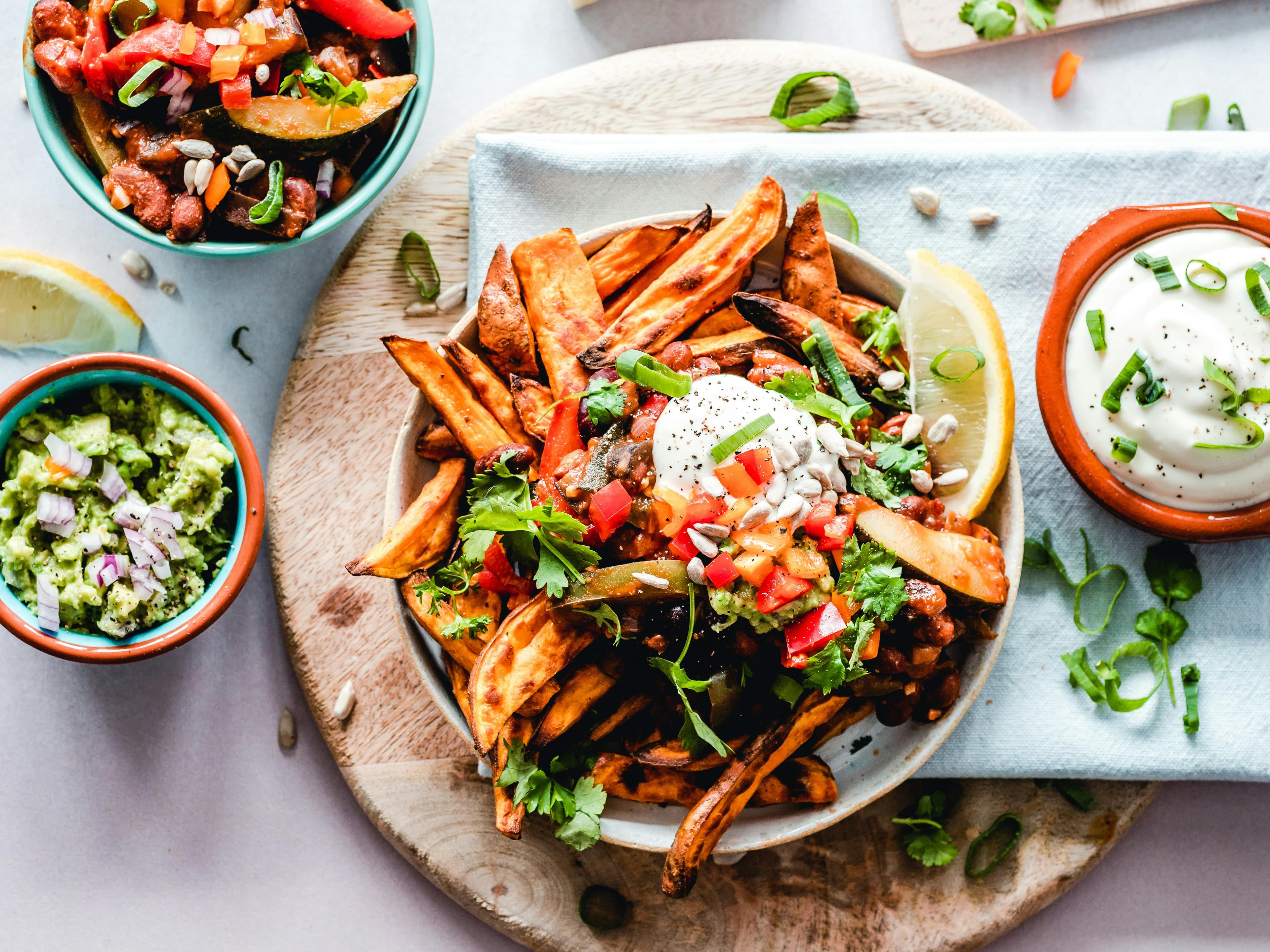
A **2000 calorie meal plan** is the gold standard for nutrition labels and dietary guidelines — and for good reason. This calorie level supports weight maintenance for most adults, provides enough energy for active lifestyles, and creates the foundation for muscle building when combined with strength training. Whether you're an active woman, a moderately active man, or someone transitioning from weight loss to maintenance, 2000 calories offers the perfect balance of nutrition and flexibility. This comprehensive guide provides a complete 7-day meal plan with recipes, macro breakdowns, and practical strategies for sustainable, healthy eating.
Key Takeaways
- ✓2000 calories is ideal for active women, most men, weight maintenance, and muscle building
- ✓Provides balanced nutrition: 140-160g protein, 220-250g carbs, 65-75g fat daily
- ✓Supports regular exercise and active lifestyles without feeling restricted
- ✓More flexible than lower-calorie plans — allows for social eating and variety
- ✓Can be adjusted up or down based on individual needs and activity levels
Who Should Follow a 2000 Calorie Meal Plan?
2000 calories is considered the standard reference intake used on nutrition labels. It works well for many people, but individual needs vary.
Ideal Candidates for 2000 Calories
- Active women — Exercise 5-6 times per week, strength training or intense cardio
- Most men — Moderately active with regular exercise
- Athletes — Endurance athletes or those training 1-2 hours daily
- Muscle building — Combined with strength training for lean mass gain
- Weight maintenance — After reaching goal weight from diet
- Teenagers — Active teens with higher energy needs
- Physical jobs — Construction workers, nurses, servers, etc.
Will You Lose, Maintain, or Gain Weight?
The effect of 2000 calories depends on your TDEE:
| Your TDEE | Effect of 2000 Cal | Expected Result |
|---|---|---|
| 1500 calories | +500 surplus | Gain 1 lb/week |
| 1800 calories | +200 surplus | Gain 0.5 lb/week |
| 2000 calories | Maintenance | Maintain weight |
| 2300 calories | -300 deficit | Lose 0.5 lb/week |
| 2500 calories | -500 deficit | Lose 1 lb/week |
ℹ️ Calculate your TDEE
Use a TDEE calculator to determine if 2000 calories will help you lose, maintain, or gain weight. For most moderately active adults, 2000 calories supports weight maintenance.
7-Day 2000 Calorie Meal Plan
This meal plan provides 140-160g protein, 220-250g carbs, and 65-75g fat daily. Each day includes 3 substantial meals and 2 snacks.
Day 1: Monday (2,010 calories)
Breakfast (520 cal): Vegetable Omelet with Sweet Potato
- 3 whole eggs (210 cal, 18g protein)
- 1 cup spinach, mushrooms, broccoli (30 cal)
- 1 cup sautéed sweet potatoes (180 cal)
- 1 tbsp olive oil (120 cal)
- 1 slice whole wheat toast (80 cal)
Snack (240 cal): Apple with Peanut Butter
- 1 large apple (115 cal)
- 2 tbsp peanut butter (190 cal, 8g protein)
Lunch (580 cal): Mediterranean Tuna Pita
- 1 whole wheat pita (170 cal)
- 5 oz canned tuna (140 cal, 32g protein)
- 1/2 avocado (120 cal)
- 1 tbsp feta cheese (25 cal)
- Chopped veggies (25 cal)
- 1 cup grapes (100 cal)
Snack (180 cal): Cheese and Crackers
- 2 oz cheddar cheese (220 cal, 14g protein)
- 10 whole grain crackers (120 cal)
Dinner (490 cal): Baked Salmon with Wild Rice
- 5 oz baked salmon (295 cal, 31g protein)
- 1/2 cup wild rice (85 cal)
- 1 cup roasted asparagus (40 cal)
- 1 cup roasted eggplant (35 cal)
- 1 tbsp olive oil (120 cal)
Day 2: Tuesday (2,005 calories)
Breakfast (515 cal): Almond Butter Banana Toast
- 2 slices whole grain toast (160 cal)
- 2 tbsp almond butter (190 cal, 7g protein)
- 1 banana (105 cal)
- 1 cup nonfat Greek yogurt (130 cal, 23g protein)
- Cinnamon to taste
Snack (255 cal): Power Smoothie
- 1 scoop protein powder (120 cal, 24g protein)
- 1 cup frozen blueberries (80 cal)
- 1 cup spinach (7 cal)
- 1 tbsp hemp seeds (60 cal)
- Unsweetened almond milk (30 cal)
Lunch (570 cal): Black Bean Sweet Potato Burrito
- 1 large whole wheat tortilla (170 cal)
- 1/2 cup brown rice (110 cal)
- 1 cup cooked sweet potatoes (180 cal)
- 1/2 cup black beans (110 cal, 8g protein)
- 2 tbsp salsa (10 cal)
- 1 oz cheese (110 cal, 7g protein)
Snack (180 cal): Veggies and Hummus
- Carrot and celery sticks (30 cal)
- 1/4 cup hummus (100 cal, 4g protein)
- 1/2 whole wheat pita (85 cal)
Dinner (485 cal): Chicken Broccoli Stir-Fry
- 5 oz chicken breast (230 cal, 43g protein)
- 2 cups broccoli (60 cal)
- 3/4 cup brown rice (165 cal)
- 1 tbsp soy sauce (10 cal)
- Fresh garlic and ginger (5 cal)
Day 3: Wednesday (1,995 calories)
Breakfast (505 cal): Berry Yogurt Parfait
- 1.5 cups plain Greek yogurt (195 cal, 35g protein)
- 1 cup mixed berries (85 cal)
- 1/2 cup granola (210 cal)
- 1 tbsp honey (60 cal)
Snack (240 cal): Banana and Almond Butter
- 1 large banana (120 cal)
- 1.5 tbsp almond butter (140 cal, 5g protein)
Lunch (560 cal): Peanut Noodles with Tofu
- 1 cup cooked rice noodles (190 cal)
- 5 oz tofu (140 cal, 18g protein)
- 1 cup peas (125 cal, 8g protein)
- 2 tbsp peanut butter (190 cal, 8g protein)
- Tamari, sriracha, lime juice (15 cal)
Snack (220 cal): Protein Bar
- 1 protein bar (220 cal, 15g protein)
Dinner (470 cal): Fish Tacos
- 3 corn tortillas (150 cal)
- 6 oz grilled cod (140 cal, 30g protein)
- 1/2 avocado (120 cal)
- 2 tbsp pico de gallo (10 cal)
- Cabbage slaw (50 cal)
Remaining Days Overview
Days 4-7 follow similar patterns with variety:
Day 4: Thursday (2,000 calories)
- Breakfast: Avocado toast with eggs and fruit (510 cal)
- Snack: Greek yogurt with strawberries (230 cal)
- Lunch: Quinoa bowl with grilled chicken and veggies (575 cal)
- Snack: Dark chocolate and almonds (210 cal)
- Dinner: Vegetarian chili with cornbread (475 cal)
Day 5: Friday (2,010 calories)
- Breakfast: Protein pancakes with berries and syrup (520 cal)
- Snack: Trail mix (250 cal)
- Lunch: Turkey club sandwich with side salad (570 cal)
- Snack: Cottage cheese and pineapple (190 cal)
- Dinner: Grilled steak with roasted potatoes and vegetables (480 cal)
Day 6: Saturday (1,995 calories)
- Breakfast: Breakfast burrito with eggs, beans, and cheese (515 cal)
- Snack: Apple slices with cheese (240 cal)
- Lunch: Shrimp pasta with marinara and vegetables (565 cal)
- Snack: Protein shake (200 cal)
- Dinner: Baked chicken thighs with sweet potato and green beans (475 cal)
Day 7: Sunday (2,005 calories)
- Breakfast: French toast with eggs and fruit (510 cal)
- Snack: Hummus and pita with veggies (235 cal)
- Lunch: Beef and vegetable stir-fry with rice (580 cal)
- Snack: Greek yogurt parfait (210 cal)
- Dinner: Baked salmon with quinoa and roasted Brussels sprouts (470 cal)
💡 Flexibility for life
2000 calories provides enough room for social eating, restaurants, and treats. You can easily fit in a 600-calorie restaurant meal or save 200-300 calories for dessert without derailing your nutrition.
Macronutrient Targets for 2000 Calories
Proper macro distribution depends on your goals:
Standard Balanced Split (Maintenance)
| Macro | Grams | Calories | % of Total |
|---|---|---|---|
| Protein | 140-160g | 560-640 | 28-32% |
| Carbs | 220-250g | 880-1000 | 44-50% |
| Fat | 65-75g | 585-675 | 29-34% |
High-Protein Split (Muscle Building)
| Macro | Grams | Calories | % of Total |
|---|---|---|---|
| Protein | 180-200g | 720-800 | 36-40% |
| Carbs | 200-225g | 800-900 | 40-45% |
| Fat | 55-65g | 495-585 | 25-29% |
Lower-Carb Split (Fat Loss)
| Macro | Grams | Calories | % of Total |
|---|---|---|---|
| Protein | 160-180g | 640-720 | 32-36% |
| Carbs | 150-180g | 600-720 | 30-36% |
| Fat | 75-90g | 675-810 | 34-41% |
ℹ️ Adjust based on activity
Very active individuals or endurance athletes may need more carbs (50-55%). Those doing primarily strength training may prefer higher protein (35-40%). Experiment to find what makes you feel and perform best.
Best Foods for 2000 Calories
With 2000 calories, you have flexibility while still prioritizing nutrient-dense foods.
Protein Sources (aim for 140-200g daily)
- Chicken breast, turkey, lean beef — 6-8 oz portions
- Fish and seafood — salmon, tuna, cod, shrimp
- Eggs — 2-4 per day
- Greek yogurt — 1-2 cups daily
- Cottage cheese — high protein, versatile
- Protein powder — convenient for smoothies
- Legumes — beans, lentils, chickpeas
- Tofu and tempeh — plant-based options
Complex Carbohydrates
- Whole grains — oats, quinoa, brown rice, whole wheat bread
- Sweet potatoes and potatoes
- Fruits — berries, bananas, apples, oranges
- Vegetables — all types, unlimited non-starchy
- Legumes — double duty as protein and carbs
Healthy Fats
- Olive oil — 2-3 tbsp daily for cooking
- Avocados — 1/2 to 1 whole per day
- Nuts and seeds — 1-2 oz daily
- Nut butters — 2-3 tbsp
- Fatty fish — salmon, mackerel (omega-3s)
- Cheese — moderate amounts for flavor
2000 Calories for Different Goals
For Weight Maintenance
If 2000 calories matches your TDEE:
- Eat consistently at 2000 calories daily
- Monitor weight weekly — adjust if trending up or down
- Focus on balanced macros (30% protein, 45% carbs, 25% fat)
- Include variety and foods you enjoy
- Allow 10-20% flexibility for social eating
For Muscle Building (Lean Bulk)
If your TDEE is 1800-1900 calories:
- Eat 2000 calories for a small surplus (200-300 cal)
- Prioritize protein (180-200g daily)
- Time carbs around workouts for performance
- Strength train 4-5x per week
- Expect 0.5-1 lb gain per week (mostly muscle)
For Slow Fat Loss
If your TDEE is 2300-2500 calories:
- Eat 2000 calories for a moderate deficit (300-500 cal)
- Keep protein high (160-180g) to preserve muscle
- Include strength training to maintain muscle mass
- Expect 0.5-1 lb loss per week
- More sustainable than aggressive deficits
Sample Meal Combinations
Mix and match these meals to create variety:
Breakfast Options (500-550 calories)
- Veggie omelet (3 eggs) + sweet potato + toast
- Greek yogurt parfait (1.5 cups) + granola + berries
- Protein pancakes (3) + eggs + fruit + syrup
- Avocado toast (2 slices) + eggs + Greek yogurt
- Breakfast burrito with eggs, beans, cheese, salsa
- Oatmeal + protein powder + nut butter + banana
Lunch Options (550-600 calories)
- Grilled chicken (6 oz) + quinoa + roasted vegetables
- Turkey sandwich + avocado + side salad + fruit
- Burrito bowl with rice, beans, protein, toppings
- Tuna pita + hummus + vegetables + fruit
- Pasta (2 cups) with chicken and marinara
- Large salad with protein + whole grain roll
Dinner Options (450-500 calories)
- Salmon (5-6 oz) + wild rice + roasted vegetables
- Steak (5 oz) + baked potato + green beans
- Chicken stir-fry with vegetables and rice
- Fish tacos (3) with toppings and side
- Lean beef + sweet potato + broccoli
- Vegetarian chili with cornbread
Snack Options (200-250 calories)
- Apple + 2 tbsp peanut butter
- Greek yogurt + berries
- Protein shake or bar
- Cheese + crackers + fruit
- Trail mix (1/4 cup)
- Hummus + pita + vegetables
Tips for Success on 2000 Calories
1. Listen to Hunger Cues
2000 calories should feel comfortable, not restrictive. If constantly hungry, you may need more calories. If always full, you might need less.
2. Adjust for Activity Level
On very active days (long runs, intense workouts), add 200-300 calories. On rest days, you might naturally eat slightly less.
3. Don't Obsess Over Perfection
1900-2100 calories is essentially the same as 2000. Focus on weekly averages, not daily perfection.
4. Include Foods You Enjoy
With 2000 calories, you can fit in treats, restaurant meals, and favorite foods while meeting nutritional needs. Aim for 80-90% nutrient-dense foods, 10-20% flexibility.
5. Meal Prep for Consistency
Prep proteins, grains, and vegetables in bulk. This makes hitting 2000 calories easier and prevents impulsive food choices.
6. Stay Hydrated
Drink 8-12 glasses of water daily. Proper hydration supports metabolism, performance, and appetite regulation.
Put This Into Practice — Free
Track your calories, macros, and nutrition with 2.3M+ verified foods. No account required, no subscription, no paywall — ever.
Frequently Asked Questions
Is 2000 calories enough to lose weight?
It depends on your TDEE. If your TDEE is 2300-2500 calories, eating 2000 will create a 300-500 calorie deficit and lead to 0.5-1 lb weight loss per week. If your TDEE is 2000 or below, you won't lose weight. Calculate your TDEE first to determine if 2000 calories will help you lose, maintain, or gain weight.
Can you build muscle on 2000 calories?
Yes, if your TDEE is 1800-1900 calories, eating 2000 creates a small surplus (200-300 cal) ideal for lean muscle building. Combine with strength training 4-5x/week and eat 180-200g protein daily. Expect 0.5-1 lb gain per week, mostly muscle. If your TDEE is much higher, you may need more calories for muscle growth.
What does 2000 calories a day look like?
A typical 2000 calorie day includes: Breakfast (500-550 cal) like eggs, toast, and fruit, Snack (200-250 cal) like yogurt and berries, Lunch (550-600 cal) like chicken with quinoa and vegetables, Snack (200-250 cal) like apple with peanut butter, and Dinner (450-500 cal) like salmon with rice and vegetables.
Is 2000 calories too much for a woman?
Not necessarily. Active women who exercise 5-6 times per week often need 2000+ calories for maintenance. Sedentary women typically need 1600-1800 calories. Your individual needs depend on height, weight, age, and activity level. Calculate your TDEE to determine your specific calorie needs.
How much protein should I eat on 2000 calories?
Aim for 140-200g protein daily on 2000 calories, depending on goals. For maintenance: 140-160g (28-32%). For muscle building: 180-200g (36-40%). For fat loss: 160-180g (32-36%). Higher protein increases satiety, preserves muscle, and supports recovery from exercise.
Can men eat 2000 calories a day?
Yes. 2000 calories works for moderately active men, men trying to lose weight slowly, or smaller/older men. Very active men or those trying to build muscle typically need 2300-2800 calories. Sedentary men may maintain weight on 2000-2200 calories. Calculate your TDEE for personalized needs.
Is 2000 calories good for weight maintenance?
Yes, if your TDEE is approximately 2000 calories. This is common for active women, moderately active men, and many adults. Monitor your weight for 2-3 weeks at 2000 calories. If weight is stable, it's your maintenance level. If trending up or down, adjust by 100-200 calories accordingly.