Best Protein Sources: Quality, Bioavailability & Complete Guide
By Daily Nutrition Tracker Editorial Team · Reviewed by nutrition professionals
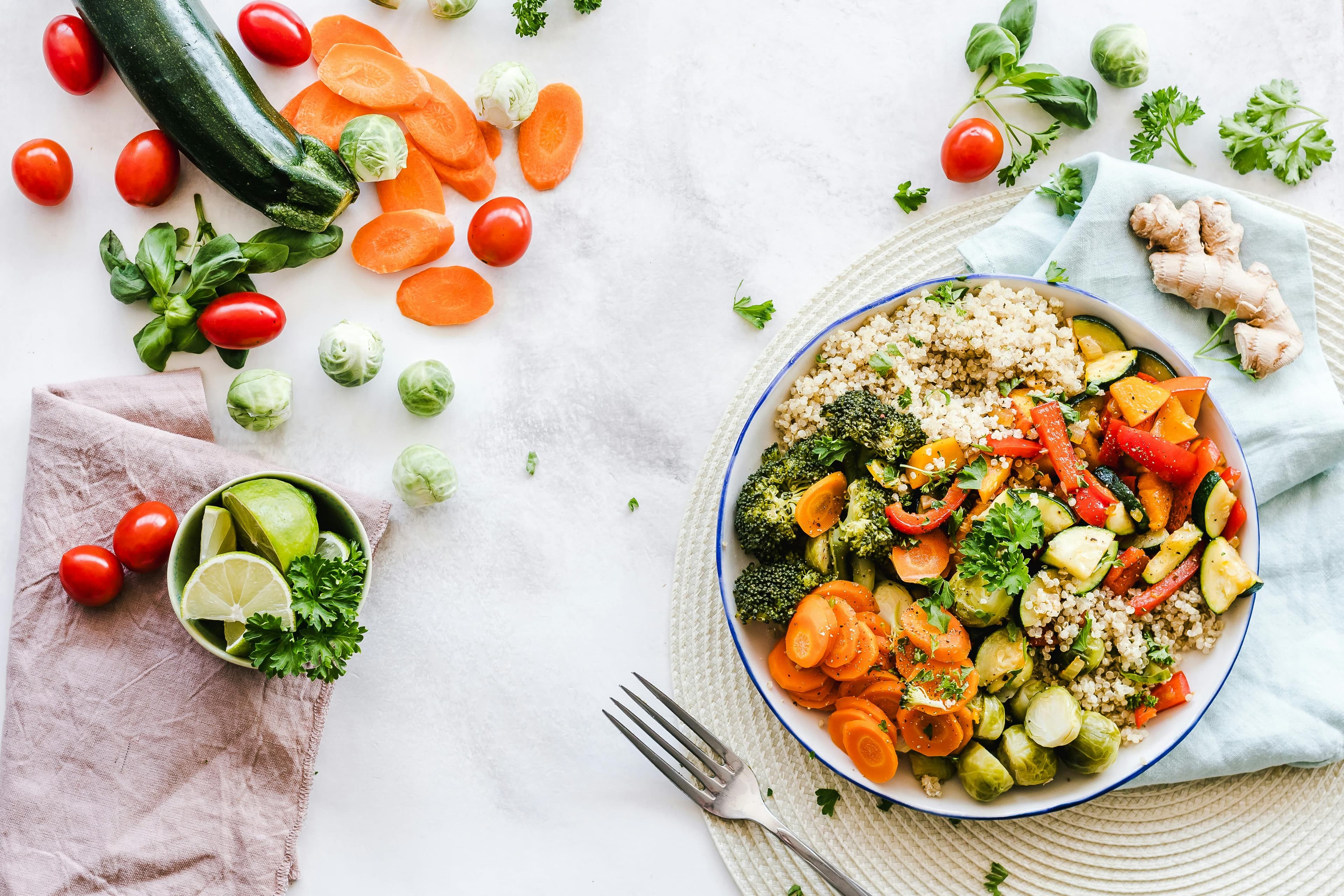
The best protein sources are those that provide all essential amino acids in optimal ratios, are easily absorbed by your body, and support muscle growth and recovery. While all proteins provide amino acids, they differ dramatically in quality, digestibility, and effectiveness. This guide explains what makes a protein source "high quality," ranks the best animal and plant proteins by scientific metrics, and helps you choose the right proteins for your goals.
Key Takeaways
- ✓Complete proteins (eggs, meat, fish, dairy, soy, quinoa) contain all 9 essential amino acids
- ✓Protein quality is measured by biological value, PDCAAS, and DIAAS scores
- ✓Best animal proteins: eggs (100% biological value), whey protein, chicken breast, fish
- ✓Best plant proteins: soy (complete), quinoa (complete), hemp seeds, pea protein
- ✓Combining incomplete plant proteins (rice + beans) creates complete amino acid profiles
What Makes a Protein Source "High Quality"?
Protein quality is determined by three main factors:
1. Complete vs. Incomplete Amino Acid Profile
Your body needs 9 essential amino acids that it cannot produce on its own. A complete protein contains all 9 in adequate amounts. An incomplete protein lacks one or more essential amino acids.
- Complete proteins: All animal proteins (meat, fish, dairy, eggs) plus soy, quinoa, and buckwheat
- Incomplete proteins: Most plant proteins (beans, lentils, nuts, grains) — but can be combined to form complete proteins
2. Bioavailability (How Well Your Body Absorbs It)
Bioavailability measures how much of the protein your body can actually digest and use. Animal proteins are typically 90-99% bioavailable, while plant proteins range from 60-90% due to fiber and anti-nutrients.
3. Protein Quality Scores
Scientists use several metrics to rank protein quality:
| Metric | What It Measures | Perfect Score |
|---|---|---|
| Biological Value (BV) | How much protein is retained by the body | 100 (whole eggs) |
| PDCAAS | Protein digestibility + amino acid score | 1.0 (whey, casein, soy) |
| DIAAS | Digestibility of individual amino acids | >1.0 (whey, milk) |
ℹ️ Why eggs are the gold standard
Whole eggs have a biological value of 100, meaning your body can use nearly all the protein they provide. This is why eggs are used as the reference standard for measuring all other protein sources. Whey protein actually scores slightly higher (104-110 BV) but eggs remain the benchmark.
Best Animal Protein Sources (Ranked by Quality)
Animal proteins are complete proteins with high bioavailability. Here are the best sources ranked by protein quality scores:
1. Eggs (Biological Value: 100)
Why they're #1: Eggs are the reference standard for protein quality. They contain all 9 essential amino acids in perfect ratios, are 97% digestible, and provide 6g of protein per large egg (13g per 100g).
- Protein per serving: 6g per large egg, 13g per 100g
- Biological value: 100 (perfect score)
- Benefits: Affordable ($0.15-0.30 per egg), versatile, nutrient-dense (vitamins A, D, E, B12, choline)
- Best for: Everyone — muscle building, weight loss, general health
2. Whey Protein (Biological Value: 104-110)
Why it's elite: Whey protein is the fastest-digesting protein with the highest concentration of leucine (the amino acid that triggers muscle protein synthesis). It's absorbed within 1-2 hours, making it ideal post-workout.
- Protein per serving: 20-25g per scoop (30g powder)
- Biological value: 104-110 (highest of all proteins)
- Benefits: Fast absorption, high leucine content, convenient
- Best for: Post-workout recovery, filling protein gaps, muscle building
3. Chicken Breast (Biological Value: 79)
Why it's popular: Chicken breast is lean, affordable, and provides 31g of protein per 100g — one of the highest protein-to-calorie ratios available.
- Protein per serving: 26g per 3 oz (85g), 31g per 100g
- Biological value: 79
- Benefits: Very lean (minimal fat), affordable, versatile
- Best for: Weight loss, muscle building on a budget
4. Fish (Salmon, Tuna, Cod) (Biological Value: 76-83)
Why it's excellent: Fish provides high-quality protein plus omega-3 fatty acids (EPA and DHA) that reduce inflammation and support heart health.
| Fish Type | Protein per 3 oz | Biological Value | Key Benefit |
|---|---|---|---|
| Tuna (canned) | 22g | 83 | Highest BV, very lean |
| Salmon | 22g | 83 | Omega-3s for heart health |
| Cod | 20g | 76 | Extremely lean, mild flavor |
| Tilapia | 21g | 76 | Affordable, mild flavor |
5. Greek Yogurt & Cottage Cheese (Biological Value: 84-91)
Why they're underrated: Dairy proteins (casein and whey) are complete proteins with high biological value. Greek yogurt and cottage cheese also provide probiotics and calcium.
- Greek yogurt: 20g protein per cup, slow-digesting casein
- Cottage cheese: 28g protein per cup, 80% casein (slow-release)
- Benefits: High protein, probiotics, calcium, versatile
- Best for: Snacks, pre-bed protein (casein digests slowly overnight)
6. Lean Beef (Biological Value: 80)
Why it's valuable: Beef provides complete protein plus highly bioavailable iron (heme iron), zinc, and B vitamins. Choose lean cuts (90% lean or higher).
- Protein per serving: 24g per 3 oz (95% lean)
- Benefits: Complete protein, iron, zinc, creatine
- Best for: Muscle building, preventing iron deficiency
Best Plant-Based Protein Sources (Ranked by Quality)
Most plant proteins are incomplete, but some are complete and all can be combined to provide all essential amino acids. Here are the highest-quality plant proteins:
1. Soy Protein (Tofu, Tempeh, Edamame) (PDCAAS: 1.0)
Why it's the best plant protein: Soy is the only plant protein that's complete and has a perfect PDCAAS score of 1.0, matching whey and casein.
| Soy Product | Protein per Serving | Bioavailability | Key Benefit |
|---|---|---|---|
| Tofu (firm) | 20g per 1/2 cup | 90-95% | Versatile, absorbs flavors |
| Tempeh | 15g per 1/2 cup | 90-95% | Fermented (probiotics) |
| Edamame | 17g per cup | 90-95% | Whole food, fiber-rich |
| Soy protein isolate | 25g per scoop | 95% | Convenient, lactose-free |
💡 Soy and hormones: The science
Concerns about soy affecting testosterone or estrogen are largely unfounded. Multiple studies show that moderate soy consumption (1-2 servings daily) does not affect hormone levels in men or women. Soy contains phytoestrogens (plant estrogens) that are far weaker than human estrogen.
2. Quinoa (PDCAAS: 0.9)
Why it's unique: Quinoa is one of the few plant foods that's a complete protein, containing all 9 essential amino acids.
- Protein per serving: 8g per cup (cooked)
- Benefits: Complete protein, high fiber (5g per cup), gluten-free
- Best for: Vegetarians, vegans, gluten-free diets
3. Hemp Seeds (PDCAAS: 0.6-0.7)
Why they're valuable: Hemp seeds are a complete protein and provide omega-3 fatty acids. While the PDCAAS is lower, they're still highly nutritious.
- Protein per serving: 10g per 3 tbsp (30g)
- Benefits: Complete protein, omega-3s, magnesium
- Best for: Adding to smoothies, yogurt, salads
4. Pea Protein (PDCAAS: 0.89)
Why it's popular: Pea protein is nearly complete (low in methionine but high in lysine) and has high bioavailability. It's the base of most vegan protein powders.
- Protein per serving: 20-25g per scoop (powder)
- Benefits: Hypoallergenic, easy to digest, sustainable
- Best for: Vegan protein shakes, post-workout
5. Lentils (PDCAAS: 0.52)
Why they're practical: While incomplete (low in methionine), lentils provide 18g of protein per cup plus 16g of fiber. Combine with rice or grains for a complete protein.
- Protein per serving: 18g per cup (cooked)
- Benefits: High fiber, iron, folate, very affordable
- Best for: Budget-friendly plant protein, meal prep
6. Chickpeas (PDCAAS: 0.78)
Why they're versatile: Chickpeas (garbanzo beans) provide 15g of protein per cup and are the base of hummus.
- Protein per serving: 15g per cup (cooked)
- Benefits: Versatile (hummus, roasted, curries), fiber-rich
- Best for: Mediterranean diets, snacks (roasted chickpeas)
How to Combine Incomplete Plant Proteins
Most plant proteins are incomplete, but combining different sources creates a complete amino acid profile. You don't need to combine them in the same meal — eating a variety throughout the day works.
Classic complementary protein combinations:
| Combination | Why It Works | Example Meals |
|---|---|---|
| Grains + Legumes | Grains lack lysine; legumes lack methionine | Rice and beans, pita and hummus |
| Nuts/Seeds + Legumes | Seeds provide methionine; legumes provide lysine | Peanut butter on whole wheat bread |
| Grains + Dairy | Dairy completes grain amino acids | Cereal with milk, pasta with cheese |
| Legumes + Vegetables | Vegetables add missing amino acids | Lentil soup with vegetables |
ℹ️ You don't need to combine in one meal
The old belief that you must combine complementary proteins in the same meal has been debunked. Your body maintains an amino acid pool throughout the day. As long as you eat a variety of plant proteins over 24 hours, you'll get all essential amino acids.
Choosing the Best Protein Sources for Your Goals
For Muscle Building: Prioritize High-Leucine Proteins
Leucine is the amino acid that triggers muscle protein synthesis. The best muscle-building proteins are high in leucine:
- Whey protein (highest leucine content, fast absorption)
- Eggs (complete amino acid profile)
- Chicken breast (lean, high protein)
- Greek yogurt (casein for sustained release)
- Lean beef (complete protein + creatine)
For Weight Loss: Prioritize Lean, High-Satiety Proteins
Choose proteins with the highest protein-to-calorie ratio and satiety:
- Chicken breast (31g protein per 100g, very lean)
- White fish (cod, tilapia — 20-23g protein, <100 cal per 3 oz)
- Egg whites (pure protein, almost no calories)
- Nonfat Greek yogurt (20g protein, 100 cal per cup)
- Shrimp (20g protein, 85 cal per 3 oz)
For Plant-Based Diets: Prioritize Complete or Complementary Proteins
- Soy products (tofu, tempeh, edamame — complete protein)
- Quinoa (complete protein, 8g per cup)
- Hemp seeds (complete protein, omega-3s)
- Rice + beans (complementary, complete when combined)
- Pea protein powder (nearly complete, convenient)
For Budget-Conscious Eating: Best Protein Per Dollar
- Eggs ($0.15-0.30 per egg, 6g protein)
- Canned tuna ($0.80-1.50 per can, 22g protein)
- Dried lentils/beans ($1-2 per pound dry, 15-18g per cooked cup)
- Chicken thighs ($1.50-3 per pound)
- Whey protein ($0.50-1 per serving, 20-25g protein)
Protein Quality Comparison Chart
Here's a comprehensive comparison of protein quality scores across different sources:
| Protein Source | Biological Value | PDCAAS | Complete? |
|---|---|---|---|
| Whey protein | 104-110 | 1.0 | Yes |
| Whole egg | 100 | 1.0 | Yes |
| Milk (casein) | 91 | 1.0 | Yes |
| Beef | 80 | 0.92 | Yes |
| Fish (tuna) | 83 | 1.0 | Yes |
| Chicken | 79 | 1.0 | Yes |
| Soy protein | 74 | 1.0 | Yes |
| Quinoa | — | 0.9 | Yes |
| Pea protein | 65 | 0.89 | Nearly |
| Chickpeas | — | 0.78 | No |
| Lentils | — | 0.52 | No |
| Peanuts | — | 0.52 | No |
Put This Into Practice — Free
Track your calories, macros, and nutrition with 2.3M+ verified foods. No account required, no subscription, no paywall — ever.
Frequently Asked Questions
What are the best sources of protein?
The best protein sources are eggs (biological value 100), whey protein (BV 104-110), chicken breast, fish (especially tuna and salmon), Greek yogurt, and lean beef. For plant-based diets, soy products (tofu, tempeh), quinoa, and hemp seeds are the highest-quality complete proteins.
What is the highest quality protein?
Whey protein has the highest biological value (104-110) and PDCAAS score (1.0), making it the highest quality protein. Whole eggs are a close second with a biological value of 100 and are considered the gold standard reference protein. Both are complete proteins with excellent bioavailability.
Are plant proteins as good as animal proteins?
Most plant proteins are incomplete (lacking some essential amino acids) and have lower bioavailability (60-90% vs 90-99% for animal proteins). However, soy protein is complete with a perfect PDCAAS score of 1.0, matching animal proteins. Combining plant proteins (rice + beans) creates complete amino acid profiles.
What is a complete protein?
A complete protein contains all 9 essential amino acids in adequate amounts. All animal proteins (meat, fish, dairy, eggs) are complete. Plant-based complete proteins include soy (tofu, tempeh, edamame), quinoa, buckwheat, and hemp seeds. Most other plant proteins are incomplete but can be combined.
What is the best protein for muscle building?
Whey protein is the best for muscle building due to its high leucine content (triggers muscle protein synthesis) and fast absorption. Eggs, chicken breast, Greek yogurt (casein), and lean beef are also excellent. The key is consuming 0.7-1g protein per pound of bodyweight daily, spread across 3-4 meals.
What is the best plant-based protein?
Soy protein (tofu, tempeh, edamame) is the best plant-based protein because it's complete (all 9 essential amino acids) and has a perfect PDCAAS score of 1.0, matching animal proteins. Quinoa and hemp seeds are also complete plant proteins. Pea protein powder is nearly complete and highly bioavailable.
How do you measure protein quality?
Protein quality is measured by: (1) Biological Value (BV) — how much protein is retained by the body, (2) PDCAAS — protein digestibility and amino acid score (max 1.0), and (3) DIAAS — digestibility of individual amino acids. Complete proteins with high bioavailability score highest on these metrics.
Free Calculators
Related Articles
Macros & Protein
High Protein Foods: 50+ Best Sources for Every Diet
Complete list of high protein foods with protein content per serving.
Macros & Protein
How Much Protein Per Day Do You Really Need?
Learn exactly how much protein you should eat based on your goals.
Macros & Protein
Protein Per Pound of Body Weight: The Complete Guide
Calculate your personalized protein target based on your bodyweight.