How Many Calories in Common Foods: Complete Reference Guide
By Daily Nutrition Tracker Editorial Team · Reviewed by nutrition professionals
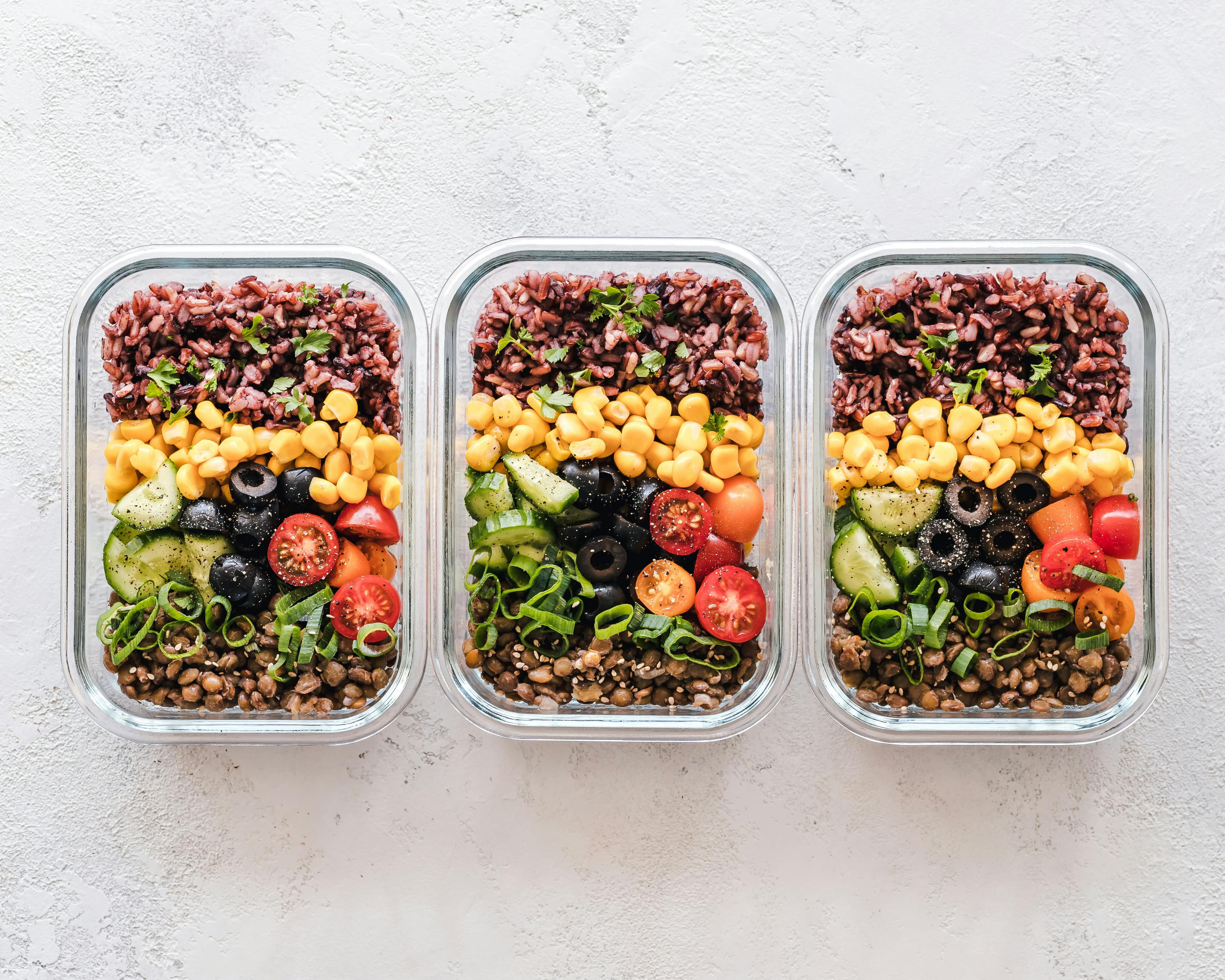
Understanding **how many calories are in common foods** is the foundation of successful calorie tracking and weight management. Whether you're trying to lose weight, maintain your current weight, or build muscle, knowing the calorie content of everyday foods helps you make informed decisions about portion sizes and meal planning. This comprehensive reference guide covers 100+ common foods organized by category — fruits, vegetables, proteins, grains, dairy, nuts, and beverages — with accurate calorie counts, portion sizes, and practical tips for tracking. All data is based on USDA nutrition databases and standardized serving sizes.
Key Takeaways
- ✓Fruits: 30-160 cal per serving (watermelon 30 cal/100g, avocado 160 cal/100g)
- ✓Vegetables: 10-50 cal per cup (most are very low calorie, high volume)
- ✓Proteins: 68-206 cal per 100g cooked (lean proteins lowest, fatty fish highest)
- ✓Grains: 112-389 cal per 100g (dry grains much higher than cooked)
- ✓Portion sizes matter: Cooked vs. dry, raw vs. cooked can double/triple calories
Understanding Calorie Counts: What You Need to Know
Before diving into specific foods, it's important to understand how calorie counts work:
Calories vs. Serving Size
Always pay attention to the serving size — calorie counts are meaningless without context:
- Per 100g: Standard measurement for comparing foods
- Per serving: Varies by food (1 cup, 1 medium fruit, 4 oz, etc.)
- Cooked vs. raw: Cooking changes weight due to water loss/gain
- Dry vs. cooked grains: Dry grains have 2-3x more calories than cooked
Cooking Method Impacts Calories
How you prepare food significantly affects calorie content:
- Grilling, baking, steaming: No added calories
- Frying: Adds 50-200+ calories from oil absorption
- Roasting with oil: Adds ~40 cal per tsp oil used
- Boiling grains: Increases weight 2-3x (dilutes calories per gram)
Calorie Density Matters
Calorie density = calories per gram or per volume:
- Low density: Vegetables, fruits (0.2-0.6 cal/g)
- Medium density: Lean proteins, whole grains (1.0-2.0 cal/g)
- High density: Nuts, oils, butter (5.0-9.0 cal/g)
💡 Tracking tip
Use a food scale for accuracy. Eyeballing portions can lead to 20-50% errors in calorie estimates. Weigh foods raw when possible, or use "cooked" entries in tracking apps.
Fruits: Calorie Content by Type
Fruits are generally low to moderate in calories, with most of their calories coming from natural sugars.
Common Fruits Calorie Chart
| Fruit | Serving Size | Calories | Per 100g |
|---|---|---|---|
| Apple | 1 medium (182g) | 95 | 52 |
| Banana | 1 medium (120g) | 90 | 89 |
| Orange | 1 medium (131g) | 62 | 47 |
| Strawberries | 1 cup (152g) | 49 | 32 |
| Blueberries | 1 cup (148g) | 84 | 57 |
| Grapes | 1 cup (151g) | 104 | 69 |
| Watermelon | 1 cup (152g) | 46 | 30 |
| Mango | 1 cup (165g) | 99 | 60 |
| Pineapple | 1 cup (165g) | 83 | 50 |
| Avocado | 1/2 medium (100g) | 160 | 160 |
| Pear | 1 medium (178g) | 100 | 57 |
| Peach | 1 medium (150g) | 59 | 39 |
| Grapefruit | 1/2 medium (123g) | 52 | 42 |
Key Insights: Fruits
- Lowest calorie: Watermelon (30 cal/100g), strawberries (32 cal/100g)
- Highest calorie: Avocado (160 cal/100g) due to healthy fats
- Moderate: Most fruits 50-100 cal per serving
- Dried fruit: 4-5x more calories than fresh (water removed)
- Fruit juice: Similar calories to whole fruit but no fiber, less filling
Vegetables: Calorie Content by Type
Vegetables are the lowest-calorie foods, making them perfect for volume eating during weight loss.
Common Vegetables Calorie Chart
| Vegetable | Serving Size | Calories | Per 100g |
|---|---|---|---|
| Broccoli (cooked) | 1 cup (156g) | 55 | 35 |
| Spinach (raw) | 1 cup (30g) | 7 | 23 |
| Carrots (raw) | 1 medium (61g) | 25 | 41 |
| Sweet potato (baked) | 1 medium (130g) | 103 | 86 |
| Kale (raw) | 1 cup (67g) | 33 | 49 |
| Zucchini (cooked) | 1 cup (180g) | 31 | 17 |
| Bell pepper (raw) | 1 medium (119g) | 24 | 20 |
| Cauliflower (cooked) | 1 cup (124g) | 29 | 25 |
| Green beans (cooked) | 1 cup (125g) | 44 | 35 |
| Tomato (raw) | 1 medium (123g) | 22 | 18 |
| Cucumber (raw) | 1 cup (104g) | 16 | 15 |
| Lettuce (raw) | 1 cup (36g) | 5 | 15 |
| Asparagus (cooked) | 1 cup (180g) | 40 | 22 |
Key Insights: Vegetables
- Lowest calorie: Lettuce, cucumber, celery (10-20 cal/100g)
- Starchy vegetables: Potatoes, sweet potatoes (70-90 cal/100g)
- Most vegetables: 20-50 cal per cup
- Cooking impact: Minimal calorie change, but volume decreases
- Best for weight loss: Fill half your plate with non-starchy vegetables
Proteins: Meat, Fish, Eggs, Plant-Based
Protein sources vary widely in calories depending on fat content. Lean proteins are lowest in calories.
Animal Proteins Calorie Chart
| Protein | Serving Size | Calories | Per 100g |
|---|---|---|---|
| Chicken breast (cooked, skinless) | 4 oz (113g) | 187 | 165 |
| Turkey breast (cooked) | 4 oz (113g) | 153 | 135 |
| Salmon (cooked) | 4 oz (113g) | 233 | 206 |
| Tuna (canned in water) | 4 oz (113g) | 97 | 86 |
| Cod (cooked) | 4 oz (113g) | 105 | 93 |
| Shrimp (cooked) | 4 oz (113g) | 112 | 99 |
| Lean beef 90% (cooked) | 4 oz (113g) | 240 | 212 |
| Pork chop (cooked) | 4 oz (113g) | 231 | 204 |
| Eggs | 1 large (50g) | 68 | 143 |
| Egg whites | 1 large (33g) | 17 | 52 |
Plant-Based Proteins Calorie Chart
| Protein | Serving Size | Calories | Per 100g |
|---|---|---|---|
| Tofu (firm) | 1/2 cup (126g) | 181 | 144 |
| Tempeh | 1/2 cup (83g) | 160 | 193 |
| Lentils (cooked) | 1 cup (198g) | 230 | 116 |
| Black beans (cooked) | 1 cup (172g) | 227 | 132 |
| Chickpeas (cooked) | 1 cup (164g) | 269 | 164 |
| Edamame (cooked) | 1 cup (155g) | 189 | 122 |
| Greek yogurt (nonfat) | 6 oz (170g) | 100 | 59 |
Key Insights: Proteins
- Leanest proteins: Cod (93 cal/100g), tuna (86 cal/100g), egg whites (52 cal/100g)
- Moderate: Chicken breast (165 cal/100g), turkey (135 cal/100g)
- Higher fat: Salmon (206 cal/100g), beef (212 cal/100g)
- Cooking method: Grilling vs. frying can add 100+ calories
- Skin on chicken: Adds 50-100 calories per serving
Grains and Starches: Rice, Pasta, Bread, Oats
IMPORTANT: Grains expand when cooked, so dry vs. cooked measurements are very different.
Grains Calorie Chart (Cooked vs. Dry)
| Grain | Serving | Calories | Per 100g Cooked | Per 100g Dry |
|---|---|---|---|---|
| White rice | 1 cup cooked | 205 | 130 | 365 |
| Brown rice | 1 cup cooked | 218 | 112 | 370 |
| Quinoa | 1 cup cooked | 222 | 120 | 368 |
| Oats | 1/2 cup dry | 150 | 71 (cooked) | 389 |
| Pasta | 1 cup cooked | 220 | 131 | 371 |
| Whole wheat bread | 1 slice (28g) | 80 | 247 | 247 |
| White bread | 1 slice (25g) | 67 | 265 | 265 |
| Potato (baked) | 1 medium (173g) | 161 | 93 | n/a |
| Corn (cooked) | 1 cup (145g) | 143 | 96 | n/a |
| Barley (cooked) | 1 cup (157g) | 193 | 123 | 354 |
Key Insights: Grains
- Dry grains: 350-390 cal/100g (very calorie-dense)
- Cooked grains: 110-130 cal/100g (water dilutes calories)
- Cooking ratio: Grains absorb 2-3x their weight in water
- Tracking tip: Always specify "cooked" or "dry" in your app
- Portion control: Use measuring cups for cooked grains
⚠️ Common tracking error
Logging "1 cup oats" without specifying dry vs. cooked can lead to 200+ calorie errors. 1 cup dry oats = 300 cal. 1 cup cooked oats = 150 cal. Always specify!
Dairy and Alternatives
Dairy products range from very low calorie (skim milk) to very high calorie (cheese, butter).
Dairy Calorie Chart
| Dairy Product | Serving Size | Calories | Per 100g |
|---|---|---|---|
| Skim milk | 1 cup (244g) | 83 | 34 |
| 2% milk | 1 cup (244g) | 122 | 50 |
| Whole milk | 1 cup (244g) | 149 | 61 |
| Almond milk (unsweetened) | 1 cup (240g) | 30 | 13 |
| Greek yogurt (nonfat) | 6 oz (170g) | 100 | 59 |
| Greek yogurt (full-fat) | 6 oz (170g) | 150 | 97 |
| Cottage cheese (low-fat) | 1 cup (226g) | 163 | 72 |
| Cheddar cheese | 1 oz (28g) | 114 | 403 |
| Mozzarella (part-skim) | 1 oz (28g) | 72 | 254 |
| Butter | 1 tbsp (14g) | 102 | 717 |
| Cream cheese | 1 tbsp (15g) | 51 | 342 |
Key Insights: Dairy
- Lowest calorie: Unsweetened almond milk (13 cal/100g), skim milk (34 cal/100g)
- Moderate: Greek yogurt nonfat (59 cal/100g), cottage cheese (72 cal/100g)
- Highest calorie: Butter (717 cal/100g), hard cheeses (300-400 cal/100g)
- Fat content matters: Nonfat vs. full-fat can double calories
- Portion control: Cheese is very calorie-dense, weigh it
Nuts, Seeds, and Nut Butters
Nuts and seeds are extremely calorie-dense due to high fat content. Portion control is critical.
Nuts and Seeds Calorie Chart
| Nut/Seed | Serving Size | Calories | Per 100g |
|---|---|---|---|
| Almonds | 1 oz (28g) | 164 | 579 |
| Walnuts | 1 oz (28g) | 185 | 654 |
| Cashews | 1 oz (28g) | 157 | 553 |
| Peanuts | 1 oz (28g) | 161 | 567 |
| Pistachios | 1 oz (28g) | 159 | 562 |
| Sunflower seeds | 1 oz (28g) | 165 | 584 |
| Pumpkin seeds | 1 oz (28g) | 158 | 559 |
| Chia seeds | 1 tbsp (12g) | 58 | 486 |
| Flaxseeds | 1 tbsp (10g) | 55 | 534 |
| Peanut butter | 1 tbsp (16g) | 94 | 588 |
| Almond butter | 1 tbsp (16g) | 98 | 614 |
Key Insights: Nuts and Seeds
- All nuts: 550-650 cal/100g (very calorie-dense)
- 1 oz serving: 160-185 calories (small handful)
- Nut butters: 90-100 cal per tablespoon
- Easy to overeat: Measure portions, don't eat from the bag
- Healthy fats: Nutritious but calorie-dense, portion control essential
Beverages: Water, Juice, Soda, Alcohol
Liquid calories add up quickly and don't provide satiety like solid foods.
Beverages Calorie Chart
| Beverage | Serving Size | Calories |
|---|---|---|
| Water | 1 cup (240ml) | 0 |
| Black coffee | 1 cup (240ml) | 2 |
| Coffee with cream & sugar | 1 cup (240ml) | 60-100 |
| Orange juice | 1 cup (240ml) | 112 |
| Apple juice | 1 cup (240ml) | 114 |
| Soda (regular) | 12 oz (355ml) | 140-150 |
| Soda (diet) | 12 oz (355ml) | 0-5 |
| Beer (regular) | 12 oz (355ml) | 150 |
| Wine (red/white) | 5 oz (148ml) | 120-125 |
| Vodka/spirits | 1.5 oz (44ml) | 97 |
| Latte (whole milk) | 12 oz (355ml) | 190 |
| Protein shake | 1 scoop (30g) | 110-130 |
Key Insights: Beverages
- Zero calorie: Water, black coffee, tea, diet soda
- Fruit juice: 110-120 cal per cup (no fiber, not filling)
- Soda: 140-150 cal per 12 oz (pure sugar)
- Alcohol: 7 cal/g (nearly as calorie-dense as fat)
- Coffee drinks: Can be 200-500 cal with milk, sugar, flavoring
💡 Liquid calorie trap
Drinking 2 sodas per day = 300 calories = 31 lbs of potential weight gain per year if not accounted for. Liquid calories don't trigger satiety like solid foods, making them easy to overconsume.
Practical Tips for Tracking Calories
1. Use a Food Scale
- Weighing food is 20-50% more accurate than measuring cups
- Especially important for calorie-dense foods (nuts, cheese, oils)
- Weigh raw when possible for consistency
- Digital scales cost $10-20 and last years
2. Specify Cooking Method
- Always log "cooked" vs. "raw" for meats and grains
- Cooking method matters: grilled vs. fried can add 100+ calories
- Use "no oil" or "dry" entries when applicable
- Check if your app entry matches your preparation
3. Read Nutrition Labels
- Serving size on label may differ from what you eat
- Check "servings per container" — often 2-3x what you expect
- Compare per 100g to standardize across brands
- Watch for "per serving" vs. "per package" confusion
4. Account for Cooking Oils and Condiments
- 1 tbsp oil = 120 calories (easy to forget)
- Butter, mayo, dressings add 50-100 cal per serving
- Measure condiments, don't eyeball
- Use cooking spray (0-5 cal) instead of pouring oil
5. Use Reliable Databases
- USDA FoodData Central: Most accurate for whole foods
- Verified entries in tracking apps (green checkmark)
- Scan barcodes for packaged foods
- Create custom foods for recipes you make often
Put This Into Practice — Free
Track your calories, macros, and nutrition with 300,000+ verified USDA foods. No account required, no subscription, no paywall — ever.
Frequently Asked Questions
How many calories are in common fruits?
Common fruits range from 30-160 calories per serving. Low-calorie: watermelon (30 cal/100g), strawberries (32 cal/100g), oranges (47 cal/100g). Moderate: apples (95 cal), bananas (90 cal), grapes (104 cal per cup). Higher-calorie: avocado (160 cal/100g) due to healthy fats. Most fruits are 50-100 calories per serving and are low in calorie density due to high water content.
What are the lowest calorie vegetables?
Lowest-calorie vegetables (per 100g): lettuce (15 cal), cucumber (15 cal), zucchini (17 cal), celery (16 cal), spinach (23 cal), tomatoes (18 cal), bell peppers (20 cal), cauliflower (25 cal), broccoli (35 cal). Most non-starchy vegetables are 10-50 calories per cup, making them perfect for volume eating during weight loss. Fill half your plate with these for maximum satiety with minimal calories.
How many calories in chicken breast?
Chicken breast (cooked, skinless): 165 calories per 100g or 187 calories per 4 oz serving. This is one of the leanest protein sources. Cooking method matters: grilled/baked adds no calories, but fried can add 100+ calories from oil. Chicken with skin adds 50-100 calories per serving. Always weigh after cooking for accuracy, as chicken loses ~25% of its weight during cooking.
How many calories in rice?
White rice (cooked): 130 calories per 100g or 205 calories per cup. Brown rice (cooked): 112 calories per 100g or 218 calories per cup. IMPORTANT: Dry rice has 365 calories per 100g — nearly 3x more than cooked. Always specify "cooked" when tracking. Rice absorbs water during cooking, which dilutes the calorie density. 1 cup dry rice = 3 cups cooked rice.
Why do cooked and raw foods have different calories?
Cooking changes food weight due to water loss or gain, but doesn't change total calories. Meats lose water (get lighter) → more calories per 100g cooked. Grains absorb water (get heavier) → fewer calories per 100g cooked. Example: 100g raw chicken = 120 cal. After cooking, it weighs 75g but still has 120 cal (160 cal/100g). Always track using the same state (raw or cooked) for consistency.
How many calories in nuts?
Nuts are very calorie-dense: 550-650 calories per 100g. Per 1 oz (28g) serving: almonds (164 cal), walnuts (185 cal), cashews (157 cal), peanuts (161 cal), pistachios (159 cal). Nut butters: 90-100 calories per tablespoon. While nutritious with healthy fats, nuts are easy to overeat. Measure portions carefully — a small handful (1 oz) is appropriate, not eating from the bag.
How can I track calories accurately?
For accurate tracking: (1) Use a food scale (20-50% more accurate than cups), (2) Weigh foods raw when possible for consistency, (3) Specify "cooked" vs. "raw" in tracking apps, (4) Account for cooking oils and condiments, (5) Use verified database entries (USDA, barcode scans), (6) Measure calorie-dense foods (nuts, cheese, oils) precisely. Eyeballing portions leads to significant errors, especially with high-calorie foods.