Best Foods for Weight Loss: 25 Science-Backed Options That Work
By Daily Nutrition Tracker Editorial Team · Reviewed by nutrition professionals
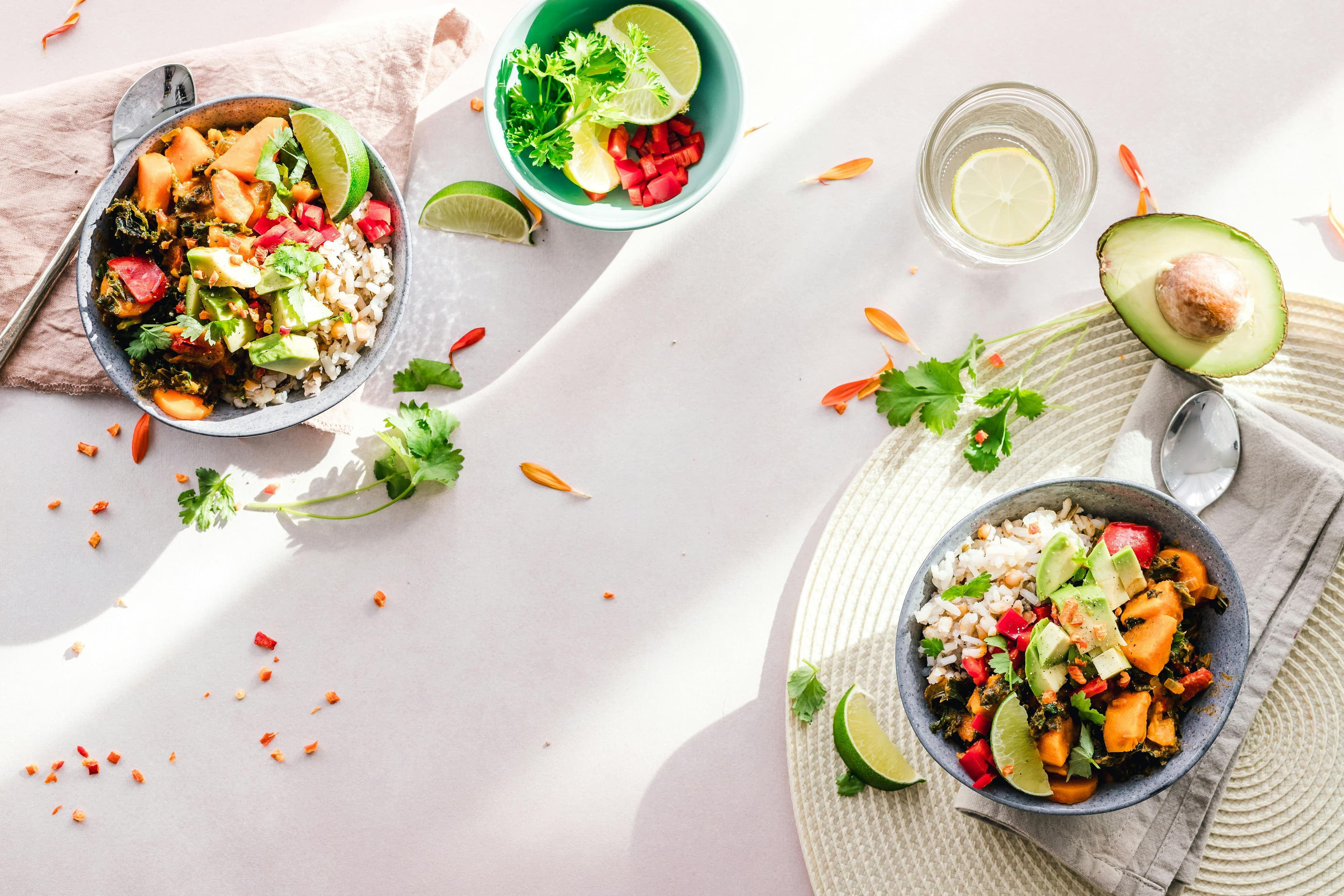
Not all foods are created equal when it comes to weight loss. The **best foods for weight loss** share key characteristics: they're high in protein, rich in fiber, low in energy density (few calories per volume), and highly satiating (keep you full). Research shows that certain foods — like eggs, leafy greens, lean proteins, legumes, and whole grains — consistently support fat loss by increasing fullness, preserving muscle mass, and making calorie deficits easier to maintain. This comprehensive guide covers 25 science-backed foods that help you lose weight sustainably, organized by category with practical tips for incorporating them into your diet.
Key Takeaways
- ✓High-protein foods (eggs, chicken, fish) increase satiety by 25% and preserve muscle during weight loss
- ✓Leafy greens and cruciferous vegetables provide volume with minimal calories (10-50 cal/cup)
- ✓Legumes combine protein + fiber for sustained fullness (15-16g fiber per cup)
- ✓Whole grains digest slowly and keep you full longer than refined grains
- ✓Low energy density foods let you eat more volume while staying in a calorie deficit
What Makes a Food "Best" for Weight Loss?
The best weight loss foods share specific characteristics that make calorie deficits easier to maintain:
Characteristic #1: High Protein Content
Protein increases satiety by 25% compared to carbs and fats:
- Triggers release of satiety hormones (GLP-1, PYY, CCK)
- Reduces hunger hormone ghrelin
- Higher thermic effect (burns 20-30% of calories during digestion)
- Preserves muscle mass during calorie restriction
- Stabilizes blood sugar to prevent energy crashes
Target: 25-30g protein per meal for maximum satiety
Characteristic #2: High Fiber Content
Fiber slows digestion and keeps you full for hours:
- Slows gastric emptying (food stays in stomach longer)
- Adds bulk without calories
- Stabilizes blood sugar levels
- Feeds beneficial gut bacteria
- Absorbs water and expands in stomach
Target: 25-30g fiber daily (most people only get 15g)
Characteristic #3: Low Energy Density
Energy density = calories per volume of food
Low energy density foods have high water and fiber content:
- Vegetables: 10-50 calories per cup (85-95% water)
- Fruits: 50-100 calories per cup (80-90% water)
- Lean proteins: 150-200 calories per 4 oz
- Whole grains: 150-200 calories per cup cooked
Benefit: Fill your stomach with fewer calories, triggering fullness signals
Characteristic #4: High Satiety Index Score
The Satiety Index measures how filling foods are per calorie:
- Boiled potatoes: Highest score (323)
- Fish: 225
- Oatmeal: 209
- Oranges: 202
- Apples: 197
- Whole wheat pasta: 188
- Beef: 176
- Eggs: 150
Strategy: Choose foods with high satiety scores to stay full on fewer calories
💡 The weight loss food formula
Best weight loss foods = High protein + High fiber + Low energy density + High satiety. Foods that check all four boxes (like legumes, fish, and vegetables) are the most effective for sustainable fat loss.
Category 1: High-Protein Foods (Eggs, Lean Meats, Fish)
Protein is the most important macronutrient for weight loss. These foods are protein powerhouses:
1. Eggs
Why they work: High protein, high fat, incredibly satiating
- Nutrition: 1 large egg = 70 cal, 6g protein, 5g fat
- Research: Eating eggs for breakfast increases fullness for 4 hours vs. cereal
- Benefit: Egg protein + high-fiber foods = maximum satiety
- How to eat: Scrambled, boiled, poached, or in omelets with vegetables
2. Chicken Breast
Why it works: Extremely high protein, low fat, versatile
- Nutrition: 4 oz = 185 cal, 35g protein, 4g fat
- Benefit: Preserves muscle mass during weight loss
- Tip: Remove skin to reduce calories and saturated fat
- How to eat: Grilled, baked, roasted, or sautéed with vegetables
3. Fish (Salmon, Cod, Tilapia)
Why it works: High protein, omega-3 fatty acids, supports thyroid function
- Nutrition: 4 oz salmon = 200 cal, 25g protein, 12g fat (omega-3)
- Nutrition: 4 oz cod = 110 cal, 28g protein, 1g fat
- Benefit: Omega-3s may boost metabolism and reduce inflammation
- Iodine: Supports thyroid function and metabolic rate
- How to eat: Baked, grilled, or pan-seared with lemon and herbs
4. Lean Beef (Tenderloin, Flank Steak)
Why it works: High protein, iron, satisfying
- Nutrition: 4 oz lean beef = 200 cal, 30g protein, 8g fat
- Benefit: Iron supports energy levels and prevents fatigue
- Tip: Choose lean cuts and limit to 2-3x per week
- Cooking: Grill, roast, or sauté; avoid frying
5. Greek Yogurt (Nonfat or Low-Fat)
Why it works: High protein, probiotics, versatile
- Nutrition: 6 oz nonfat = 100 cal, 18g protein
- Benefit: Probiotics support gut health and digestion
- Tip: Choose plain, unsweetened; add berries for flavor
- How to eat: Breakfast, snack, or dessert with fruit
6. Cottage Cheese (Low-Fat)
Why it works: High protein, high calcium, low calories
- Nutrition: 1 cup low-fat = 180 cal, 28g protein
- Benefit: Casein protein digests slowly, keeping you full longer
- How to eat: With fruit, on toast, or as a savory snack
Category 2: Vegetables (Leafy Greens, Cruciferous)
Vegetables are the ultimate low-energy-dense foods — high volume, minimal calories, packed with nutrients.
7. Leafy Greens (Spinach, Kale, Lettuce)
Why they work: Extremely low calories, high fiber, high volume
- Nutrition: 1 cup raw spinach = 7 cal, 0.7g fiber
- Nutrition: 1 cup kale = 33 cal, 2.6g fiber
- Thylakoids: Plant compounds linked to increased fullness
- How to eat: Salads, smoothies, sautéed, or in omelets
8. Cruciferous Vegetables (Broccoli, Cauliflower, Cabbage)
Why they work: High fiber, low calories, incredibly filling
- Nutrition: 1 cup broccoli = 31 cal, 2.4g fiber
- Nutrition: 1 cup cauliflower = 25 cal, 2.5g fiber
- Benefit: High fiber + low calories = perfect for weight loss
- How to eat: Roasted, steamed, or as cauliflower rice
9. Bell Peppers
Why they work: Low calories, high vitamin C, crunchy and satisfying
- Nutrition: 1 cup = 30 cal, 2.5g fiber
- Benefit: Vitamin C supports immune function
- How to eat: Raw with hummus, roasted, or in stir-fries
10. Cucumbers
Why they work: 96% water, extremely low calories, hydrating
- Nutrition: 1 cup = 16 cal, 0.5g fiber
- Benefit: Adds volume and crunch with almost no calories
- How to eat: Salads, snacks, or infused water
Category 3: Legumes (Beans, Lentils, Chickpeas)
Legumes combine protein + fiber for maximum satiety and sustained energy.
11. Lentils
Why they work: High protein, high fiber, resistant starch
- Nutrition: 1 cup cooked = 230 cal, 18g protein, 16g fiber
- Benefit: Fiber + protein combo keeps you full for hours
- Resistant starch: May improve insulin sensitivity
- How to eat: Soups, salads, curries, or as a side dish
12. Black Beans
Why they work: High protein, high fiber, versatile
- Nutrition: 1 cup cooked = 227 cal, 15g protein, 15g fiber
- Benefit: Stabilizes blood sugar and prevents cravings
- How to eat: Burritos, salads, soups, or as a side
13. Chickpeas
Why they work: High protein, high fiber, satisfying
- Nutrition: 1 cup cooked = 269 cal, 15g protein, 12g fiber
- Benefit: Great for plant-based protein
- How to eat: Roasted, in hummus, salads, or curries
Category 4: Whole Grains (Oats, Quinoa, Brown Rice)
Whole grains digest slowly and provide sustained energy without blood sugar spikes.
14. Oatmeal
Why it works: High fiber, absorbs water, very filling
- Nutrition: 1 cup cooked = 166 cal, 4g fiber, 6g protein
- Satiety Index: 209 (very high)
- Beta-glucan fiber: Increases fullness hormones
- How to eat: Breakfast with protein powder, berries, nuts
15. Quinoa
Why it works: Complete protein, high fiber, nutrient-dense
- Nutrition: 1 cup cooked = 222 cal, 8g protein, 5g fiber
- Benefit: Contains all 9 essential amino acids
- How to eat: Salads, bowls, or as a rice substitute
16. Brown Rice
Why it works: More fiber than white rice, slower digestion
- Nutrition: 1 cup cooked = 218 cal, 5g protein, 3.5g fiber
- Benefit: Keeps you full longer than white rice
- How to eat: Side dish, stir-fries, or bowls
17. Whole Wheat Bread
Why it works: More fiber than white bread, more filling
- Nutrition: 2 slices = 160 cal, 6g fiber, 8g protein
- Benefit: 6x more fiber than white bread
- How to eat: Toast, sandwiches, or with eggs
Category 5: Fruits (Berries, Apples, Citrus)
Fruits provide natural sweetness, fiber, and nutrients with relatively few calories.
18. Berries (Strawberries, Blueberries, Raspberries)
Why they work: Low calories, high fiber, high antioxidants
- Nutrition: 1 cup strawberries = 49 cal, 3g fiber
- Nutrition: 1 cup blueberries = 84 cal, 3.6g fiber
- Nutrition: 1 cup raspberries = 64 cal, 8g fiber
- Benefit: Satisfy sweet cravings with minimal calories
- How to eat: Snacks, smoothies, yogurt, or oatmeal
19. Apples
Why they work: High fiber, high water content, portable
- Nutrition: 1 medium = 95 cal, 4.4g fiber
- Satiety Index: 197 (high)
- Pectin fiber: Slows digestion and increases fullness
- How to eat: Snacks, with nut butter, or in salads
20. Grapefruit
Why it works: Low calories, high water content, may boost metabolism
- Nutrition: 1/2 grapefruit = 52 cal, 2g fiber
- Research: May improve insulin sensitivity
- How to eat: Breakfast, snack, or in salads
Category 6: Other Weight Loss Superfoods
21. Potatoes (Boiled or Baked)
Why they work: Highest satiety index score of all foods
- Nutrition: 1 medium = 163 cal, 3.8g fiber
- Satiety Index: 323 (highest of all foods tested)
- Resistant starch: Cooling after cooking increases resistant starch
- Tip: Avoid frying; bake or boil instead
- How to eat: Baked, boiled, or roasted (not fried)
22. Soups (Broth-Based)
Why they work: High water content, slows eating pace, very filling
- Research: Eating soup before meals reduces total calorie intake
- Benefit: Takes longer to eat (slurping, cooling, chewing)
- Best types: Vegetable-based, broth-based, or tomato-based
- Avoid: Creamy or cheesy soups (high calories)
- How to eat: Before meals or as a meal with protein
23. Avocados
Why they work: Healthy fats, high fiber, very satisfying
- Nutrition: 1/2 avocado = 120 cal, 5g fiber, 10g fat
- Benefit: Monounsaturated fats increase satiety
- Tip: Portion control is key (calorie-dense)
- How to eat: Toast, salads, or as a side
24. Nuts (Almonds, Walnuts)
Why they work: Protein + healthy fats + fiber = sustained fullness
- Nutrition: 1 oz almonds = 164 cal, 6g protein, 3.5g fiber
- Benefit: Satisfying snack that prevents overeating later
- Tip: Pre-portion (1 oz = small handful)
- How to eat: Snacks, salads, or with yogurt
25. Chia Seeds
Why they work: Extremely high fiber, absorbs water, expands in stomach
- Nutrition: 2 tbsp = 138 cal, 10g fiber, 5g protein
- Benefit: Absorbs 10-12x its weight in water
- How to eat: Chia pudding, smoothies, or oatmeal
How to Build Weight Loss Meals with These Foods
Use this formula to create satisfying, weight-loss-friendly meals:
The Plate Method for Weight Loss
50% Non-Starchy Vegetables (leafy greens, cruciferous, peppers)
- Provides volume and fiber with minimal calories
- Fills you up before higher-calorie foods
- Aim for 2-3 cups per meal
25% Lean Protein (chicken, fish, eggs, legumes)
- Increases satiety and preserves muscle
- Target 25-30g protein per meal
- Palm-sized portion (4-6 oz)
25% Whole Grains or Starchy Vegetables (quinoa, brown rice, potatoes)
- Provides sustained energy
- Choose whole grains over refined
- Fist-sized portion (1/2-1 cup)
Sample Weight Loss Meals
Breakfast (400 calories):
- 3 scrambled eggs (210 cal)
- 1 cup spinach (7 cal)
- 1/2 cup mushrooms (8 cal)
- 1 slice whole wheat toast (80 cal)
- 1 cup strawberries (49 cal)
Lunch (450 calories):
- 5 oz grilled chicken (230 cal)
- Large salad: 3 cups mixed greens (30 cal)
- 1 cup cherry tomatoes (27 cal)
- 1 cup cucumber (16 cal)
- 2 tbsp balsamic vinegar (28 cal)
- 1 medium apple (95 cal)
Dinner (500 calories):
- 5 oz baked salmon (250 cal)
- 2 cups roasted broccoli (62 cal)
- 1 medium baked potato (163 cal)
- 1 tsp olive oil (40 cal)
Snacks (200 calories):
- 6 oz nonfat Greek yogurt (100 cal) + 1/2 cup blueberries (42 cal)
- OR 1 oz almonds (164 cal)
Daily Total: 1,550 calories, 120g protein, 40g fiber
Foods to Limit or Avoid for Weight Loss
While focusing on the best foods, also minimize these weight loss saboteurs:
High-Calorie, Low-Satiety Foods
- Sugary drinks: Soda, juice, sweetened coffee (0 satiety, high calories)
- Refined grains: White bread, white rice, pastries (low fiber, blood sugar spikes)
- Fried foods: French fries, fried chicken (high calories, low nutrients)
- Candy and sweets: High sugar, no protein or fiber
- Processed snacks: Chips, crackers, cookies (engineered to be addictive)
- Alcohol: 7 cal/g, lowers inhibitions, increases appetite
Why These Foods Sabotage Weight Loss
- High energy density: Many calories in small portions
- Low satiety: Don't trigger fullness signals
- Blood sugar spikes: Lead to crashes and cravings
- Hyperpalatable: Engineered to override satiety signals
- Easy to overeat: Can consume 1,000+ calories before feeling full
⚠️ The 80/20 rule
Aim for 80% of your diet to come from the 25 best foods listed above. The remaining 20% can include treats and less-optimal foods for sustainability. Perfection isn't required — consistency is what matters for long-term weight loss success.
Put This Into Practice — Free
Track your calories, macros, and nutrition with 2.3M+ verified foods. No account required, no subscription, no paywall — ever.
Frequently Asked Questions
What are the best foods for weight loss?
The best foods for weight loss are high in protein, fiber, and water while being low in calories. Top choices include: (1) Eggs (high protein, increases fullness 4 hours), (2) Leafy greens (10-50 cal/cup, high volume), (3) Lean proteins like chicken and fish (preserve muscle, increase satiety), (4) Legumes (protein + fiber combo), (5) Whole grains (slow digestion, sustained energy), (6) Berries (low calories, high fiber). These foods keep you full while maintaining a calorie deficit.
What foods help you lose belly fat?
No food specifically targets belly fat, but foods that support overall fat loss include: high-protein foods (eggs, chicken, fish), fiber-rich vegetables (broccoli, spinach), whole grains (oats, quinoa), and legumes (lentils, beans). These foods increase satiety, preserve muscle mass, and make calorie deficits easier to maintain. Spot reduction is a myth — total body fat loss (through calorie deficit) reduces belly fat over time.
What should I eat to lose weight fast?
For sustainable weight loss (1-2 lbs/week), focus on: (1) High-protein foods at every meal (25-30g protein), (2) Fill half your plate with non-starchy vegetables, (3) Choose whole grains over refined grains, (4) Drink water before meals, (5) Limit processed foods and added sugars. Avoid crash diets — they lead to muscle loss and rebound weight gain. Sustainable fat loss comes from consistent, moderate calorie deficits with nutrient-dense foods.
Are eggs good for weight loss?
Yes, eggs are excellent for weight loss. They're high in protein (6g per egg) and fat, which increase satiety. Research shows eating eggs for breakfast increases fullness for 4 hours compared to cereal. Eggs also preserve muscle mass during calorie restriction and have a high satiety index score. Eat 2-3 eggs per meal for maximum benefit, combined with vegetables for added fiber and volume.
Can I eat potatoes and lose weight?
Yes, potatoes can support weight loss when prepared correctly. Boiled or baked potatoes have the highest satiety index score (323) of all foods tested, meaning they keep you full longer per calorie. They're also high in resistant starch (especially when cooled after cooking), which may improve metabolism. Avoid fried potatoes (french fries, chips) — stick to boiled, baked, or roasted preparations without excess oil or butter.
What fruits are best for weight loss?
Best fruits for weight loss are low in calories and high in fiber and water: (1) Berries (strawberries 49 cal/cup, raspberries 64 cal/cup, blueberries 84 cal/cup), (2) Apples (95 cal, 4.4g fiber), (3) Grapefruit (52 cal per half), (4) Watermelon (46 cal/cup), (5) Oranges (62 cal). These fruits satisfy sweet cravings with minimal calories. Avoid fruit juice (no fiber, concentrated sugar) and dried fruit (calorie-dense).
How much protein should I eat to lose weight?
For weight loss, aim for 1.2-1.6g protein per kg body weight (0.5-0.7g per lb), distributed across meals. For a 150 lb person, that's 75-105g protein daily, or 25-30g per meal. High-protein diets (25-30% of calories) increase satiety by 25%, preserve muscle mass during calorie restriction, and have a higher thermic effect (burn more calories during digestion). Best sources: eggs, chicken, fish, Greek yogurt, cottage cheese, legumes.