How to Boost Metabolism: 12 Science-Backed Ways to Increase Metabolic Rate
By Daily Nutrition Tracker Editorial Team · Reviewed by nutrition professionals
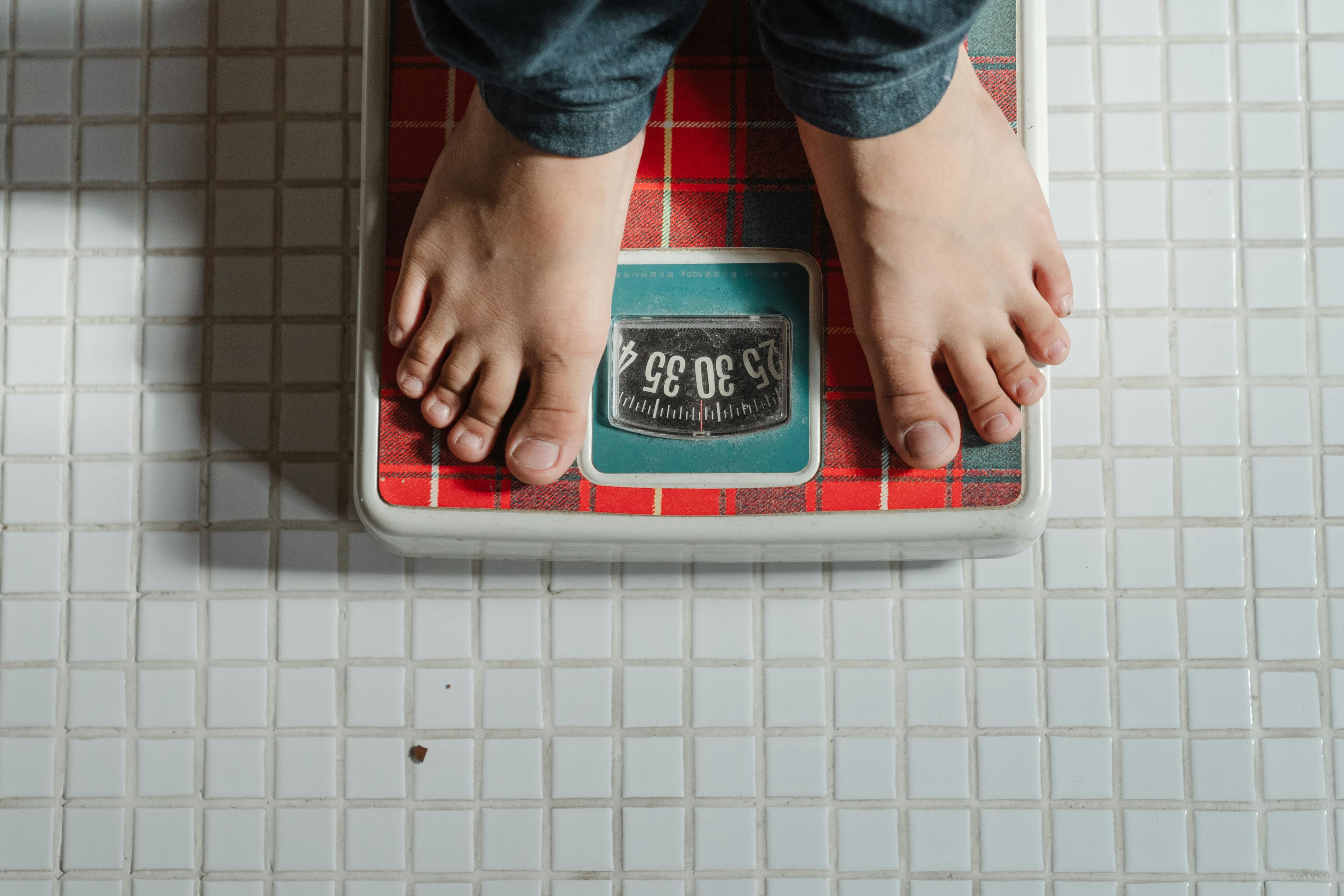
Your metabolism determines how many calories you burn each day — and boosting it can make weight loss easier. But can you actually increase your metabolism? **The answer is yes, but with realistic expectations**. While genetics are the biggest factor in your metabolic rate, research shows you can boost metabolism through specific lifestyle changes. From eating more protein (which increases calorie burn by 20-30%) to building muscle mass and doing high-intensity workouts, this guide reveals 12 science-backed strategies to naturally speed up your metabolism and burn more calories throughout the day.
Key Takeaways
- ✓Eating protein increases metabolism by 20-30% due to the thermic effect of food (TEF)
- ✓Building muscle raises your basal metabolic rate (BMR) — muscle burns more calories than fat even at rest
- ✓HIIT workouts boost metabolism for hours after exercise through EPOC (excess post-exercise oxygen consumption)
- ✓Drinking 3 cups of green tea daily can help burn an extra 100 calories per day
- ✓Poor sleep slows metabolism and increases hunger hormones, making weight loss harder
What is Metabolism and Can You Really Boost It?
Metabolism is the process through which your body converts food and drink into energy. This complex biochemical process powers everything from breathing and circulating blood to thinking and moving.
How Your Body Burns Calories
Your total daily energy expenditure (TDEE) comes from three main sources:
- Basal Metabolic Rate (BMR) — 60-75% of calories burned. Energy needed for basic functions like breathing, circulation, and cell repair while at rest
- Thermic Effect of Food (TEF) — 10% of calories burned. Energy required to digest, absorb, and process nutrients
- Activity Thermogenesis — 15-30% of calories burned. Energy used during exercise and daily movement (NEAT - non-exercise activity thermogenesis)
What Determines Your Metabolic Rate?
- Genetics — Your genetic makeup is the greatest determinant (60-80% of variation)
- Muscle mass — Muscle burns more calories than fat, even at rest
- Age — Metabolism slows 2-3% per decade after age 30
- Sex — Men typically have higher metabolic rates due to more muscle mass
- Body size — Larger bodies burn more calories
- Hormones — Thyroid hormones, insulin, and cortisol affect metabolism
ℹ️ Can you really boost metabolism?
Yes, but don't expect miracles. While you can't change your genetics, you can increase your metabolic rate by 5-15% through lifestyle changes like building muscle, eating protein, doing HIIT workouts, and optimizing sleep. These changes add up over time and make weight loss easier.
#1: Eat More Protein at Every Meal
Eating food temporarily increases your metabolism for a few hours due to the thermic effect of food (TEF) — the extra calories required to digest, absorb, and process nutrients.
20-30%
Metabolic increase from protein
Protein requires 20-30% of its calories to be burned during digestion vs. 5-10% for carbs and 0-3% for fats
If you eat 100 calories of protein, your body burns 20-30 of those calories just digesting it. Compare that to carbs (5-10 calories burned) and fats (0-3 calories burned).
Additional Benefits of High-Protein Diets
- Prevents muscle loss — Protein helps preserve muscle mass during weight loss
- Increases satiety — You feel fuller longer, reducing overall calorie intake
- Reduces metabolic slowdown — High-protein diets prevent the drop in metabolism that often occurs with dieting
💡 How much protein?
Aim for 25-30 grams of protein per meal (about a palm-sized portion of chicken, fish, or Greek yogurt). This maximizes the thermic effect and keeps you satisfied between meals.
#2: Do High-Intensity Interval Training (HIIT)
High-intensity interval training (HIIT) involves short bursts of intense exercise followed by rest periods. This type of workout is one of the most effective ways to boost metabolism.
The EPOC Effect (Afterburn)
HIIT creates excess post-exercise oxygen consumption (EPOC), also called the "afterburn effect." Your body continues burning calories at an elevated rate for hours after your workout ends as it:
- Restores oxygen levels
- Removes lactic acid
- Repairs muscle tissue
- Replenishes energy stores
- Returns body temperature to normal
Research shows HIIT can boost metabolism for up to 24 hours post-workout — significantly more than steady-state cardio.
Sample HIIT Workout for Beginners
- Warm-up: 5 minutes easy jogging or cycling
- Intervals: 30 seconds sprint, 90 seconds recovery (repeat 8-10 times)
- Cool-down: 5 minutes easy pace
- Total time: 20-25 minutes
⚠️ Start gradually
HIIT is intense and not suitable for everyone. If you're new to exercise or have health conditions, start with moderate-intensity workouts and consult a doctor before attempting HIIT.
#3: Build Muscle Through Strength Training
Muscle is more metabolically active than fat. Building muscle mass is one of the most effective long-term strategies to boost your basal metabolic rate (BMR).
6 cal/lb/day
Calories burned by muscle at rest
vs. 2 calories per pound for fat tissue
Every pound of muscle burns approximately 6 calories per day at rest, compared to only 2 calories per pound for fat. If you gain 10 pounds of muscle, you'll burn an extra 60 calories daily — even while sleeping.
Why Strength Training Works
- Increases resting metabolic rate — More muscle = higher BMR permanently
- Prevents age-related muscle loss — You naturally lose 3-8% of muscle per decade after age 30
- Creates EPOC effect — Heavy lifting boosts metabolism for 24-48 hours post-workout
- Preserves muscle during weight loss — Prevents metabolic slowdown from dieting
💡 How often to lift weights
Aim for 2-4 strength training sessions per week, targeting all major muscle groups. Focus on compound exercises like squats, deadlifts, bench press, and rows for maximum muscle-building efficiency.
#4: Stand Up More and Reduce Sitting Time
Sitting for long periods burns very few calories and can negatively impact your metabolism. Standing and moving throughout the day significantly increases calorie burn.
The Impact of Sitting vs. Standing
Research shows that standing burns 50% more calories than sitting. If you stand for 3 hours daily instead of sitting, you'll burn an extra 144 calories — that's 750 calories per week or 3,000 per month.
Ways to Increase NEAT (Non-Exercise Activity Thermogenesis)
- Use a standing desk — Alternate between sitting and standing throughout the day
- Take walking breaks — Stand up and walk for 5 minutes every hour
- Walk during phone calls — Pace while talking instead of sitting
- Take the stairs — Skip elevators whenever possible
- Park farther away — Add extra steps to your daily routine
- Do household chores — Cleaning, gardening, and organizing burn calories
A 2020 study found that using a standing desk and taking regular walking breaks reduced blood sugar and insulin levels while increasing calorie burn.
#5: Drink Green Tea or Oolong Tea
Green tea and oolong tea contain compounds that may boost metabolism and increase fat burning, especially when combined with exercise.
100 cal/day
Extra calories burned
From drinking 3 cups of green tea daily
How Green Tea Boosts Metabolism
- Caffeine — About 25mg per cup, stimulates metabolism
- EGCG (epigallocatechin gallate) — Powerful antioxidant that increases fat oxidation
- Affects gut microbiome — May improve how your body processes fats
- Converts stored fat to free fatty acids — Makes fat more available for burning
Research shows drinking about 3 cups of green tea daily can help burn an extra 100 calories per day. While modest, this adds up to 700 calories per week or 36,500 calories per year (equivalent to 10 pounds of fat).
ℹ️ Mixed research results
Some studies show green tea boosts metabolism, while others find minimal effects. The benefits may be small or only apply to certain people. However, green tea has many other health benefits, making it a worthwhile addition to your diet.
#6: Eat Spicy Foods
Peppers contain capsaicin, a compound that can temporarily boost your metabolism by increasing body temperature and calorie burn.
The Capsaicin Effect
A 2016 review found that eating peppers at acceptable doses burns around 10 additional calories per meal. Over 6.5 years, this could account for 1 pound of weight loss for an average-weight male.
While the effect is small, combining spicy foods with other metabolism-boosting strategies can provide a slight advantage. Plus, capsaicin may:
- Reduce appetite and calorie intake
- Increase fat oxidation
- Improve insulin sensitivity
- Reduce inflammation
💡 How to add spice
Add cayenne pepper, jalapeños, or hot sauce to meals. Start with small amounts if you're not used to spicy foods. The metabolism boost is modest, but every little bit helps.
#7: Get Quality Sleep (7-9 Hours)
Lack of sleep is linked to slower metabolism and weight gain. Poor sleep affects your hunger hormones, fat metabolism, and overall energy expenditure.
How Sleep Deprivation Affects Metabolism
- Increases ghrelin — Hunger hormone rises, making you eat more
- Decreases leptin — Satiety hormone drops, reducing fullness signals
- Slows fat metabolism — Your body processes fat less efficiently
- Increases insulin resistance — Makes it harder to burn stored fat
- Reduces energy expenditure — You move less and burn fewer calories
- Increases cortisol — Stress hormone promotes fat storage, especially belly fat
A 2019 study found that lack of sleep for 4+ nights slightly decreases how the body metabolizes fat. However, this effect is reversed by one good night's sleep.
⚠️ Sleep is non-negotiable
Aim for 7-9 hours of quality sleep per night. No amount of diet or exercise can compensate for chronic sleep deprivation. Prioritize sleep as much as nutrition and exercise for optimal metabolism.
#8: Drink Coffee
Caffeine from coffee can significantly boost metabolism and increase fat burning, especially during exercise.
How Caffeine Boosts Metabolism
Caffeine triggers the release of epinephrine (adrenaline), which signals fat cells to break down stored fat. It also:
- Increases metabolic rate by 3-11% — Higher doses have stronger effects
- Enhances fat burning during exercise — Especially effective for sedentary individuals
- Improves athletic performance — Allows you to work out harder and burn more calories
- Suppresses appetite — May reduce calorie intake
An 8-ounce cup of coffee contains about 100mg of caffeine. Research shows this amount can boost metabolism for several hours after consumption.
ℹ️ Caffeine tolerance
Regular coffee drinkers may develop tolerance, reducing the metabolism-boosting effects over time. The benefits are strongest for occasional caffeine users. Limit intake to 400mg daily (4 cups of coffee) to avoid side effects.
#9: Drink Cold Water
Drinking water, especially cold water, can temporarily boost metabolism as your body expends energy to heat the water to body temperature.
The Water-Induced Thermogenesis Effect
Studies show that drinking 17 ounces (500ml) of water increases metabolic rate by 10-30% for about an hour. Drinking cold water has a stronger effect because your body must warm it up.
If you drink 2 liters (68 ounces) of water daily, you could burn an extra 100 calories per day — equivalent to 36,500 calories or 10 pounds per year.
Additional Benefits of Drinking Water
- Reduces appetite when consumed before meals
- Prevents dehydration, which slows metabolism
- Improves exercise performance
- Supports kidney function and waste removal
#10: Eat at the Right Times
When you eat matters for metabolism. Research shows that the thermic effect of food (TEF) is higher in the morning and lower in the evening.
Circadian Rhythm and Metabolism
Your metabolism follows a circadian rhythm, with higher metabolic rates during the day and lower rates at night. This means:
- Eating larger meals earlier in the day — Burns more calories through TEF
- Eating breakfast — May boost metabolism and reduce overall calorie intake
- Avoiding late-night eating — Evening meals have lower TEF and may promote fat storage
- Consistent meal timing — Helps regulate metabolism and hunger hormones
💡 Front-load your calories
Try eating a larger breakfast and lunch, with a lighter dinner. This aligns with your body's natural metabolic rhythm and may help you burn more calories throughout the day.
#11: Don't Crash Diet
Severe calorie restriction (eating under 1,200 calories/day) can actually slow your metabolism, making weight loss harder in the long run.
Metabolic Adaptation from Crash Dieting
When you drastically cut calories, your body interprets this as starvation and slows your metabolism to conserve energy. This leads to:
- 10-25% drop in BMR — Your body burns fewer calories at rest
- Muscle loss — Your body breaks down muscle for energy, further lowering metabolism
- Increased hunger hormones — Ghrelin rises, making you constantly hungry
- Decreased thyroid hormones — Slows overall metabolic rate
- Reduced NEAT — You unconsciously move less throughout the day
⚠️ The right calorie deficit
Aim for a moderate deficit of 500-750 calories per day (1-1.5 lbs weight loss per week). This preserves muscle mass and metabolism while still creating fat loss. Avoid diets under 1,200 calories for women or 1,500 for men without medical supervision.
#12: Manage Stress Levels
Chronic stress raises cortisol levels, which can slow metabolism and promote fat storage, especially around the belly.
How Stress Affects Metabolism
- Elevated cortisol — Promotes fat storage and muscle breakdown
- Increased cravings — Stress triggers cravings for high-calorie comfort foods
- Poor sleep — Stress disrupts sleep, which further slows metabolism
- Reduced physical activity — Stress and fatigue decrease motivation to exercise
- Inflammation — Chronic stress increases inflammation, which impairs metabolism
Stress Management Strategies
- Practice meditation or deep breathing exercises
- Get regular exercise (reduces cortisol)
- Prioritize sleep and recovery
- Spend time in nature
- Connect with friends and family
- Limit caffeine and alcohol
- Seek professional help if needed
Metabolism Myths Debunked
There's a lot of misinformation about metabolism. Here are common myths:
Myth #1: Eating Small, Frequent Meals Boosts Metabolism
FALSE. Research shows that meal frequency doesn't significantly affect total daily calorie burn. What matters is total calories and macronutrient composition, not how many meals you eat.
Myth #2: Metabolism Slows Down After Age 30
PARTIALLY TRUE. Metabolism does slow with age, but mostly due to muscle loss, not aging itself. If you maintain muscle mass through strength training, you can largely prevent age-related metabolic decline.
Myth #3: Certain Foods Have "Negative Calories"
FALSE. No food requires more calories to digest than it provides. While celery and other low-calorie foods have a high TEF percentage, they still provide net calories.
Myth #4: Supplements Can Dramatically Boost Metabolism
MOSTLY FALSE. Most metabolism-boosting supplements have minimal effects or lack scientific evidence. Focus on proven strategies like exercise, protein intake, and sleep instead of expensive pills.
Put This Into Practice — Free
Track your calories, macros, and nutrition with 2.3M+ verified foods. No account required, no subscription, no paywall — ever.
Frequently Asked Questions
What is the fastest way to boost metabolism?
The fastest ways to boost metabolism are: 1) Eat more protein at every meal (20-30% thermic effect), 2) Do HIIT workouts (burns calories for 24 hours post-exercise), 3) Drink coffee or green tea (caffeine increases metabolic rate by 3-11%), and 4) Build muscle through strength training (muscle burns 3x more calories than fat at rest). Combining these strategies provides the biggest metabolic boost.
Can you permanently increase your metabolism?
Yes, but only through building muscle mass. Every pound of muscle burns approximately 6 calories per day at rest (vs. 2 calories for fat). If you gain 10 pounds of muscle through strength training, you permanently increase your basal metabolic rate by 60 calories daily. Other methods (caffeine, HIIT, protein) provide temporary boosts.
What foods boost metabolism the most?
Protein-rich foods boost metabolism the most due to the thermic effect of food (TEF). Your body burns 20-30% of protein calories during digestion vs. 5-10% for carbs and 0-3% for fats. Best metabolism-boosting foods: lean meats, fish, eggs, Greek yogurt, legumes, nuts, and seeds. Also beneficial: green tea, coffee, spicy peppers, and cold water.
Does drinking water boost metabolism?
Yes. Drinking 17 ounces (500ml) of water increases metabolic rate by 10-30% for about an hour. Cold water has a stronger effect because your body expends energy heating it to body temperature. Drinking 2 liters daily could burn an extra 100 calories per day. Staying hydrated also prevents metabolic slowdown from dehydration.
Why is my metabolism so slow?
Common causes of slow metabolism include: low muscle mass (muscle burns more calories than fat), age-related muscle loss (3-8% per decade after 30), crash dieting (severe calorie restriction slows BMR by 10-25%), poor sleep (disrupts hormones), chronic stress (elevates cortisol), and thyroid issues. Building muscle, eating enough protein, and getting quality sleep can help speed it up.
Does metabolism slow down when you diet?
Yes, metabolism slows during weight loss through "metabolic adaptation." Your body burns 10-25% fewer calories as you lose weight. This happens because: 1) You have less body mass to maintain, 2) Your body conserves energy, and 3) You may lose muscle. Prevent this by eating adequate protein (0.7-1g per pound), doing strength training, and avoiding extreme calorie deficits.
How much does muscle increase metabolism?
Each pound of muscle burns approximately 6 calories per day at rest, compared to 2 calories per pound for fat. If you gain 10 pounds of muscle, you'll burn an extra 60 calories daily (420 per week, 21,900 per year). While modest, this adds up over time and muscle also increases calorie burn during activity and creates the afterburn effect from workouts.
Free Calculators
Related Articles
Weight Loss
Why Am I Not Losing Weight? 14 Reasons
Discover why you're not losing weight and how to break through plateaus.
Protein
How Much Protein Per Day Do You Need?
Learn optimal protein intake for weight loss and muscle preservation.
Weight Loss
Best Diet for Weight Loss: 7 Diets Ranked
Compare evidence-based diets to find the best approach for your goals.