How to Lose Weight Without Counting Calories: 10 Proven Strategies
By Daily Nutrition Tracker Editorial Team · Reviewed by nutrition professionals
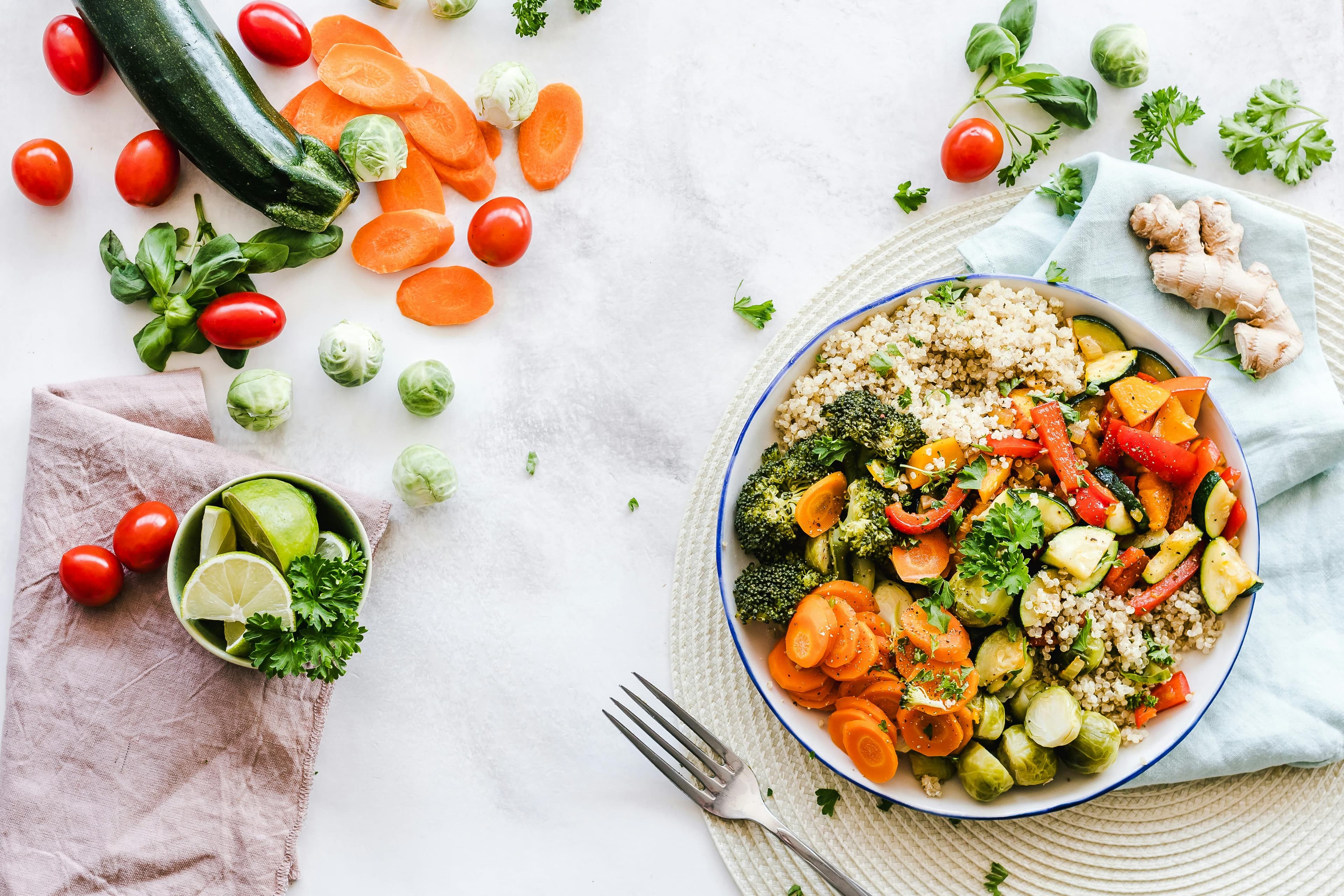
Calorie counting can be effective for weight loss, but it's not for everyone. Tracking every bite can be tedious, time-consuming, and for some people, it can lead to an unhealthy relationship with food. The good news? **You don't need to count calories to lose weight**. Research shows that focusing on food quality, eating habits, and lifestyle factors can lead to natural calorie reduction and sustainable weight loss. This guide explores 10 science-backed strategies to lose weight without ever tracking a calorie — from eating more protein and whole foods to using smaller plates and practicing mindful eating.
Key Takeaways
- ✓Increasing protein to 30% of calories leads to eating 441 fewer calories per day automatically
- ✓Using smaller plates tricks your brain into feeling satisfied with less food
- ✓Whole foods are more filling than processed foods — people eat 500 fewer calories/day on whole food diets
- ✓Mindful eating (eating slowly without distractions) reduces calorie intake by 10-15%
- ✓Poor sleep increases hunger hormones and causes 300-400 extra calories consumed the next day
Why Calorie Counting Isn't Always the Answer
While calorie counting works in theory (eat less than you burn = weight loss), it has significant practical and psychological limitations that make it unsustainable for many people.
Problems with Calorie Counting
- Time-consuming — Weighing, measuring, and logging every meal takes 15-30 minutes daily
- Inaccurate — Food labels can be off by 20%, restaurant meals vary widely, and people underestimate portions by 20-50%
- Not all calories are equal — 200 calories of chicken affects your body differently than 200 calories of candy
- Ignores food quality — Focuses on quantity over nutrition
- Can trigger disordered eating — Obsessive tracking, food anxiety, and unhealthy relationships with food
- Unsustainable long-term — 96% of people who lose weight regain it, partly due to unsustainable methods
- Ignores hunger signals — Teaches you to ignore your body's natural cues
The Science: Not All Calories Are Created Equal
Harvard research shows that how your body processes calories depends on:
- Food type — Ultra-processed foods cause 500 more calories consumed vs. whole foods (same calories available)
- Gut microbiome — Different bacteria extract different amounts of calories from food
- Metabolism — Your body has a "set point" that resists weight loss
- Thermic effect — Protein burns 20-30% of its calories during digestion vs. 5-10% for carbs/fat
ℹ️ The bottom line
Calorie counting is antiquated and often wrong. Focus on food quality, eating habits, and lifestyle improvements instead of obsessing over numbers. You can lose weight naturally by making sustainable changes that reduce calorie intake without tracking.
Put This Into Practice — Free
Track your calories, macros, and nutrition with 2.3M+ verified foods. No account required, no subscription, no paywall — ever.
Frequently Asked Questions
Can you really lose weight without counting calories?
Yes. Research shows you can lose weight by focusing on food quality and eating habits instead of tracking calories. Studies found people eating whole foods consumed 500 fewer calories per day vs. processed foods without counting. Increasing protein to 30% of calories led to eating 441 fewer calories automatically. Using smaller plates, mindful eating, and improving sleep all reduce calorie intake naturally without tracking.
What is the easiest way to lose weight without counting calories?
The easiest strategies are: 1) Eat more protein at every meal (keeps you fuller longer), 2) Fill half your plate with vegetables (low calorie, high volume), 3) Use smaller plates (tricks your brain into eating less), 4) Avoid liquid calories (soda, juice, alcohol), and 5) Eat whole foods instead of processed foods. These changes naturally reduce calorie intake without any tracking required.
How much protein should I eat to lose weight without counting calories?
Aim for a palm-sized portion of protein at each meal (about 30-40g). Research shows increasing protein to 30% of calories leads to eating 441 fewer calories per day automatically. Protein increases satiety, preserves muscle mass, and has a higher thermic effect (burns 20-30% of its calories during digestion). Good sources: chicken, fish, eggs, Greek yogurt, lean beef, tofu.
Does eating slowly help you lose weight?
Yes. Mindful eating (eating slowly without distractions) reduces calorie intake by 10-15% per meal. It takes 20 minutes for your brain to register fullness. Eating slowly allows satiety signals to reach your brain before you overeat. Studies show people who eat slowly consume significantly fewer calories and feel more satisfied than fast eaters.
Can I lose weight just by cutting out processed foods?
Yes. A 2019 study found people eating ultra-processed foods consumed 500 more calories per day compared to eating whole foods — even when both diets had identical calories, sugar, fat, and fiber available. Processed foods are engineered to be hyper-palatable and don't trigger fullness signals effectively. Switching to whole foods naturally reduces calorie intake without tracking.
How does sleep affect weight loss if I'm not counting calories?
Poor sleep (less than 7 hours) increases hunger hormones (ghrelin up 15%, leptin down 15%) and causes you to consume 300-400 more calories the next day without realizing it. Sleep deprivation also increases cravings for high-carb, high-sugar foods and reduces willpower. Prioritizing 7-9 hours of sleep nightly helps regulate appetite naturally without calorie counting.
What foods should I avoid to lose weight without counting calories?
Avoid: 1) Sugary drinks (soda, juice, sweetened coffee), 2) Ultra-processed foods (chips, cookies, candy, fast food), 3) Refined carbs (white bread, pasta, pastries), 4) High-calorie condiments (mayo, creamy dressings), and 5) Alcohol (7 calories per gram, inhibits fat burning). These foods are calorie-dense, low in nutrients, and don't trigger fullness. Eliminating them naturally creates a calorie deficit.
Free Calculators
Related Articles
Weight Loss
Why Am I Not Losing Weight? 14 Reasons
Discover why you're not losing weight and how to break through plateaus.
Weight Loss
How Many Calories to Lose Weight Calculator
Calculate your calorie deficit for weight loss goals.
Protein
How Much Protein Per Day Do You Need?
Learn optimal protein intake for weight loss and muscle preservation.