What to Eat to Lose Weight: Complete Food Guide + Meal Ideas
By Daily Nutrition Tracker Editorial Team · Reviewed by nutrition professionals
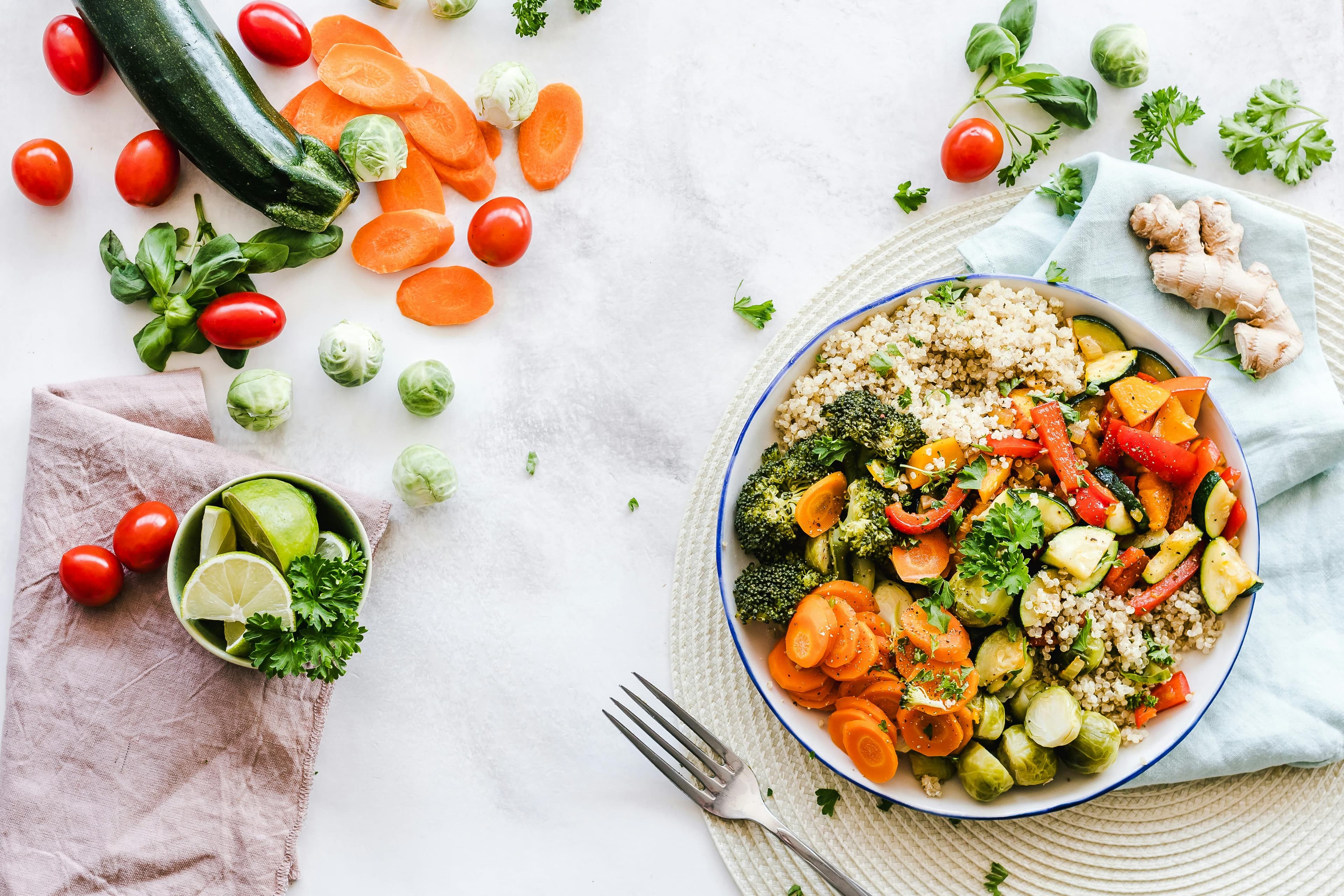
The question "what to eat to lose weight" is one of the most searched nutrition queries online — and for good reason. **Weight loss is 80% diet, 20% exercise**, so choosing the right foods is critical. But with conflicting advice everywhere, it's hard to know where to start. This comprehensive guide cuts through the confusion with science-backed recommendations on exactly what to eat for sustainable weight loss. You'll learn the best proteins, vegetables, fruits, whole grains, and healthy fats, plus portion sizes, meal timing strategies, and foods to avoid. No gimmicks, no fad diets — just proven nutrition principles that work.
Key Takeaways
- ✓Focus on whole, minimally processed foods: lean proteins, vegetables, fruits, whole grains, healthy fats
- ✓Prioritize protein (25-35g per meal) and fiber (25-35g daily) for maximum satiety
- ✓Fill half your plate with non-starchy vegetables at every meal
- ✓Avoid ultra-processed foods, sugary drinks, and refined carbs that spike blood sugar
- ✓Create a 500-750 calorie deficit through food choices, not extreme restriction
The Foundation: What Makes Foods Good for Weight Loss?
Not all foods are created equal when it comes to weight loss. The best foods share these characteristics:
Key Characteristics of Weight Loss Foods
- High in protein — Keeps you full 2-3x longer than carbs, preserves muscle during weight loss
- High in fiber — Slows digestion, stabilizes blood sugar, adds volume without calories
- Low energy density — Lots of food for fewer calories (vegetables, fruits, lean proteins)
- Minimally processed — Whole foods are more filling and nutritious than processed alternatives
- High water content — Adds volume and fullness (vegetables, fruits, soups)
- Low glycemic index — Prevents blood sugar spikes and crashes that trigger hunger
The Satiety Index
Research shows certain foods keep you full much longer than others. The Satiety Index ranks foods by how filling they are per calorie:
| Food | Satiety Score | Why It's Filling |
|---|---|---|
| Boiled potatoes | 323 | Highest satiety food, resistant starch |
| Fish | 225 | High protein, omega-3s |
| Oatmeal | 209 | Soluble fiber, expands in stomach |
| Oranges | 202 | High water, fiber, takes time to eat |
| Apples | 197 | Fiber, water, crunchy |
| Whole wheat pasta | 188 | Fiber, complex carbs |
| Beef | 176 | High protein, iron |
| Eggs | 150 | Protein, healthy fats |
| White bread | 100 | Baseline (least filling) |
ℹ️ Calorie deficit is king
No food magically burns fat. Weight loss requires a calorie deficit — consuming fewer calories than you burn. However, choosing filling, nutrient-dense foods makes it easier to maintain that deficit without constant hunger.
Best Proteins for Weight Loss
Protein is the most important macronutrient for weight loss. It preserves muscle mass, increases metabolism, and keeps you full longer than carbs or fats.
Lean Proteins (Prioritize These)
| Protein Source | Serving | Calories | Protein | Why Choose It |
|---|---|---|---|---|
| Chicken breast | 4 oz | 185 | 35g | Lean, versatile, affordable |
| Turkey breast | 4 oz | 120 | 26g | Very lean, high protein |
| Fish (cod, tilapia) | 4 oz | 110-120 | 24-26g | Lean, omega-3s |
| Salmon | 4 oz | 180 | 25g | Omega-3s, very filling |
| Shrimp | 4 oz | 120 | 23g | Very low calorie, high protein |
| Eggs | 2 large | 140 | 12g | Nutrient-dense, affordable |
| Egg whites | 4 whites | 68 | 14g | Pure protein, very low calorie |
| Greek yogurt (nonfat) | 1 cup | 130 | 23g | Probiotic, calcium, versatile |
| Cottage cheese (low-fat) | 1 cup | 160 | 28g | Highest protein per calorie |
| Tuna (water-packed) | 1 can | 120 | 26g | Convenient, affordable |
Plant-Based Proteins
| Food | Serving | Calories | Protein | Fiber |
|---|---|---|---|---|
| Lentils | 1 cup cooked | 230 | 18g | 16g |
| Black beans | 1 cup cooked | 227 | 15g | 15g |
| Chickpeas | 1 cup cooked | 269 | 15g | 12g |
| Tofu | 4 oz | 94 | 10g | 2g |
| Tempeh | 4 oz | 220 | 22g | 0g |
| Edamame | 1 cup | 188 | 17g | 8g |
How Much Protein?
- Target: 0.7-1g protein per pound of body weight daily
- Per meal: 25-35g protein to maximize satiety
- Example: 150 lb person = 105-150g protein daily
- Spread evenly: 3 meals with 30-40g protein each
💡 Protein at breakfast
Eating 25-35g protein at breakfast (eggs, Greek yogurt, protein shake) reduces hunger and calorie intake throughout the day by 15-20%. It also prevents mid-morning energy crashes and cravings.
Best Vegetables for Weight Loss
Vegetables are the ultimate weight loss food. Most contain 5-50 calories per cup, meaning you can eat huge portions while staying in a calorie deficit.
Non-Starchy Vegetables (Eat Unlimited)
- Leafy greens: Spinach, kale, lettuce, arugula, Swiss chard (5-10 cal/cup)
- Cruciferous: Broccoli, cauliflower, Brussels sprouts, cabbage (25-40 cal/cup)
- Peppers: Bell peppers, jalapeños (30 cal/cup)
- Cucumbers: 95% water, extremely low calorie (16 cal/cup)
- Tomatoes: Lycopene, versatile (32 cal/cup)
- Zucchini: Can replace pasta (20 cal/cup)
- Mushrooms: Meaty texture, umami flavor (15 cal/cup)
- Asparagus: Fiber, vitamin K (27 cal/cup)
- Green beans: Crunchy, fiber (44 cal/cup)
- Celery: Extremely low calorie, crunchy (16 cal/cup)
- Carrots: Sweet, crunchy, beta-carotene (52 cal/cup)
- Radishes: Peppery, crunchy (19 cal/cup)
Starchy Vegetables (Moderate Portions)
| Vegetable | Serving | Calories | Benefits |
|---|---|---|---|
| Sweet potato | 1 medium | 115 | Fiber (4g), vitamin A, filling |
| Regular potato | 1 medium | 163 | Highest satiety food, resistant starch |
| Corn | 1 cup | 143 | Fiber, satisfying |
| Peas | 1 cup | 134 | Protein (8g), fiber (9g) |
| Butternut squash | 1 cup | 82 | Vitamin A, naturally sweet |
How to Eat More Vegetables
- Fill half your plate at every meal
- Start meals with salad — reduces total calorie intake by 12-15%
- Snack on raw vegetables with hummus or Greek yogurt dip
- Add to everything — eggs, pasta, rice, soups, sandwiches
- Roast for flavor — brings out natural sweetness
- Keep pre-cut vegetables in the fridge for convenience
Best Fruits for Weight Loss
Fruits provide natural sweetness, fiber, vitamins, and antioxidants. Choose whole fruits over juice for maximum satiety and fiber.
Best Low-Calorie Fruits
| Fruit | Serving | Calories | Fiber | Why Choose It |
|---|---|---|---|---|
| Berries (mixed) | 1 cup | 60-85 | 4-8g | Lowest sugar, highest fiber |
| Watermelon | 2 cups | 80 | 1g | 92% water, high volume |
| Grapefruit | 1/2 medium | 52 | 2g | May boost metabolism |
| Apples | 1 medium | 95 | 4g | Crunchy, portable, filling |
| Oranges | 1 medium | 62 | 3g | Vitamin C, takes time to eat |
| Pears | 1 medium | 101 | 6g | Highest fiber of common fruits |
| Peaches | 1 medium | 58 | 2g | Low calorie, sweet |
| Plums | 2 medium | 60 | 2g | Low glycemic index |
| Kiwi | 2 medium | 84 | 4g | Vitamin C, fiber |
| Cantaloupe | 1 cup | 54 | 1g | 90% water, vitamin A |
Moderate-Calorie Fruits (Watch Portions)
- Bananas: 105 cal, potassium, portable (1 medium)
- Grapes: 104 cal per cup, easy to overeat (freeze for slower eating)
- Mango: 99 cal per cup, vitamin C, naturally sweet
- Pineapple: 82 cal per cup, digestive enzymes
Fruit Guidelines
- 2-3 servings daily — enough for nutrients without excess sugar
- Whole fruit only — avoid juice (no fiber, concentrated sugar)
- Pair with protein — apple + nut butter, berries + Greek yogurt
- Before meals — eating fruit 15 min before meals reduces calorie intake
- Frozen is fine — same nutrients, convenient, affordable
Best Whole Grains and Carbs
Carbs aren't the enemy — refined carbs are. Choose whole grains that provide fiber, vitamins, and sustained energy.
Best Whole Grains
| Grain | Serving | Calories | Fiber | Protein |
|---|---|---|---|---|
| Oatmeal | 1 cup cooked | 166 | 4g | 6g |
| Quinoa | 1 cup cooked | 222 | 5g | 8g |
| Brown rice | 1 cup cooked | 218 | 4g | 5g |
| Whole wheat pasta | 1 cup cooked | 174 | 6g | 7g |
| Barley | 1 cup cooked | 193 | 6g | 4g |
| Farro | 1 cup cooked | 200 | 5g | 7g |
| Wild rice | 1 cup cooked | 166 | 3g | 7g |
Portion Control with Grains
- Cooked grains: 1/2-3/4 cup (100-165 calories)
- Bread: 1-2 slices whole grain (80-160 calories)
- Pasta: 1 cup cooked (175-220 calories)
- Oatmeal: 1/2 cup dry = 1 cup cooked (150 calories)
Carb Timing Strategy
For optimal fat loss, consume most carbs around workouts:
- Pre-workout (1-2 hours before): Oatmeal, banana, whole grain toast
- Post-workout (within 1 hour): Rice, quinoa, sweet potato
- Other meals: Focus on protein + vegetables, minimal grains
- Evening: Lower carb meals improve sleep and fat burning overnight
Healthy Fats for Weight Loss
Fats are calorie-dense (9 cal/gram) but essential for hormone production, nutrient absorption, and satiety. Include small amounts daily.
Best Healthy Fats
| Fat Source | Serving | Calories | Benefits |
|---|---|---|---|
| Avocado | 1/4 medium | 80 | Fiber, potassium, monounsaturated fats |
| Nuts (almonds, walnuts) | 1/4 cup | 200 | Protein, fiber, omega-3s |
| Nut butter | 1 tbsp | 95 | Protein, satisfying |
| Olive oil | 1 tbsp | 120 | Heart-healthy, anti-inflammatory |
| Fatty fish (salmon) | 4 oz | 180 | Omega-3s, protein |
| Chia seeds | 2 tbsp | 138 | Omega-3s, fiber (10g) |
| Flaxseeds | 2 tbsp | 75 | Omega-3s, fiber, lignans |
| Dark chocolate (85%+) | 1 oz | 170 | Antioxidants, satisfies cravings |
Fat Portion Guidelines
- Nuts: 1/4 cup or small handful (200 cal)
- Nut butter: 1-2 tbsp (95-190 cal)
- Avocado: 1/4-1/2 medium (80-160 cal)
- Oils: 1-2 tbsp for cooking (120-240 cal)
- Seeds: 1-2 tbsp (75-140 cal)
⚠️ Easy to overeat
Healthy fats are nutritious but calorie-dense. A handful of nuts can be 300+ calories. Always measure portions — don't eat directly from the container. Use a food scale or measuring spoons for accuracy.
Foods to Avoid or Limit
These foods sabotage weight loss by providing lots of calories with minimal satiety:
Ultra-Processed Foods
- Sugary drinks: Soda, juice, sweetened coffee drinks (150-400 cal, zero satiety)
- Candy and sweets: High sugar, no nutrients, triggers cravings
- Chips and crackers: High calorie, easy to overeat, not filling
- Pastries and baked goods: Refined flour + sugar + fat = calorie bomb
- Fast food: High calorie, high sodium, low nutrients
- Processed meats: Hot dogs, sausages (high sodium, preservatives)
- Sugary cereals: Refined grains, added sugar, minimal protein/fiber
Refined Carbs
- White bread: Spikes blood sugar, not filling
- White rice: Lower fiber than brown rice
- White pasta: Refined flour, minimal nutrients
- Pastries: Refined flour + sugar
- Crackers: Often made with refined flour and oils
High-Calorie Condiments and Additions
| Item | Serving | Calories | Better Alternative |
|---|---|---|---|
| Mayonnaise | 1 tbsp | 90 | Greek yogurt (10 cal) |
| Ranch dressing | 2 tbsp | 140 | Balsamic vinegar (10 cal) |
| Butter | 1 tbsp | 100 | Olive oil spray (10 cal) |
| Cream cheese | 2 tbsp | 100 | Neufchatel cheese (70 cal) |
| Sour cream | 2 tbsp | 60 | Greek yogurt (20 cal) |
Alcohol
Alcohol provides 7 calories per gram (almost as much as fat) with zero nutrients:
- Beer (12 oz): 150 calories
- Wine (5 oz): 120-130 calories
- Cocktails: 200-500+ calories
- Lowers inhibitions → poor food choices
- Disrupts sleep and recovery
- Limit: 1-2 drinks per week maximum during weight loss
Sample Daily Meal Plan
1,500 Calorie Day (For Weight Loss)
Breakfast (400 calories)
- 3 eggs scrambled (210 cal, 18g protein)
- 2 cups spinach + mushrooms (30 cal)
- 1 slice whole wheat toast (80 cal)
- 1/2 avocado (80 cal)
- Coffee with splash of milk (0-20 cal)
Lunch (450 calories)
- 5 oz grilled chicken breast (230 cal, 35g protein)
- 4 cups mixed greens salad (40 cal)
- 1 cup cherry tomatoes, cucumbers, peppers (30 cal)
- 2 tbsp balsamic vinaigrette (60 cal)
- 1 medium apple (95 cal)
Snack (150 calories)
- Greek yogurt (3/4 cup) (100 cal, 17g protein)
- 1/2 cup berries (40 cal)
- 10 almonds (70 cal)
Dinner (500 calories)
- 5 oz baked salmon (225 cal, 28g protein)
- 1 medium sweet potato (115 cal)
- 2 cups roasted broccoli + Brussels sprouts (80 cal)
- 1 tsp olive oil for roasting (40 cal)
- Lemon, garlic, herbs (0 cal)
Total: 1,500 calories, 120g protein, 35g fiber
Practical Tips for Success
Meal Prep Strategy
- Prep proteins on Sunday (grill 3 lbs chicken, bake salmon)
- Wash and chop vegetables for the week
- Cook grains in batches (quinoa, brown rice)
- Portion snacks into containers
- Hard-boil 12 eggs for grab-and-go protein
Shopping List Essentials
- Proteins: Chicken breast, fish, eggs, Greek yogurt, cottage cheese
- Vegetables: Broccoli, spinach, peppers, cucumbers, tomatoes
- Fruits: Berries, apples, oranges, bananas
- Grains: Oats, quinoa, brown rice, whole wheat bread
- Fats: Avocados, nuts, olive oil
- Pantry: Spices, vinegar, mustard, hot sauce
Restaurant Strategies
- Order grilled/baked proteins (not fried)
- Ask for dressing on the side
- Substitute fries for vegetables or salad
- Skip the bread basket
- Drink water, not soda or alcohol
- Take half home for tomorrow
💡 The 80/20 rule
Eat nutritious, whole foods 80% of the time. Allow 20% flexibility for social events, treats, or less-than-perfect meals. This prevents burnout and makes weight loss sustainable long-term. Perfection isn't required — consistency is.
Put This Into Practice — Free
Track your calories, macros, and nutrition with 2.3M+ verified foods. No account required, no subscription, no paywall — ever.
Frequently Asked Questions
What should I eat to lose weight fast?
For healthy, sustainable weight loss: 1) Lean proteins at every meal (chicken, fish, eggs, Greek yogurt), 2) Fill half your plate with non-starchy vegetables, 3) Include 2-3 servings of fruit daily, 4) Choose whole grains in moderate portions (1/2-3/4 cup), 5) Add small amounts of healthy fats (avocado, nuts, olive oil), and 6) Drink water, not sugary drinks. Aim for 1-2 lbs loss per week by creating a 500-750 calorie deficit.
What foods help you lose belly fat?
No food specifically targets belly fat, but these foods support overall fat loss: 1) High-protein foods (preserve muscle, increase metabolism), 2) High-fiber foods (vegetables, fruits, whole grains), 3) Foods high in soluble fiber (oats, beans, apples), 4) Green tea (may boost metabolism slightly), and 5) Fatty fish (omega-3s reduce inflammation). Combine with calorie deficit and exercise for best results.
Can I eat carbs and still lose weight?
Yes! Carbs don't prevent weight loss — excess calories do. Choose whole grains (oats, quinoa, brown rice) over refined carbs (white bread, pastries). Portion control is key: 1/2-3/4 cup cooked grains per meal. Time carbs around workouts for energy. Many people successfully lose weight eating 40-50% of calories from healthy carbs while maintaining a calorie deficit.
What should I eat for breakfast to lose weight?
Best weight loss breakfasts include 25-35g protein: 1) 3 eggs + vegetables + whole wheat toast (400 cal), 2) Greek yogurt + berries + nuts (300 cal), 3) Oatmeal + protein powder + banana (350 cal), 4) Protein smoothie with spinach + berries (300 cal), or 5) Cottage cheese + fruit + almonds (300 cal). High-protein breakfasts reduce hunger and calorie intake throughout the day by 15-20%.
How much should I eat to lose weight?
Calculate your TDEE (total daily energy expenditure), then subtract 500-750 calories for 1-2 lbs weekly loss. Most women lose weight on 1,200-1,500 calories; most men on 1,500-1,800 calories. Never go below 1,200 (women) or 1,500 (men) without medical supervision. Focus on nutrient-dense foods to meet nutritional needs within your calorie budget.
What foods should I avoid to lose weight?
Avoid or limit: 1) Sugary drinks (soda, juice, sweetened coffee), 2) Ultra-processed foods (chips, candy, pastries), 3) Refined carbs (white bread, white rice, pastries), 4) Fried foods, 5) High-calorie condiments (mayo, ranch dressing), 6) Alcohol (7 cal/gram, lowers inhibitions), and 7) Processed meats. These provide lots of calories with minimal satiety and nutrients.
Is it better to eat 3 meals or 6 small meals for weight loss?
Total calories matter more than meal frequency. Both approaches work if you maintain a calorie deficit. 3 larger meals (400-500 cal each) work well for most people and simplify meal planning. 5-6 smaller meals (200-300 cal) can help if you get very hungry between meals. Choose the pattern that fits your lifestyle and helps you stick to your calorie goal.