Meal Prep for Weight Loss: Complete Beginner's Guide + 50 Ideas
By Daily Nutrition Tracker Editorial Team · Reviewed by nutrition professionals
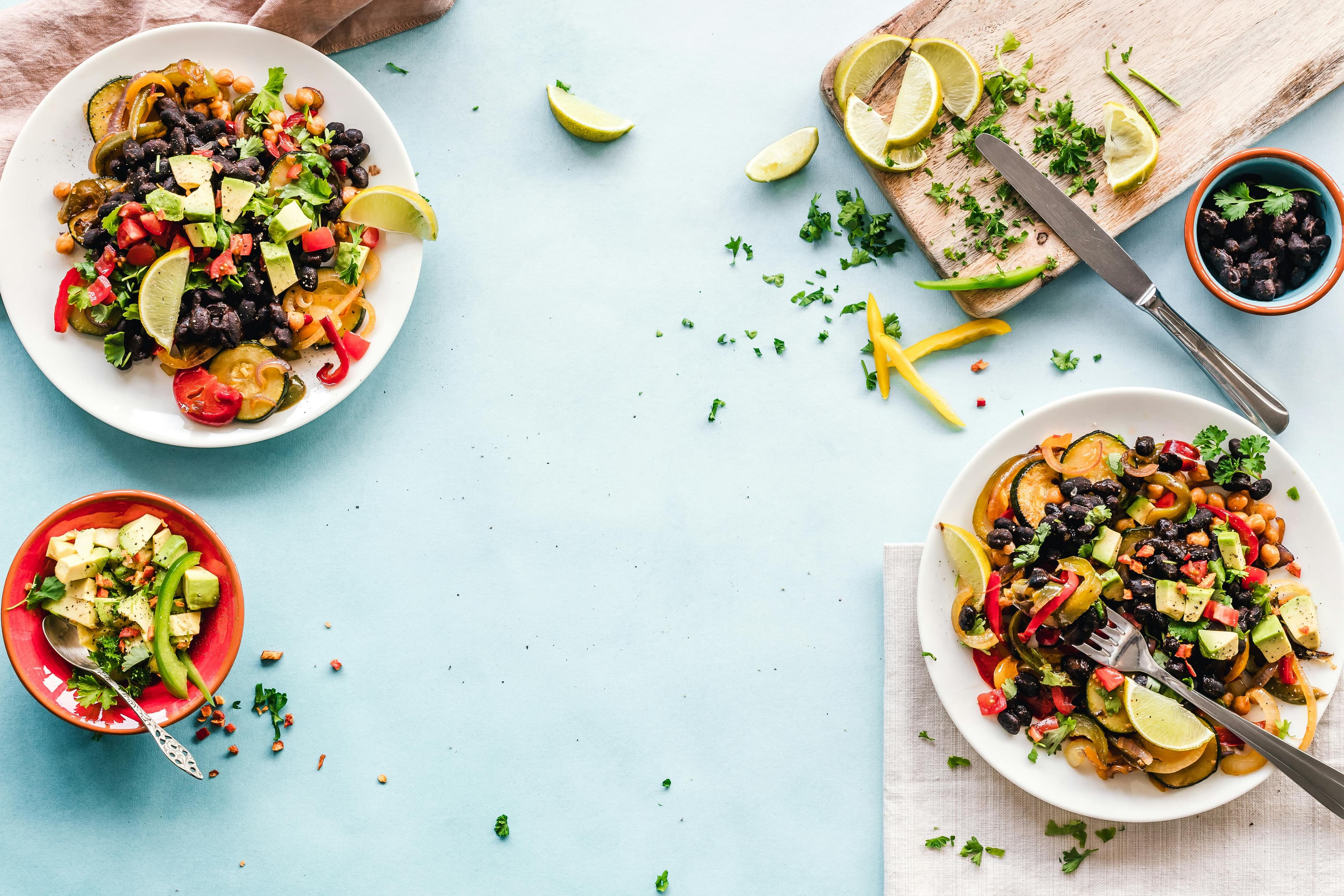
**Meal prep for weight loss** is one of the most powerful strategies for achieving your goals. Studies show that people who meal prep are more likely to stick to their diet, eat healthier foods, and lose weight successfully. But where do you start? This comprehensive guide covers everything from beginner basics to advanced strategies. You'll learn the 3 main meal prep methods, 50+ healthy meal ideas, shopping lists, portion control techniques, and time-saving tips to make meal prep sustainable for life — not just a temporary fix.
Key Takeaways
- ✓Meal prep saves 3-5 hours per week and prevents impulsive, high-calorie food choices
- ✓Start with 3-4 meals per week, not full week — prevents burnout and food waste
- ✓Use the "mix and match" method: prep proteins, carbs, and veggies separately for variety
- ✓Invest in quality containers (glass or BPA-free plastic) with portion control sections
- ✓Prep high-protein, high-fiber meals to stay full and preserve muscle during weight loss
Why Meal Prep Works for Weight Loss
Meal prep isn't just a trend — it's backed by science. Here's why it's so effective for weight loss:
Benefits of Meal Prepping
- Prevents impulsive eating — No more grabbing fast food when hungry
- Built-in portion control — Pre-portioned meals prevent overeating
- Saves time — 3-5 hours saved per week on cooking and decisions
- Saves money — Reduces food waste and expensive takeout
- Reduces decision fatigue — No daily "what should I eat?" stress
- Ensures balanced nutrition — Plan macros and calories in advance
- Increases adherence — People who meal prep stick to diets 2-3x longer
- Reduces stress — Knowing meals are ready eliminates anxiety
The Science Behind Meal Prep Success
Research shows that planning meals in advance leads to:
- Higher diet quality scores
- More fruits and vegetables consumed
- Less processed food intake
- Better adherence to calorie goals
- Greater weight loss success (average 5-7 lbs more over 12 weeks)
ℹ️ Meal prep vs. no prep
Studies show meal preppers consume 150-300 fewer calories daily compared to those who don't prep. Over a week, that's 1,050-2,100 calories saved — equivalent to 0.3-0.6 lbs of fat loss just from better planning.
3 Main Meal Prep Methods
There are three approaches to meal prep. Choose the one that fits your lifestyle:
Method 1: Batch Cooking (Make-Ahead Meals)
Cook complete meals in large batches and portion into containers.
Best for: Busy professionals, beginners, people who eat the same meals regularly
Examples:
- Cook 6 servings of chicken stir-fry on Sunday
- Portion into 6 containers for lunches
- Grab and go each day
Pros: Minimal daily effort, perfect portions, very convenient
Cons: Can get boring, some foods don't reheat well
Method 2: Ingredient Prep (Mix and Match)
Prep individual components (proteins, carbs, veggies) and mix them differently each day.
Best for: People who crave variety, those with unpredictable schedules
Examples:
- Grill 3 lbs chicken, bake 2 lbs salmon
- Cook 4 cups quinoa, 4 cups brown rice
- Roast 3 sheet pans of vegetables
- Mix differently each day: Monday = chicken + quinoa + broccoli, Tuesday = salmon + rice + peppers
Pros: Maximum variety, prevents boredom, flexible
Cons: Requires more planning, need to assemble daily
Method 3: Hybrid Approach (Best of Both)
Prep some complete meals + some ingredients for flexibility.
Best for: Most people, sustainable long-term
Examples:
- Prep 3 complete lunches (batch cooking)
- Prep proteins and carbs for 4 dinners (ingredient prep)
- Buy fresh vegetables to add daily
- Prep overnight oats for breakfasts
Pros: Variety + convenience, sustainable, prevents burnout
Cons: Requires more containers and organization
💡 Start with ingredient prep
Beginners often think they need to prep complete meals, but ingredient prep is easier and more sustainable. Prep proteins, grains, and roasted vegetables separately, then mix and match throughout the week for variety.
Step-by-Step: How to Start Meal Prepping
Step 1: Choose Your Meals (Start Small)
Don't prep for the entire week on day one. Start with 3-4 meals to avoid burnout.
- Week 1: Prep 3 lunches only
- Week 2: Add 3 dinners
- Week 3: Add breakfast prep
- Week 4: Add snacks if needed
Step 2: Create Your Shopping List
Organize by category to save time at the store:
- Proteins: Chicken breast, ground turkey, salmon, eggs, Greek yogurt
- Carbs: Brown rice, quinoa, sweet potatoes, oats, whole wheat bread
- Vegetables: Broccoli, peppers, spinach, tomatoes, onions
- Healthy fats: Olive oil, avocados, nuts, seeds
- Pantry: Spices, sauces, canned beans, broth
Step 3: Schedule Your Prep Time
Block 2-3 hours on your calendar. Most people prep on:
- Sunday afternoon (most popular)
- Sunday evening after dinner
- Split: Wednesday + Sunday (mid-week refresh)
Step 4: Prep in Batches
Use your oven, stovetop, and slow cooker simultaneously:
- Oven: Roast vegetables + bake chicken (400°F, 25-30 min)
- Stovetop: Cook rice/quinoa + sauté ground turkey
- Slow cooker: Prepare chili or pulled chicken (set and forget)
- While things cook: Chop vegetables, portion snacks, prep overnight oats
Step 5: Portion and Store
- Let food cool before storing (prevents condensation)
- Use portion-controlled containers
- Label with contents and date
- Store in fridge (3-4 days) or freezer (2-3 months)
- Keep proteins separate from wet ingredients to prevent sogginess
50+ Meal Prep Ideas for Weight Loss
Breakfast Prep Ideas (300-400 calories)
- Overnight oats: Oats + protein powder + berries + chia seeds
- Egg muffins: Eggs + vegetables + cheese baked in muffin tins
- Greek yogurt parfaits: Yogurt + granola + fruit (layer separately)
- Breakfast burritos: Eggs + beans + salsa wrapped and frozen
- Protein pancakes: Batch cook, freeze, reheat in toaster
- Chia pudding: Chia + almond milk + protein powder + berries
- Hard-boiled eggs: Prep 12-18 for grab-and-go protein
- Smoothie packs: Pre-portion ingredients in freezer bags
Lunch Prep Ideas (400-500 calories)
- Chicken power bowls: Grilled chicken + quinoa + roasted vegetables
- Taco bowls: Ground turkey + rice + beans + salsa + avocado
- Asian chicken: Chicken + stir-fry vegetables + brown rice + teriyaki
- Mediterranean bowls: Chicken + hummus + cucumber + tomatoes + feta
- Burrito bowls: Chicken/beef + rice + beans + peppers + cheese
- Salmon bowls: Baked salmon + sweet potato + broccoli
- Turkey chili: Ground turkey + beans + tomatoes (freezes well)
- Chicken fajita bowls: Chicken + peppers + onions + rice
- Tuna salad: Tuna + Greek yogurt + celery + crackers on side
- Shrimp stir-fry: Shrimp + vegetables + rice noodles
Dinner Prep Ideas (400-500 calories)
- Sheet pan chicken: Chicken thighs + roasted vegetables
- Beef stir-fry: Lean beef + broccoli + peppers + brown rice
- Baked salmon: Salmon + asparagus + quinoa
- Turkey meatballs: Turkey meatballs + zucchini noodles + marinara
- Chicken curry: Chicken + curry sauce + cauliflower rice
- Pork tenderloin: Pork + roasted Brussels sprouts + sweet potato
- Vegetarian chili: Beans + vegetables + spices (freezes perfectly)
- Chicken enchiladas: Chicken + tortillas + sauce (freeze individual portions)
- Fish tacos: Grilled fish + cabbage slaw + corn tortillas
- Stuffed peppers: Ground turkey + rice + peppers + cheese
Snack Prep Ideas (100-200 calories)
- Protein boxes: Hard-boiled eggs + cheese + nuts + fruit
- Veggie packs: Sliced vegetables + hummus portions
- Greek yogurt cups: Portion yogurt + berries separately
- Trail mix: Portion nuts + seeds + dark chocolate chips
- Apple slices + nut butter: Pre-portion nut butter in small containers
- Protein balls: No-bake oat + protein powder + nut butter balls
- Cottage cheese cups: Cottage cheese + pineapple or berries
- Turkey roll-ups: Turkey + cheese + mustard rolled up
💡 The 3-3-3 formula
For easy meal prep, use the 3-3-3 formula: Choose 3 proteins, 3 carbs, and 3 vegetables. This gives you 27 different meal combinations from just 9 ingredients, preventing boredom while keeping prep simple.
Essential Meal Prep Tools
Containers (Most Important)
Glass containers: Best for reheating, no chemicals, last forever
- Get 10-15 containers in various sizes
- Look for compartmentalized options (protein, carb, veggie sections)
- Ensure they're microwave, dishwasher, and freezer safe
- Recommended: 2-3 cup capacity with dividers
BPA-free plastic: Lighter, cheaper, good for beginners
Cooking Tools
- Sheet pans (2-3): For roasting vegetables and proteins
- Large pots (2): For cooking grains, soups, chili
- Slow cooker or Instant Pot: Set-and-forget cooking
- Food scale: For accurate portion control
- Sharp knives: Makes chopping faster and safer
- Cutting boards (2): One for meat, one for vegetables
Storage and Organization
- Labels and markers: Date everything
- Freezer bags: For smoothie packs and bulk items
- Mason jars: Perfect for overnight oats and salads
- Snack containers: Small 1-cup containers for portions
Portion Control for Weight Loss
Meal prep only works if portions are correct. Here's how to portion for weight loss:
The Plate Method
- 1/2 plate: Non-starchy vegetables (broccoli, peppers, greens)
- 1/4 plate: Lean protein (4-6 oz)
- 1/4 plate: Complex carbs (1/2-3/4 cup cooked)
- Thumb-sized: Healthy fats (1-2 tbsp)
Portion Sizes by Macronutrient
| Food Type | Portion Size | Calories | Visual Guide |
|---|---|---|---|
| Protein (chicken, fish) | 4-6 oz | 150-250 | Palm of hand |
| Carbs (rice, quinoa) | 1/2-3/4 cup | 100-165 | Cupped hand |
| Vegetables | 1-2 cups | 25-50 | Both hands cupped |
| Healthy fats | 1-2 tbsp | 100-200 | Thumb |
| Nuts/seeds | 1/4 cup | 150-200 | Small handful |
Calorie Targets by Meal
- Breakfast: 300-400 calories
- Lunch: 400-500 calories
- Dinner: 400-500 calories
- Snacks (2): 100-200 calories each
- Total: 1,400-1,800 calories (adjust based on your needs)
⚠️ Weigh your food
Eyeballing portions leads to underestimating by 20-50%. Use a food scale for at least the first 2-3 weeks of meal prep to learn accurate portions. After that, you'll be able to estimate more accurately.
Food Safety and Storage
How Long Does Meal Prep Last?
| Food Type | Refrigerator (40°F) | Freezer (0°F) |
|---|---|---|
| Cooked chicken/turkey | 3-4 days | 2-3 months |
| Cooked beef/pork | 3-4 days | 2-3 months |
| Cooked fish | 2-3 days | 2 months |
| Cooked rice/grains | 4-6 days | 6 months |
| Roasted vegetables | 3-5 days | 10-12 months |
| Soups/stews | 3-4 days | 2-3 months |
| Hard-boiled eggs | 7 days | Not recommended |
Food Safety Tips
- Cool food quickly: Don't leave at room temp over 2 hours
- Label everything: Include date prepared
- Store properly: Fridge at 40°F or below, freezer at 0°F
- Reheat thoroughly: To 165°F internal temperature
- When in doubt, throw it out: Don't risk food poisoning
- Freeze extras: If you won't eat within 3-4 days
Best Foods for Meal Prep (Last Well)
- Proteins: Chicken thighs, ground turkey, hard-boiled eggs
- Carbs: Brown rice, quinoa, sweet potatoes, oats
- Vegetables: Broccoli, Brussels sprouts, peppers, carrots (roasted)
- Avoid: Delicate greens, crispy foods, cream-based sauces
Common Meal Prep Mistakes to Avoid
Mistake #1: Prepping Too Much at Once
Trying to prep for the entire week on day one leads to burnout. Start with 3-4 meals and build up gradually.
Mistake #2: Making the Same Meal Every Day
Eating chicken and broccoli 7 days straight gets boring fast. Use the mix-and-match method or prep 2-3 different meals.
Mistake #3: Not Investing in Good Containers
Cheap containers leak, stain, and break. Invest in quality glass or BPA-free plastic containers that last years.
Mistake #4: Forgetting to Season Food
Bland food = you won't eat it. Season generously with herbs, spices, and sauces. Store sauces separately if needed.
Mistake #5: Not Planning for Variety
Prep different proteins, carbs, and vegetables each week. Rotate recipes to prevent boredom.
Mistake #6: Storing Everything Together
Keep wet ingredients (sauces, dressings) separate until eating. Store crispy items separately to maintain texture.
Mistake #7: Not Tracking Calories
Meal prep doesn't automatically mean weight loss. Track portions and calories to ensure you're in a deficit.
⚠️ The biggest mistake
Perfectionism kills meal prep. You don't need Instagram-worthy containers or gourmet recipes. Simple, nutritious food in proper portions is all you need. Focus on consistency over perfection.
Sample Meal Prep Schedule
Here's a realistic 2.5-hour Sunday meal prep session:
Sunday 2:00 PM - 4:30 PM
2:00-2:15 PM: Setup and Prep
- Preheat oven to 400°F
- Get out all ingredients and containers
- Wash and chop vegetables
- Season proteins
2:15-2:45 PM: Start Cooking
- Put chicken breasts in oven (25-30 min)
- Put vegetables on sheet pan in oven
- Start rice cooker with brown rice
- Hard-boil 12 eggs on stovetop
2:45-3:15 PM: Continue Cooking
- Brown ground turkey on stovetop
- Prep overnight oats (5 servings)
- Portion snacks (nuts, yogurt, fruit)
- Check on oven items
3:15-3:45 PM: Assembly
- Let cooked food cool 10 minutes
- Portion chicken + rice + vegetables into 5 containers
- Portion ground turkey into 3 containers
- Peel hard-boiled eggs, store in container
3:45-4:00 PM: Storage and Cleanup
- Label all containers with date
- Store in fridge (eat within 3-4 days)
- Freeze extras if needed
- Clean up kitchen
Result: 5 lunches, 3 dinners, 5 breakfasts, snacks for the week!
Put This Into Practice — Free
Track your calories, macros, and nutrition with 2.3M+ verified foods. No account required, no subscription, no paywall — ever.
Frequently Asked Questions
How do I start meal prepping for weight loss?
Start small with 3-4 meals per week, not the full week. Choose simple recipes with protein, vegetables, and whole grains. Invest in 10-15 quality containers. Block 2-3 hours on Sunday to prep. Use the mix-and-match method: cook proteins, carbs, and vegetables separately, then combine differently each day for variety.
What are the best meals to meal prep for weight loss?
Best meals include: Chicken/turkey power bowls with quinoa and roasted vegetables, taco bowls with ground turkey and beans, baked salmon with sweet potato and broccoli, egg muffins for breakfast, overnight oats with protein powder, and turkey chili. Focus on high-protein, high-fiber meals that keep you full.
How long does meal prep last in the fridge?
Most cooked proteins last 3-4 days in the fridge. Cooked grains last 4-6 days. Roasted vegetables last 3-5 days. Fish only lasts 2-3 days. If you won't eat meals within this timeframe, freeze them immediately. Frozen meal prep lasts 2-3 months.
Can you lose weight just by meal prepping?
Meal prep helps weight loss by providing portion control and preventing impulsive eating, but you still need a calorie deficit. Studies show meal preppers consume 150-300 fewer calories daily and lose 5-7 lbs more over 12 weeks compared to non-preppers. Combine meal prep with tracking calories for best results.
What containers are best for meal prep?
Glass containers are best — they're microwave-safe, don't stain, and last forever. Look for compartmentalized containers (2-3 cup capacity) with dividers for protein, carbs, and vegetables. BPA-free plastic is a lighter, cheaper alternative. Get 10-15 containers in various sizes to start.
How much should I meal prep at once?
Beginners should prep 3-4 meals, not the full week. This prevents burnout and food waste. As you get comfortable, increase to 5-7 meals. Many people do a split prep: Sunday for 3-4 days, Wednesday for the rest of the week. This keeps food fresher and prevents boredom.
What foods should I avoid meal prepping?
Avoid: Delicate greens (wilt quickly), crispy foods (get soggy), cream-based sauces (separate), fresh herbs (turn brown), and cut avocados (oxidize). Instead, prep hardy vegetables, lean proteins, whole grains, and store sauces/dressings separately. Add delicate ingredients fresh when eating.