Intermittent Fasting for Beginners: Complete Guide to IF Schedules & Results
By Daily Nutrition Tracker Editorial Team · Reviewed by nutrition professionals
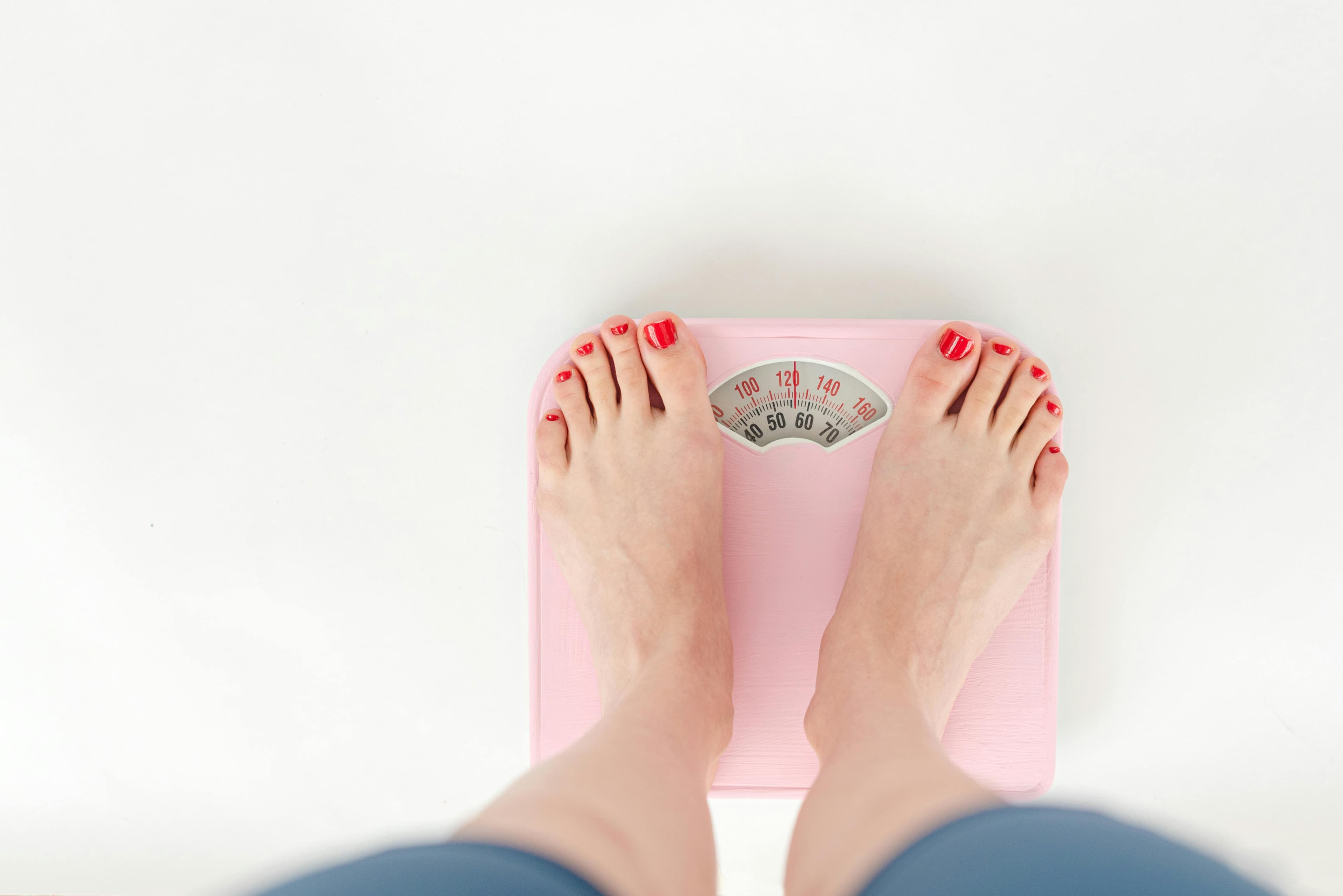
Intermittent fasting (IF) has exploded in popularity as a simple, flexible approach to weight loss and health improvement. Unlike traditional diets that focus on *what* you eat, **intermittent fasting focuses on *when* you eat** — cycling between periods of eating and fasting. Research shows IF can lead to 7-11 pounds of weight loss in 10 weeks, improved metabolism, better blood sugar control, and enhanced brain function. But if you're new to fasting, the variety of schedules and conflicting advice can be overwhelming. This comprehensive beginner's guide breaks down everything you need to know: 7 popular IF schedules, how to choose the right one, what to eat, common mistakes, and a step-by-step plan to start intermittent fasting safely and successfully.
Key Takeaways
- ✓Intermittent fasting leads to 7-11 lbs weight loss in 10 weeks by naturally reducing calorie intake
- ✓Start with 12:12 (12-hour fast) and gradually work up to 16:8 (16-hour fast, 8-hour eating window)
- ✓IF improves insulin sensitivity, metabolism, gut health, and may boost brain function
- ✓Not suitable for everyone: avoid if pregnant, breastfeeding, diabetic, or history of eating disorders
- ✓Focus on whole foods during eating windows — IF isn't a license to eat junk food
What is Intermittent Fasting?
Intermittent fasting (IF) is an eating pattern that alternates between periods of fasting (not eating) and eating. It doesn't specify *which* foods to eat, but rather *when* you should eat them.
How Intermittent Fasting Works
When you eat, your body uses glucose (from food) for energy and stores excess as fat. During fasting, your body:
- Depletes glucose stores — After 8-12 hours without food, your body runs out of readily available glucose
- Switches to fat burning — Your body starts breaking down stored fat for energy (ketosis)
- Increases insulin sensitivity — Insulin levels drop, making it easier to access stored fat
- Triggers cellular repair — Autophagy (cellular cleanup) increases, removing damaged cells
- Boosts metabolism — Contrary to myths, short-term fasting can increase metabolic rate by 3.6-14%
ℹ️ IF vs. starvation
Intermittent fasting is NOT starvation. Fasting periods are short (12-24 hours), and you eat adequate calories during eating windows. Your body adapts to use stored fat for fuel, which is exactly what you want for weight loss. Starvation involves prolonged calorie deprivation and muscle loss — completely different.
7 Intermittent Fasting Schedules for Beginners
There are several IF schedules to choose from. Start with easier methods and progress to more advanced schedules as your body adapts.
1. 12:12 Method (Best for Absolute Beginners)
- Fasting window: 12 hours
- Eating window: 12 hours
- Example schedule: Fast from 8 PM to 8 AM, eat from 8 AM to 8 PM
- Difficulty: Very Easy
- Best for: Complete beginners, people new to fasting, those with medical conditions
This is the gentlest introduction to IF. Most of your fasting happens while you sleep, making it easy to stick to. While weight loss may be slower than other methods, it's a great way to build the fasting habit.
2. 16:8 Method (Most Popular)
- Fasting window: 16 hours
- Eating window: 8 hours
- Example schedule: Fast from 8 PM to 12 PM (noon), eat from 12 PM to 8 PM
- Difficulty: Moderate
- Best for: Most people, sustainable long-term, flexible lifestyle
The 16:8 method is the most popular IF schedule because it's effective yet sustainable. You essentially skip breakfast and eat lunch and dinner within an 8-hour window. Research shows this method leads to significant weight loss and metabolic improvements.
💡 Why 16:8 works so well
By limiting your eating window to 8 hours, you naturally reduce calorie intake by 10-20% without consciously restricting. Plus, 16 hours of fasting is long enough to deplete glucose stores and switch to fat burning, but not so long that it's unbearable.
3. 14:10 Method (Easier Alternative to 16:8)
- Fasting window: 14 hours
- Eating window: 10 hours
- Example schedule: Fast from 7 PM to 9 AM, eat from 9 AM to 7 PM
- Difficulty: Easy to Moderate
- Best for: Women (who may respond better to shorter fasts), beginners transitioning to 16:8
4. 5:2 Diet (Flexible Weekly Approach)
- Fasting days: 2 non-consecutive days per week (eat 500-600 calories)
- Normal eating days: 5 days per week
- Example schedule: Fast on Monday and Thursday, eat normally Tue/Wed/Fri/Sat/Sun
- Difficulty: Moderate
- Best for: People who prefer flexibility, don't like daily fasting, social eaters
On fasting days, you eat about 25% of normal calories (500-600 calories). On normal days, you eat your regular diet. This method is popular because you only "suffer" 2 days per week.
5. Alternate Day Fasting (Advanced)
- Fasting days: Every other day (0-500 calories)
- Eating days: Every other day (normal eating)
- Difficulty: Hard
- Best for: Experienced fasters, those seeking aggressive weight loss
This is more extreme and harder to maintain. Not recommended for beginners.
6. Warrior Diet / 20:4 (Very Advanced)
- Fasting window: 20 hours (small amounts of raw fruits/veggies allowed)
- Eating window: 4 hours
- Example schedule: Fast from 8 PM to 4 PM, eat from 4 PM to 8 PM
- Difficulty: Very Hard
- Best for: Experienced fasters only
7. OMAD (One Meal a Day) — Most Extreme
- Fasting window: 23 hours
- Eating window: 1 hour
- Difficulty: Extremely Hard
- Best for: Very experienced fasters, not recommended for most people
⚠️ Don't start with extreme methods
Jumping straight into OMAD or 20:4 fasting is a recipe for failure. Your body needs time to adapt to fasting. Start with 12:12, progress to 14:10, then 16:8. Only consider more extreme methods after months of successful 16:8 fasting.
Intermittent Fasting Results: What to Expect
Weight Loss Results
7-11 lbs
Average weight loss in 10 weeks
Systematic review of 40 intermittent fasting studies
A comprehensive review of 40 studies found that intermittent fasting leads to 7-11 pounds of weight loss over 10 weeks. Individual results vary based on starting weight, adherence, and which IF method you choose.
Timeline of Results
| Timeframe | What to Expect | Notes |
|---|---|---|
| Week 1 | Hunger, adjustment, 1-3 lbs loss | Mostly water weight, body adapting |
| Week 2-4 | Easier fasting, 1-2 lbs/week loss | Fat burning increases, hunger decreases |
| Month 2-3 | Steady 1-2 lbs/week loss | Body fully adapted, sustainable rhythm |
| Month 3+ | 0.5-1 lb/week loss | Slower but sustainable, focus on maintenance |
Health Benefits Beyond Weight Loss
- Improved insulin sensitivity — Reduces insulin resistance, beneficial for prediabetes and type 2 diabetes
- Better metabolic health — Improved cholesterol, triglycerides, and blood pressure
- Enhanced gut health — Alters gut microbiota positively, improves digestion
- Increased autophagy — Cellular cleanup and repair, anti-aging benefits
- Better cognitive function — Some studies show improved memory and brain health
- Reduced inflammation — Lower inflammatory markers throughout the body
- Potential longevity benefits — Animal studies show increased lifespan (human research ongoing)
What to Eat During Your Eating Window
Intermittent fasting isn't a license to eat junk food. What you eat during your eating window matters just as much as when you eat.
Best Foods for Intermittent Fasting
- Protein: Chicken, fish, eggs, Greek yogurt, lean beef, tofu — keeps you full and preserves muscle
- Healthy fats: Avocado, nuts, seeds, olive oil, fatty fish — provides satiety and supports hormones
- Fiber-rich carbs: Vegetables, fruits, whole grains, legumes — fills you up with fewer calories
- Hydrating foods: Cucumbers, watermelon, berries, leafy greens — helps with satiety
- Nutrient-dense foods: Focus on whole, minimally processed foods to maximize nutrition in fewer meals
Foods to Limit or Avoid
- Ultra-processed foods — Chips, cookies, fast food (easy to overeat, low nutrients)
- Sugary drinks — Soda, juice, sweetened coffee (liquid calories don't fill you up)
- Refined carbs — White bread, pasta, pastries (spike blood sugar, increase hunger)
- Excessive alcohol — Inhibits fat burning, adds empty calories
Sample 16:8 Eating Window Meal Plan
Eating window: 12 PM - 8 PM
- 12 PM (First meal): Greek yogurt with berries and nuts, or eggs with avocado and whole grain toast
- 3 PM (Snack, optional): Apple with almond butter, or handful of nuts
- 6 PM (Dinner): Grilled chicken or fish, roasted vegetables, quinoa or sweet potato
- 7:30 PM (Optional light snack): Small portion of fruit or dark chocolate
💡 Break your fast wisely
Your first meal after fasting should be balanced and moderate. Avoid breaking your fast with sugary or highly processed foods, which can spike blood sugar and increase hunger. Start with protein and healthy fats for sustained energy.
What You Can Have During Fasting Windows
During fasting periods, the goal is to consume zero or minimal calories to maintain the fasted state.
Allowed During Fasting
- Water — Unlimited, stay well-hydrated
- Black coffee — No cream, milk, or sugar (small amounts of cinnamon are okay)
- Plain tea — Green tea, black tea, herbal tea (unsweetened)
- Sparkling water — Unflavored or naturally flavored (no sweeteners)
- Apple cider vinegar — Diluted in water (1-2 tablespoons)
- Salt/electrolytes — If fasting longer than 24 hours
NOT Allowed During Fasting (Breaks the Fast)
- Any food — Even small amounts
- Milk/cream in coffee — Contains calories and protein
- Sweeteners — Even zero-calorie sweeteners may trigger insulin response
- Diet soda — Artificial sweeteners may affect insulin
- Bone broth — Contains calories and protein
- Supplements with calories — Gummies, protein powder, etc.
ℹ️ The "dirty fast" debate
Some people practice "dirty fasting" — consuming small amounts of calories (under 50) during fasting windows, like cream in coffee or diet soda. While this may reduce some fasting benefits, it can make IF more sustainable for some people. If strict fasting feels too hard, a dirty fast is better than quitting entirely.
How to Start Intermittent Fasting: Step-by-Step Guide
Follow this beginner-friendly plan to start intermittent fasting safely and successfully:
Step 1: Choose Your Starting Schedule (Week 1-2)
Start with 12:12 fasting for the first 1-2 weeks. Example: Stop eating at 8 PM, don't eat again until 8 AM. This is barely different from normal eating and helps your body adapt.
Step 2: Progress to 14:10 (Week 3-4)
Extend your fast by 2 hours. Example: Stop eating at 7 PM, break fast at 9 AM. You'll start noticing reduced hunger and more energy.
Step 3: Move to 16:8 (Week 5+)
Once 14:10 feels comfortable, progress to 16:8 — the sweet spot for most people. Example: Stop eating at 8 PM, break fast at 12 PM (noon).
Step 4: Optimize Your Eating Window
- Eat 2-3 meals during your eating window
- Focus on protein (30-40g per meal) to preserve muscle and increase satiety
- Include plenty of vegetables and fiber
- Stay hydrated throughout the day
- Don't overcompensate by binge eating during eating windows
Step 5: Listen to Your Body and Adjust
IF should feel sustainable, not torturous. If you're constantly exhausted, irritable, or binge eating, adjust your schedule. Some people thrive on 16:8, others do better with 14:10 or 5:2.
Common Intermittent Fasting Mistakes to Avoid
1. Starting Too Aggressively
Jumping straight into OMAD or 20:4 fasting sets you up for failure. Start with 12:12 and progress gradually.
2. Eating Junk Food During Eating Windows
IF isn't magic. If you eat 3,000 calories of pizza and ice cream during your eating window, you won't lose weight. Focus on whole, nutrient-dense foods.
3. Not Drinking Enough Water
Dehydration makes fasting harder and can be mistaken for hunger. Drink at least 8-10 glasses of water daily, especially during fasting windows.
4. Ignoring Hunger Cues vs. True Deprivation
Mild hunger during fasting is normal and passes. But if you feel dizzy, weak, or extremely irritable, break your fast. Don't push through dangerous symptoms.
5. Not Getting Enough Protein
Eating too few calories or too little protein during eating windows can cause muscle loss. Aim for 0.7-1g protein per pound of body weight daily.
6. Fasting Every Single Day Without Breaks
It's okay to take breaks from IF for social events, vacations, or when you don't feel well. Flexibility prevents burnout and makes IF sustainable long-term.
⚠️ Red flags to stop IF immediately
Stop intermittent fasting and consult a doctor if you experience: extreme fatigue, dizziness/fainting, irregular periods (women), obsessive thoughts about food, binge eating behaviors, or worsening of any medical condition.
Who Should NOT Do Intermittent Fasting
Intermittent fasting is not safe for everyone. Do NOT attempt IF if you:
- Are pregnant or breastfeeding — Requires consistent nutrition for baby
- Have type 1 diabetes — Risk of dangerous blood sugar fluctuations
- Have type 2 diabetes on medication — Consult doctor first, medication adjustments needed
- Have a history of eating disorders — Can trigger disordered eating patterns
- Are underweight or malnourished — Need to gain weight, not lose it
- Are under 18 years old — Growing bodies need consistent nutrition
- Have certain medical conditions — Heart disease, kidney disease, liver disease (consult doctor)
- Take medications that require food — Some medications must be taken with meals
- Are a high-performance athlete — May need more frequent fueling
⚠️ Always consult your doctor first
If you have any medical conditions or take medications, talk to your doctor before starting intermittent fasting. They can help you determine if IF is safe for you and may need to adjust your medications.
Intermittent Fasting FAQs for Beginners
Will I lose muscle on intermittent fasting?
Not if you eat enough protein (0.7-1g per pound of body weight) and do resistance training. Short-term fasting (16-24 hours) preserves muscle better than continuous calorie restriction because it maintains higher growth hormone levels.
Can I exercise while fasting?
Yes. Many people exercise in a fasted state (especially cardio or light workouts). For intense strength training, you may perform better if you eat before. Listen to your body and adjust timing as needed.
Will intermittent fasting slow my metabolism?
No. Short-term fasting (up to 48 hours) actually increases metabolism by 3.6-14% due to increased norepinephrine. Metabolic slowdown only occurs with prolonged calorie restriction (weeks/months of severe deficit), not intermittent fasting.
Put This Into Practice — Free
Track your calories, macros, and nutrition with 2.3M+ verified foods. No account required, no subscription, no paywall — ever.
Frequently Asked Questions
What is the best intermittent fasting schedule for beginners?
Start with 12:12 (12-hour fast, 12-hour eating window) for 1-2 weeks, then progress to 14:10, and finally 16:8. The 16:8 method (fast 16 hours, eat within 8 hours) is the most popular and sustainable for most people. Example: fast from 8 PM to 12 PM, eat from 12 PM to 8 PM. This allows you to skip breakfast and eat lunch and dinner.
How much weight can you lose with intermittent fasting?
Research shows an average weight loss of 7-11 pounds in 10 weeks with intermittent fasting. Individual results vary based on starting weight, which IF method you use, and what you eat during eating windows. Expect 1-2 pounds per week initially, slowing to 0.5-1 pound per week as you get closer to your goal weight.
What can I drink during intermittent fasting?
During fasting windows, you can drink: water (unlimited), black coffee (no cream/sugar), plain tea (green, black, herbal - unsweetened), sparkling water (unflavored), and diluted apple cider vinegar. Avoid anything with calories, including milk, cream, sweeteners (even zero-calorie ones), diet soda, bone broth, and supplements with calories.
Can I do intermittent fasting every day?
Yes, daily time-restricted eating (like 16:8) can be done every day long-term. However, it's okay to take breaks for social events, vacations, or when you don't feel well. Flexibility prevents burnout. If doing alternate day fasting or 5:2, you already have built-in non-fasting days. Listen to your body and adjust as needed.
Does intermittent fasting work without exercise?
Yes, you can lose weight with IF alone through calorie reduction. However, adding exercise (especially resistance training) helps preserve muscle mass, boosts metabolism, and improves overall health. Many people find they have more energy to exercise while fasting. For best results, combine IF with regular physical activity.
Why am I so hungry when starting intermittent fasting?
Hunger is normal in the first 1-2 weeks as your body adapts to a new eating schedule. Your hunger hormones (ghrelin) are conditioned to expect food at certain times. This passes as your body adjusts. Tips: drink more water, stay busy during fasting windows, start with easier schedules (12:12), and ensure you eat enough during eating windows.
Is intermittent fasting safe for women?
IF can be safe for women, but some women are more sensitive to fasting than men. Women may do better with shorter fasts (14:10 instead of 16:8) or less frequent fasting (5:2 instead of daily). Stop IF if you experience irregular periods, extreme fatigue, or hormonal issues. Pregnant and breastfeeding women should not do IF. Always consult your doctor first.
Free Calculators
Related Articles
Weight Loss
Best Diet for Weight Loss: 7 Diets Ranked
Compare 7 evidence-based diets to find the best approach for your goals.
Weight Loss
How to Lose Weight Without Counting Calories
Lose weight naturally using 10 science-backed strategies without tracking.
Weight Loss
Why Am I Not Losing Weight? 14 Reasons
Discover why you're not losing weight and how to break through plateaus.