Low Calorie Foods That Fill You Up: 40+ High-Volume Options
By Daily Nutrition Tracker Editorial Team · Reviewed by nutrition professionals
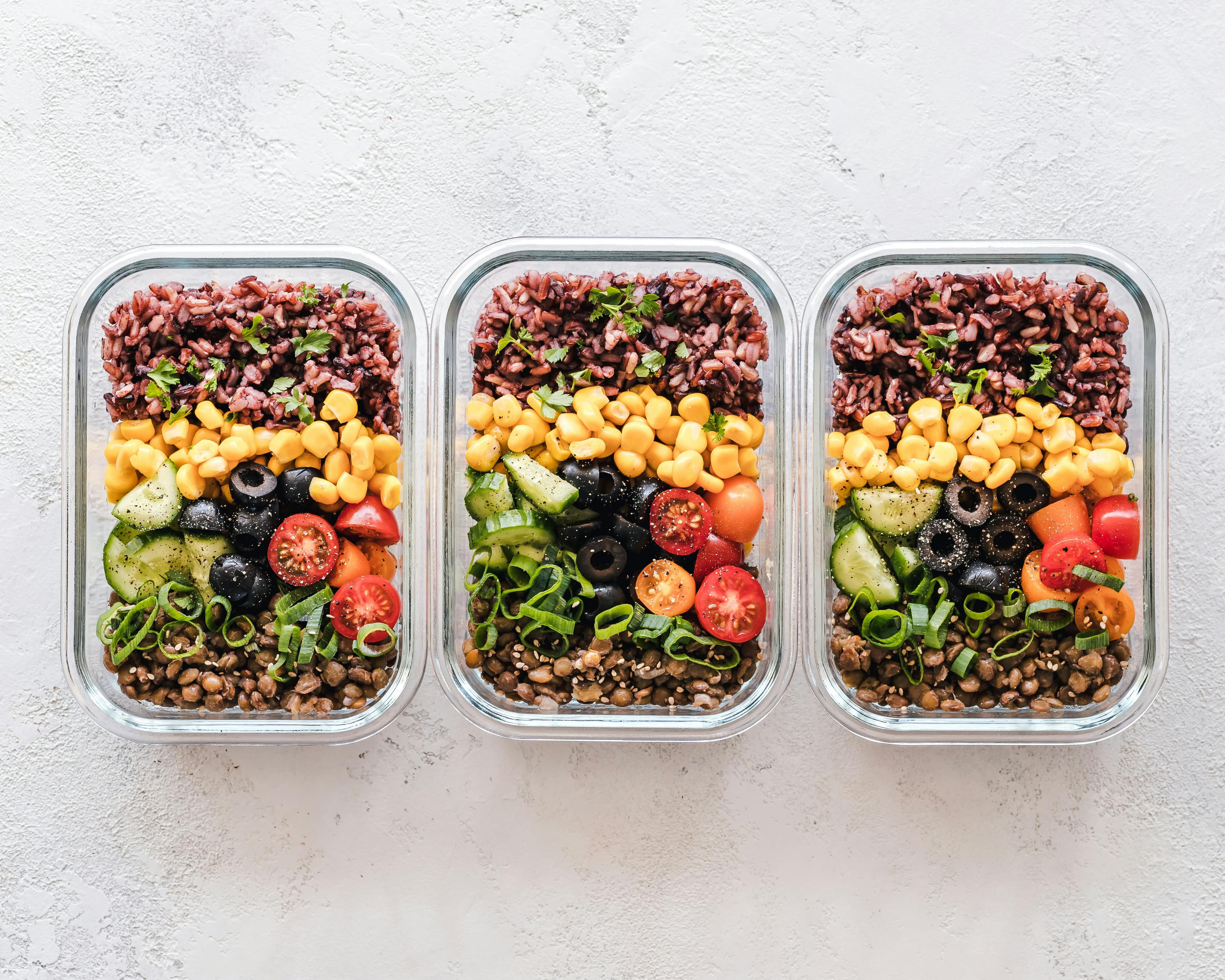
The biggest challenge with weight loss? **Hunger**. But what if you could eat large, satisfying portions while still losing weight? Enter **volume eating** — the strategy of choosing low-calorie foods that fill you up. These foods have high water content, lots of fiber, or plenty of protein, allowing you to eat more food for fewer calories. This comprehensive guide reveals 40+ filling, low-calorie foods organized by category, plus practical strategies to build satisfying meals that keep you full for hours without derailing your diet.
Key Takeaways
- ✓Volume eating focuses on foods with low energy density — fewer calories per gram of food
- ✓High-water foods (cucumbers, watermelon, broth-based soups) provide maximum volume for minimal calories
- ✓Protein and fiber are the most satiating nutrients — prioritize both at every meal
- ✓Fill half your plate with non-starchy vegetables (5-50 cal/cup) to maximize fullness
- ✓Combine volume foods strategically: protein + fiber + water = maximum satiety
What Are Low-Calorie Foods That Fill You Up?
Low-calorie, high-volume foods have low energy density — they contain fewer calories per gram of food. This means you can eat larger portions while consuming fewer total calories.
The Science of Satiety
Your stomach has stretch receptors that signal fullness based on volume, not calories. Eating 2 cups of vegetables (50 calories) triggers the same fullness signals as 1/4 cup of nuts (200 calories) — but with 75% fewer calories.
What Makes Foods Filling?
- High water content — Water adds volume without calories (cucumbers are 95% water)
- High fiber — Fiber slows digestion and keeps you full longer (beans, vegetables, whole grains)
- High protein — Most satiating macronutrient, keeps you full 2-3x longer than carbs
- Low fat — Fat is calorie-dense (9 cal/gram) so low-fat foods allow bigger portions
- Large physical volume — Takes up more space in your stomach
Energy Density Comparison
| Food Type | Energy Density | Example | Calories per Cup |
|---|---|---|---|
| Very Low | 0-0.6 cal/g | Non-starchy vegetables | 5-50 |
| Low | 0.6-1.5 cal/g | Fruits, lean proteins | 60-150 |
| Medium | 1.5-4 cal/g | Whole grains, lean meats | 150-400 |
| High | 4-9 cal/g | Nuts, oils, candy | 400-900 |
ℹ️ Volume eating advantage
Studies show people eat about the same weight of food daily (3-5 lbs), regardless of calories. By choosing low-energy-density foods, you can eat the same volume while consuming 30-50% fewer calories — leading to effortless weight loss.
15 Low-Calorie Fruits That Fill You Up
Fruits are nature's candy — sweet, satisfying, and packed with water and fiber. Here are the most filling options:
Best Low-Calorie Fruits
| Fruit | Serving | Calories | Why It Fills You Up |
|---|---|---|---|
| Watermelon | 2 cups diced | 80 | 92% water, high volume |
| Strawberries | 1 cup | 50 | High fiber (3g), low sugar |
| Grapefruit | 1/2 medium | 52 | High water, fiber, vitamin C |
| Oranges | 1 medium | 62 | Fiber (3g), takes time to eat |
| Apples | 1 medium | 95 | Fiber (4g), crunchy, satisfying |
| Blackberries | 1 cup | 62 | Highest fiber (8g) of any fruit |
| Raspberries | 1 cup | 64 | High fiber (8g), low sugar |
| Cantaloupe | 1 cup diced | 54 | 90% water, vitamin A |
| Peaches | 1 medium | 58 | High water, fiber, vitamin C |
| Pears | 1 medium | 101 | High fiber (6g), very filling |
| Blueberries | 1 cup | 84 | Antioxidants, moderate fiber |
| Papaya | 1 cup | 62 | High water, digestive enzymes |
| Kiwi | 2 medium | 84 | High fiber, vitamin C |
| Plums | 2 medium | 60 | Fiber, low glycemic index |
| Honeydew | 1 cup diced | 64 | 90% water, refreshing |
💡 Fruit timing tip
Eat whole fruits before meals to reduce overall calorie intake. Studies show eating an apple 15 minutes before a meal reduces total calories consumed by 15-20%. The fiber and water fill you up, so you eat less of the main meal.
20 Low-Calorie Vegetables (The Ultimate Volume Foods)
Vegetables are the kings of volume eating. Most contain 5-50 calories per cup, meaning you can eat massive portions guilt-free.
Non-Starchy Vegetables (Eat Unlimited)
| Vegetable | Calories per Cup | Key Benefits |
|---|---|---|
| Cucumbers | 16 | 95% water, crunchy, refreshing |
| Celery | 16 | Extremely low calorie, crunchy |
| Lettuce (romaine) | 8 | High volume, salad base |
| Spinach (raw) | 7 | Iron, folate, versatile |
| Zucchini | 20 | Can replace pasta, high volume |
| Tomatoes | 32 | Lycopene, versatile, flavorful |
| Bell peppers | 30 | Vitamin C, crunchy, colorful |
| Broccoli | 31 | Fiber (2g), protein (3g), filling |
| Cauliflower | 25 | Can replace rice, versatile |
| Mushrooms | 15 | Umami flavor, meaty texture |
| Asparagus | 27 | Fiber, vitamin K, satisfying |
| Green beans | 44 | Fiber (4g), crunchy |
| Brussels sprouts | 38 | Fiber (3g), protein (3g) |
| Cabbage | 22 | High volume, budget-friendly |
| Kale | 33 | Nutrient-dense, fiber |
| Carrots | 52 | Crunchy, sweet, beta-carotene |
| Radishes | 19 | Crunchy, peppery, low cal |
| Bok choy | 9 | Asian greens, calcium |
| Eggplant | 35 | Meaty texture, versatile |
| Spaghetti squash | 42 | Pasta alternative, filling |
How to Eat More Vegetables
- Fill half your plate — Make vegetables the star, not a side dish
- Start meals with salad — Eat a large salad before your main course
- Veggie-based soups — Broth-based vegetable soups are extremely filling
- Vegetable noodles — Zucchini noodles, spaghetti squash replace pasta
- Roast for flavor — Roasting brings out natural sweetness
- Season generously — Herbs, spices, garlic make veggies delicious
High-Protein, Low-Calorie Foods
Protein is the most satiating macronutrient. It keeps you full 2-3x longer than carbs or fats and has the highest thermic effect (burns 20-30% of calories during digestion).
Lean Proteins That Fill You Up
| Protein Source | Serving | Calories | Protein |
|---|---|---|---|
| Cod/tilapia | 4 oz | 110-120 | 24-26g |
| Shrimp | 4 oz | 120 | 23g |
| Chicken breast | 4 oz | 185 | 35g |
| Turkey breast | 4 oz | 120 | 26g |
| Egg whites | 4 whites | 68 | 14g |
| Greek yogurt (nonfat) | 1 cup | 130 | 23g |
| Cottage cheese (low-fat) | 1 cup | 160 | 28g |
| Tuna (water-packed) | 1 can | 120 | 26g |
Plant-Based Protein Options
| Food | Serving | Calories | Protein | Fiber |
|---|---|---|---|---|
| Lentils | 1 cup cooked | 230 | 18g | 16g |
| Black beans | 1 cup cooked | 227 | 15g | 15g |
| Chickpeas | 1 cup cooked | 269 | 15g | 12g |
| Edamame | 1 cup | 188 | 17g | 8g |
| Tofu | 4 oz | 94 | 10g | 2g |
💡 Protein at every meal
Include 25-35g protein at each meal to maximize satiety. This keeps you full for 3-4 hours and prevents snacking. Combine protein with fiber-rich vegetables for ultimate fullness.
Filling Whole Grains and Starches
While grains are more calorie-dense than vegetables, choosing high-fiber options provides sustained energy and fullness.
Best Whole Grains for Satiety
| Grain | Serving | Calories | Fiber | Why It Fills You Up |
|---|---|---|---|---|
| Oatmeal | 1 cup cooked | 166 | 4g | Soluble fiber, expands in stomach |
| Quinoa | 1 cup cooked | 222 | 5g | Complete protein (8g) |
| Brown rice | 1 cup cooked | 218 | 4g | Whole grain, satisfying |
| Air-popped popcorn | 3 cups | 93 | 4g | Huge volume, crunchy |
| Sweet potato | 1 medium | 115 | 4g | Fiber, naturally sweet |
| Whole wheat pasta | 1 cup cooked | 174 | 6g | Higher fiber than white |
Portion Control with Grains
Grains are nutritious but calorie-dense. Stick to these portions:
- Cooked grains: 1/2-3/4 cup (100-165 calories)
- Bread: 1-2 slices (80-160 calories)
- Pasta: 1 cup cooked (175-220 calories)
- Popcorn: 3 cups (90-100 calories) — best volume option!
Volume Eating Strategies
Strategy 1: The Half-Plate Rule
Fill half your plate with non-starchy vegetables (50-100 calories), 1/4 with lean protein (150-200 calories), 1/4 with whole grains (100-150 calories). Total: 300-450 calories for a huge, satisfying meal.
Strategy 2: Start with Soup or Salad
Eating a broth-based soup or large salad before your main meal reduces total calorie intake by 20%. The volume fills you up, so you eat less of the higher-calorie main course.
Strategy 3: Vegetable Substitutions
- Zucchini noodles instead of pasta (save 150 cal/cup)
- Cauliflower rice instead of white rice (save 175 cal/cup)
- Spaghetti squash instead of pasta (save 130 cal/cup)
- Lettuce wraps instead of tortillas (save 100-150 cal)
- Portobello mushroom caps instead of burger buns (save 120 cal)
Strategy 4: Add Volume to Existing Meals
- Bulk up pasta with zucchini noodles (50/50 mix)
- Add vegetables to scrambled eggs (double the volume)
- Mix cauliflower rice with regular rice
- Add spinach, mushrooms, peppers to everything
- Use broth-based soups as meal bases
Strategy 5: Drink Water-Rich Foods
Broth-based soups, smoothies with vegetables, and water-rich fruits provide hydration and fullness. A bowl of vegetable soup (100-150 cal) is more filling than a protein bar (200-250 cal).
⚠️ Don't eliminate all calorie-dense foods
Healthy fats (nuts, avocados, olive oil) are calorie-dense but essential for nutrition and satiety. Include small amounts (1-2 tbsp) for flavor and satisfaction. The goal is balance, not elimination.
Sample High-Volume, Low-Calorie Meals
Breakfast: Veggie-Loaded Omelet (320 calories)
- 3 egg whites + 1 whole egg (120 cal, 16g protein)
- 2 cups spinach, mushrooms, peppers (40 cal)
- 1 oz low-fat cheese (50 cal)
- 1 cup berries (60 cal)
- 1 slice whole wheat toast (80 cal)
Lunch: Massive Chicken Salad (380 calories)
- 4 cups mixed greens (40 cal)
- 5 oz grilled chicken (230 cal)
- 1 cup cherry tomatoes, cucumbers, peppers (30 cal)
- 2 tbsp balsamic vinaigrette (60 cal)
- 1 medium apple (95 cal)
Dinner: Stir-Fry Power Bowl (425 calories)
- 5 oz chicken or shrimp (120-230 cal)
- 3 cups stir-fry vegetables (90 cal)
- 1/2 cup brown rice (110 cal)
- 1 tbsp teriyaki sauce (15 cal)
- Garlic, ginger, spices (5 cal)
Snack: Veggie Platter (95 calories)
- 2 cups raw vegetables (40 cal)
- 1/4 cup hummus (100 cal)
- Total: Huge portion for under 100 calories!
Foods to Limit (High Calorie, Low Volume)
These foods pack lots of calories into small portions. They're not "bad," but they won't fill you up:
Calorie-Dense Foods (Eat in Moderation)
| Food | Small Portion | Calories | Why It Doesn't Fill You Up |
|---|---|---|---|
| Nuts | 1/4 cup | 200 | Very calorie-dense, easy to overeat |
| Nut butter | 2 tbsp | 190 | Small volume, high calories |
| Olive oil | 2 tbsp | 240 | Pure fat, no volume |
| Cheese | 2 oz | 220 | High fat, small portion |
| Dried fruit | 1/4 cup | 120 | Concentrated sugar, no water |
| Granola | 1/2 cup | 300 | Calorie-dense, misleading portions |
| Chocolate | 1 oz | 150 | High sugar and fat |
| Chips | 1 oz | 150 | High fat, easy to overeat |
Note: These foods aren't forbidden! Include small amounts for flavor and satisfaction. Just don't expect them to fill you up.
Put This Into Practice — Free
Track your calories, macros, and nutrition with 2.3M+ verified foods. No account required, no subscription, no paywall — ever.
Frequently Asked Questions
What are the most filling low-calorie foods?
The most filling low-calorie foods are: 1) Non-starchy vegetables (broccoli, spinach, cucumbers) — 5-50 cal/cup, 2) Lean proteins (chicken breast, fish, Greek yogurt) — high satiety, 3) High-fiber fruits (apples, berries, pears) — 50-100 cal each, 4) Legumes (beans, lentils) — protein + fiber combo, and 5) Air-popped popcorn — huge volume for 93 cal per 3 cups.
How can I feel full on 1200-1500 calories a day?
To feel full on fewer calories: 1) Fill half your plate with non-starchy vegetables, 2) Eat 25-35g protein at each meal, 3) Choose high-fiber foods (vegetables, fruits, whole grains), 4) Drink water before meals, 5) Start meals with soup or salad, 6) Use vegetable substitutions (zucchini noodles, cauliflower rice), and 7) Eat slowly to allow fullness signals to register.
What foods keep you full the longest?
Foods that keep you full longest combine protein + fiber: 1) Oatmeal with protein powder, 2) Greek yogurt with berries, 3) Chicken with vegetables and quinoa, 4) Eggs with whole wheat toast and avocado, 5) Lentil soup, 6) Salmon with sweet potato and broccoli. Protein keeps you full 2-3x longer than carbs, while fiber slows digestion.
Can you lose weight by eating high-volume foods?
Yes! Volume eating helps weight loss by allowing you to eat large, satisfying portions while consuming fewer calories. Studies show people eat about the same weight of food daily (3-5 lbs). By choosing low-energy-density foods, you can eat the same volume while consuming 30-50% fewer calories, leading to effortless weight loss without hunger.
What vegetables are most filling?
Most filling vegetables (high fiber + volume): 1) Broccoli — 31 cal/cup, 2g fiber, 2) Brussels sprouts — 38 cal/cup, 3g fiber, 3) Cauliflower — 25 cal/cup, versatile, 4) Green beans — 44 cal/cup, 4g fiber, 5) Spinach — 7 cal/cup, high volume, 6) Carrots — 52 cal/cup, crunchy, and 7) Bell peppers — 30 cal/cup, vitamin C. All are extremely low calorie and filling.
Is popcorn good for weight loss?
Yes! Air-popped popcorn is one of the best volume foods for weight loss. 3 cups contains only 93 calories and 4g fiber. It's a whole grain that provides huge volume, satisfying crunch, and keeps you full. Avoid butter and oil — stick to air-popped with seasonings for best results.
What fruits are lowest in calories but most filling?
Lowest-calorie, most filling fruits: 1) Watermelon — 80 cal per 2 cups (92% water), 2) Strawberries — 50 cal/cup, 3g fiber, 3) Grapefruit — 52 cal per half, 4) Raspberries/blackberries — 62-64 cal/cup, 8g fiber (highest), 5) Oranges — 62 cal, takes time to eat, and 6) Apples — 95 cal, 4g fiber. All combine water, fiber, and volume for maximum satiety.